
Have you ever felt overwhelmed by the sheer number of options when it comes to workout gear? Starting a new fitness journey is exciting, but choosing the right apparel and equipment can be a bit daunting. Fear not! This guide will help you navigate the essential items and make informed decisions that best suit your needs as a beginner.
Understanding the Importance of Proper Workout Gear
When you’re just starting out, it might seem like any old T-shirt and a pair of shorts will do. However, proper workout gear can make a significant difference in your performance, comfort, and motivation. Wearing the right items can help prevent injuries, improve your efficiency, and boost your confidence in the gym or on the running track.
Importance of Comfort and Fit
Imagine trying to run in shoes that are a size too small or lifting weights in a loose-fitting shirt that keeps getting in the way. Comfort and fit are crucial when selecting workout gear. They affect your range of motion, the way your body feels during the activity, and how well your gear performs. Opt for clothes that fit well without being too tight or too loose.
Enhancing Performance and Safety
The right gear can improve your performance by providing the necessary support for your activities. From moisture-wicking fabrics to shoes with proper arch support, every piece of equipment or clothing has a role to play. Additionally, quality workout gear helps prevent injuries by offering the needed protection and support to your muscles and joints.
Types of Workout Gear You Need
To get started, let’s break down the essential workout gear into a few primary categories: clothing, footwear, and accessories. Each category has specific features you should look out for to ensure you are making the right choice.
Clothing
The clothes you wear during your workouts should be functional, comfortable, and appropriate for the type of exercise you’re doing. Let’s go over some of the key pieces you might need.
Moisture-Wicking Fabrics
Sweat is an unavoidable part of working out, but moisture-wicking fabrics can help keep you comfortable by drawing sweat away from your skin. Look for clothing made from polyester or other synthetic blends designed for athletic use.
Layering for Weather Conditions
Depending on where you live or your workout environment, you may need to layer your clothes. In colder climates, thermal layers and a good-quality jacket can make outdoor workouts more bearable. For hotter conditions, light and breathable fabrics are a must.
Here’s a simple table to help you with layering considerations:
| Weather Condition | Recommended Layers |
|---|---|
| Cold | Base layer (moisture-wicking), Mid layer (insulating), Outer layer (windproof/waterproof) |
| Moderate | Base layer (moisture-wicking), Outer layer (light jacket or hoodie) |
| Hot | Lightweight top (moisture-wicking), Shorts |
Footwear
Footwear is arguably the most critical part of your workout gear. The wrong shoes can cause pain and injury, so it’s essential to choose the right pair for your activity.
Running Shoes
For those who primarily plan to run, invest in a good pair of running shoes. Key features include cushioning, arch support, and proper fit. Many sporting goods stores offer gait analysis to help you find the best shoe for your stride.
Cross-Trainers
If you plan on a variety of activities, from aerobics to strength training, a versatile pair of cross-trainers is a smart choice. These shoes offer stability and flexibility, making them suitable for different kinds of workouts.
Specialty Shoes
Certain activities like weightlifting, cycling, or trail running require specialized footwear. If you know you’ll be engaging in one of these activities frequently, it’s worth investing in shoes designed specifically for that purpose.
Accessories
Beyond clothing and footwear, several accessories can enhance your workout experience. These are often overlooked but can make a significant impact.
Water Bottle
Staying hydrated is crucial. Choose a reusable water bottle that’s easy to carry and fits in your gym bag. Some advanced options come with built-in filters or infusers to keep your water fresh and tasty.
Fitness Tracker
A fitness tracker can provide valuable insights into your activity levels, heart rate, and even sleep patterns. While not essential, it can be a great motivational tool.
Gym Bag
A good gym bag should have enough compartments to keep your gear organized. Look for one with separate sections for shoes, clothes, and smaller items like keys and headphones.

How to Shop for Workout Gear
Knowing what to buy is half the battle. Next, you need to know how and where to shop. From setting a budget to finding the best deals, this section will guide you through the shopping process.
Setting a Budget
High-quality workout gear can be an investment, but it doesn’t have to break the bank. Determine how much you’re willing to spend on each category and prioritize items that need to be high-quality, like shoes, over others where you can compromise a bit, like basic T-shirts.
Where to Shop
It’s easy to get lost in the myriad of options available, both online and in physical stores. Here’s a quick breakdown to help you choose the best places to shop:
Online Retailers
Shopping online offers a vast selection and often better deals. Websites like Amazon, Nike, and Under Armour have a wide range of products with customer reviews that can help you make an informed decision.
Physical Stores
While online shopping is convenient, trying on workout gear in person can give you a better idea of fit and comfort. Sporting goods stores like Dick’s Sporting Goods or specialized stores like Lululemon allow you to feel the material and try on items before purchasing.
Reading Reviews and Doing Research
Before making a purchase, read customer reviews and do some research. Look for feedback on product quality, durability, and how true to size the items run. Websites like Runner’s World and fitness blogs often have gear reviews and recommendations.
Tips for Finding the Perfect Fit
Even the best quality workout gear won’t serve you well if it doesn’t fit correctly. Follow these tips to ensure you find the perfect fit for all your gear.
Clothing Fit
When trying on clothing, perform a few basic moves like squats or stretches to gauge comfort and flexibility. Ensure there’s enough room for your range of motion but not so much that things are flapping around or falling down.
Shoe Fit
Your workout shoes should have a snug fit without being too tight. Your toes should have enough room to wiggle, but your heel shouldn’t slip when you walk or run. Wear the same type of socks during your fitting that you will use while working out.
Accessory Fit
Adjustable features are key when it comes to accessories. For instance, a fitness tracker should sit comfortably on your wrist without being too tight or too loose. Backpacks and gym bags should have adjustable straps for optimal comfort.
Caring for Your Workout Gear
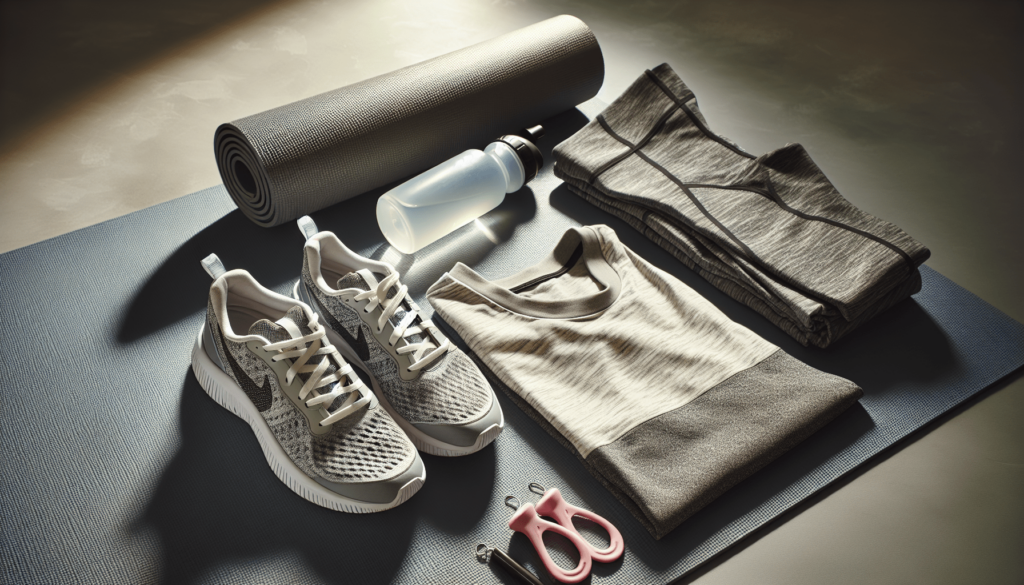
Taking care of your workout gear can extend its life and maintain its performance. Below are some tips for caring for different types of gear.
Washing and Drying
Proper washing and drying techniques can prevent wear and tear. For most athletic clothes, use cold water and a gentle cycle. Avoid fabric softeners as they can affect moisture-wicking properties.
Storing Your Gear
Keep your gear in a cool, dry place to prevent mold and mildew. Shoes should be stored in a well-ventilated area. Avoid leaving your gear in places with extreme temperatures, like a hot car.
Common Mistakes to Avoid
Even with the best intentions, it’s easy to make mistakes when choosing workout gear. Here are some common pitfalls and how to avoid them.
Choosing Style Over Functionality
While it’s tempting to pick the most stylish option, prioritize functionality and comfort over looks. Properly fitting, performance-enhancing gear should always come first.
Neglecting Shoe Quality
One of the biggest mistakes is skimping on workout shoes. A good pair of shoes is crucial for preventing injury and promoting performance, so never compromise on this.
Overlooking the Fabric
Not all fabrics are created equal. Cotton, for example, tends to retain moisture, making it less ideal for intense workouts. Look for moisture-wicking, breathable materials instead.

Final Thoughts
Choosing the right workout gear as a beginner doesn’t have to be overwhelming. By focusing on comfort, performance, and proper fit, you’ll set yourself up for success in your fitness journey. Remember, the right gear can make all the difference in how you feel and how well you perform during your workouts. Now, you’re equipped with the knowledge to make informed decisions and start strong on your fitness journey.
So, get out there and make your new workout routine as enjoyable and effective as possible with the right gear!