
Have you been thinking about starting a fitness journey but don’t know where to begin? Designing a beginner fitness plan might seem overwhelming, but with the right guidance, you can create a personalized plan that fits your lifestyle and goals. This comprehensive guide will walk you through everything you need to know about creating a beginner fitness plan that actually works for you.
Assess Your Current Fitness Level
It’s essential to understand where you’re starting from before you set any goals. By assessing your current fitness level, you can create a plan that’s suitable for your needs and capabilities.
Self-Assessment
A self-assessment can help you gauge your initial fitness level. Consider factors such as:
- Physical Activity: How often do you engage in physical activity?
- Endurance: How long can you walk or run without feeling overly tired?
- Strength: How many push-ups or sit-ups can you do?
- Flexibility: Can you touch your toes without bending your knees?
Professional Help
If you’re unsure how to assess your fitness level, seeking professional help is a good option. A fitness trainer can evaluate your strength, endurance, flexibility, and any health constraints you might have.
Set Realistic Goals
Establish clear, achievable goals to keep you motivated. Your goals will serve as a roadmap for your fitness journey.
Short-Term Goals
Short-term goals are milestones you hope to achieve in a shorter time frame, generally within weeks or months. Examples include:
- Walk for 30 minutes a day.
- Do 15 push-ups without stopping.
- Lose 5 pounds by the end of the month.
Long-Term Goals
Long-term goals take more time to achieve but offer a bigger payoff. Examples include:
- Run a 10k race.
- Lose 30 pounds in a year.
- Increase the amount of weight you can lift by 50%.
S.M.A.R.T. Goals
Using the S.M.A.R.T method can help make your goals more concrete. This stands for:
- Specific: Clearly define what you want to achieve.
- Measurable: Ensure you can track your progress.
- Achievable: Set realistic goals that are within your reach.
- Relevant: Align your goals with your broader objectives.
- Time-bound: Set a deadline for achieving your goals.

Choose the Right Exercises
Picking the right exercises is crucial. Choosing activities you enjoy will make it easier to stick to your plan.
Cardiovascular Exercises
Cardio exercises help improve your heart health and endurance. Some options include:
| Activity | Description |
|---|---|
| Walking | Low-impact and easy to start |
| Running | High-impact and effective for weight loss |
| Cycling | Great for both indoor and outdoor workouts |
| Swimming | Low-impact and full-body workout |
Strength Training Exercises
Strength training builds muscle and bone density. Some options include:
| Exercise | Equipment Needed | Target Areas |
|---|---|---|
| Push-ups | None | Chest, triceps, shoulders |
| Squats | None or weights | Legs, glutes |
| Dumbbell Rows | Dumbbells | Back, biceps |
| Planks | None | Core, shoulders |
Flexibility and Balance Exercises
Improving flexibility and balance can help prevent injuries and enhance performance in other exercises. Some options include:
| Exercise | Description |
|---|---|
| Yoga | Improves flexibility and reduces stress |
| Pilates | Strengthens core and enhances balance |
| Stretching | Simple and effective for increasing flexibility |
Structure Your Workout Plan
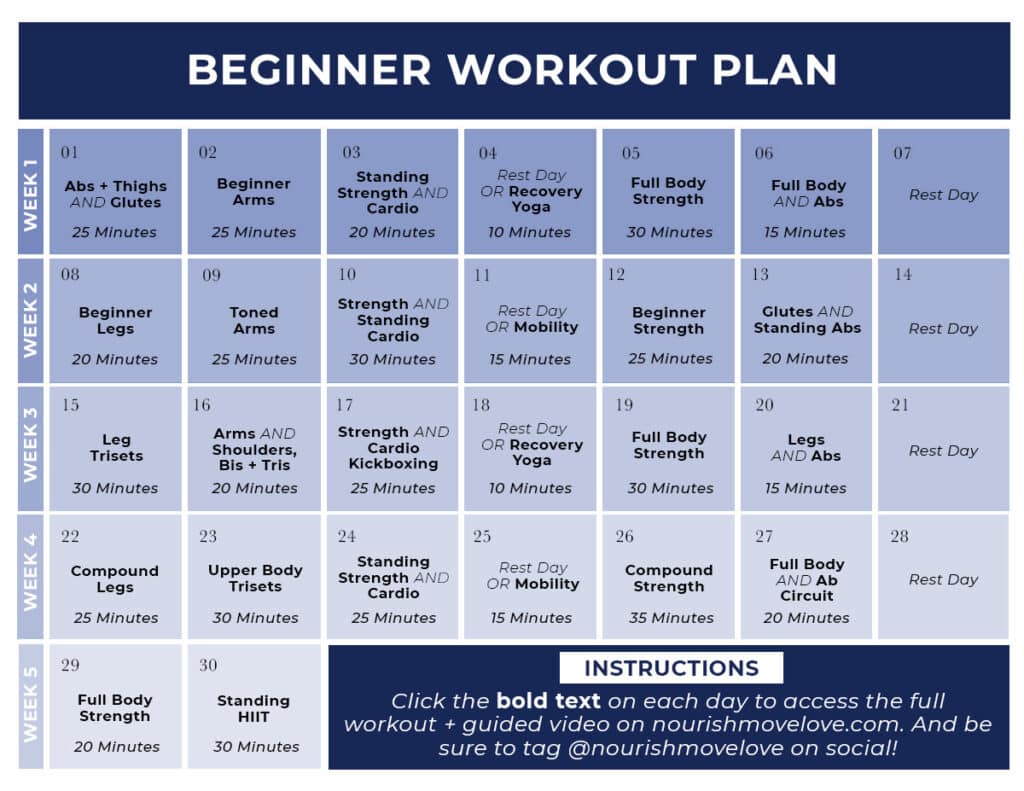
Creating a well-rounded fitness plan involves structuring your workouts in a way that balances different types of exercises.
Weekly Routine
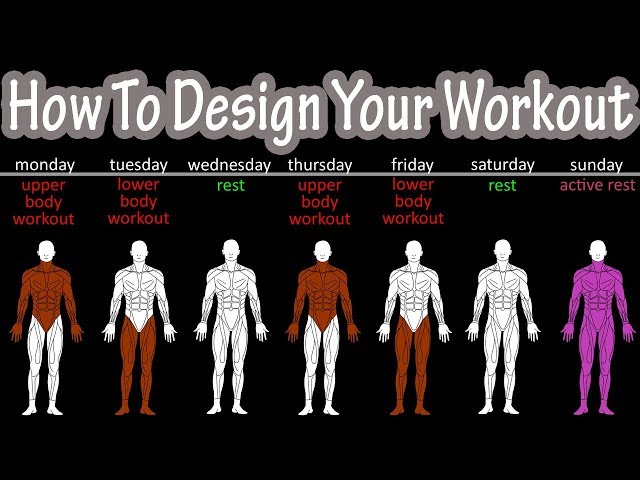
Here’s an example of a balanced weekly workout routine:
| Day | Type of Exercise | Example Activities |
|---|---|---|
| Monday | Cardio | 30-minute walk or run |
| Tuesday | Strength Training | Full-body workout |
| Wednesday | Flexibility/Balance | Yoga or stretching |
| Thursday | Cardio | Cycling or swimming |
| Friday | Strength Training | Upper body workout |
| Saturday | Flexibility/Balance | Pilates |
| Sunday | Rest | Relax and recover |
Duration and Intensity
Start with shorter, less intense workouts and gradually increase the duration and intensity as your fitness level improves. For beginners, aim for:
- Cardio: 20-30 minutes per session
- Strength Training: 2-3 sets of 8-12 repetitions
- Flexibility/Balance: 15-30 minutes per session

Track Your Progress
Monitoring your progress keeps you accountable and motivates you to stay on track.
Fitness Journal
Keeping a fitness journal can help you log your activities, track your progress, and identify areas for improvement. Include details such as:
- Date and type of exercise
- Duration and intensity
- How you felt during and after the workout
- Any challenges or triumphs
Apps and Gadgets
There are numerous apps and fitness gadgets that can help you track your progress. Some popular options include:
- Fitbit: Tracks steps, heart rate, and sleep patterns
- MyFitnessPal: Monitors nutrition and exercise
- Nike Training Club: Offers guided workouts and tracks performance
Nutrition and Hydration
Balanced Diet
A balanced diet is crucial for optimal performance and recovery. Focus on:
- Proteins: Essential for muscle repair and growth
- Carbohydrates: Provide energy for your workouts
- Fats: Necessary for hormone production and brain function
- Vitamins and Minerals: Aid in various bodily functions
Stay Hydrated
Hydration is crucial for maintaining your energy levels and overall health. Aim to drink at least 8 glasses of water a day, or more if you’re engaging in intense physical activity.
Rest and Recovery
Importance of Rest
Your muscles need time to repair and grow, making rest days just as important as workout days. Avoid overtraining by incorporating at least one or two rest days into your weekly routine.
Sleep
Quality sleep is crucial for overall health and fitness. Aim for 7-9 hours of sleep per night to ensure your body has the time it needs to recover.
Stay Motivated
Find a Workout Buddy
Having a workout buddy can make exercising more enjoyable and keep you accountable.
Set Milestones
Celebrate your achievements by setting smaller milestones that lead up to your larger goals. Rewarding yourself for these mini-achievements can keep you motivated.
Mix It Up
Avoid workout monotony by changing up your routine. Try new exercises, switch up the order of your workouts, or take a new class.

Seek Professional Guidance
Personal Trainer
If you’re unsure about how to start or progress, hiring a personal trainer can provide the guidance and motivation you need.
Nutritionist
A nutritionist can help you create a diet plan that aligns with your fitness goals, ensuring you get the nutrients you need to perform and recover.
Conclusion
Creating a beginner fitness plan doesn’t have to be daunting. By assessing your current fitness level, setting realistic goals, choosing the right exercises, structuring your workouts, tracking your progress, and focusing on nutrition, hydration, rest, and recovery, you can develop a plan that works for you. Stay motivated by finding a workout buddy, setting milestones, mixing up your routine, and seeking professional guidance when needed. Remember, consistency is key, and every step you take brings you closer to your goals.