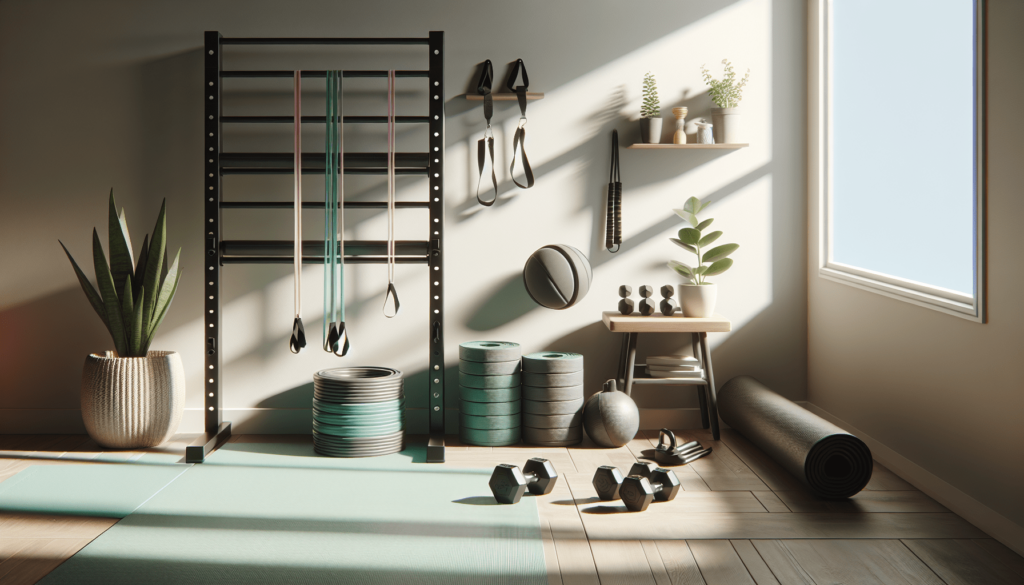
Have you ever thought about setting up a home gym but worried about the costs and space limitations? The idea of having a personal workout sanctuary can seem daunting, especially when you start adding up the potential expenses for equipment and the space needed. However, creating a budget-friendly home gym with minimal equipment is not only feasible but also incredibly rewarding.
Why Choose a Home Gym?
Before diving into the specifics, let’s discuss why you might prefer a home gym over a commercial gym. The first major advantage is convenience. No more commuting, waiting for machines to be free, or dealing with overcrowded spaces. You can work out whenever you want, in the comfort of your own home.
Additionally, a home gym can be tailored to your specific needs and goals. Whether it’s weight loss, strength training, or flexibility improvement, you have the freedom to focus on what matters to you. Plus, you can play your own music, set your own rules, and create an environment that’s perfectly suited to your personal preferences.
Planning Your Home Gym
Assess Your Goals
The first step in creating a budget-friendly home gym is understanding what you want to achieve. Your goals will dictate what types of equipment you’ll need. Here are some common fitness goals and corresponding basic equipment:
| Fitness Goal | Suggested Equipment |
|---|---|
| Weight Loss | Jump rope, resistance bands, adjustable dumbbells |
| Strength Training | Kettlebells, power rack, adjustable bench |
| Flexibility & Mobility | Yoga mat, foam roller, stretch bands |
| Cardiovascular Health | Jump rope, stationary bike, rowing machine |
Space Considerations
Next, evaluate the space you have available. You don’t need a huge area to create an effective home gym. A garage, basement, or even a corner of your living room can suffice with some strategic planning.
Here are some space-saving tips:
- Multi-functional Equipment: Opt for equipment that serves multiple purposes, like adjustable dumbbells, collapsible benches, or resistance bands.
- Vertical Storage: Use wall-mounted racks and hooks to store weights, bands, and mats.
- Foldable Items: Select items that can be folded and stored away like collapsible benches or rolling mats.
Budget Planning
Determine how much you’re willing or able to spend. The good news is, you don’t need to break the bank to create a functional gym. Prioritize essential equipment and consider purchasing second-hand items to save more.

Essential Equipment for a Budget-friendly Home Gym
Bodyweight Training Equipment
Bodyweight exercises are incredibly effective and require minimal equipment. Here are a few you might consider:
- Pull-up Bar: Ideal for upper body strength.
- Parallel Bars/Dip Bars: Great for tricep dips and inverted rows.
- Jump Rope: Perfect for cardiovascular workouts and very inexpensive.
Resistance Bands
Resistance bands are versatile, affordable, and take up almost no space. They can be used for strength training, flexibility, and even injury rehabilitation.
| Type of Band | Use Case |
|---|---|
| Loop Bands | Ideal for lower-body exercises like squats and glute bridges. |
| Tube Bands | Great for upper-body exercises like chest presses and shoulder raises. |
| Therapy Bands | Best for flexibility and rehabilitation exercises. |
Free Weights
Investing in a few free weights can significantly enhance your home gym. Consider starting with the following:
- Adjustable Dumbbells: They save space and offer varied resistance.
- Kettlebells: Excellent for dynamic workouts focusing on strength and endurance.
- Weight Plates: Opt for standard or Olympic plates based on your needs and budget.
Cardio Equipment
You don’t need an array of expensive machines for effective cardio exercises. Some affordable options include:
- Jump Rope: A classic choice that’s effective and inexpensive.
- Stationary Bike: Offers a low-impact cardiovascular workout.
- Rowing Machine: Balances cardio and strength training, though it may be a bit pricier than other items.
Flexibility and Recovery
Don’t forget tools for flexibility and recovery. Stretching is essential, especially after intense workouts.
- Yoga Mat: Useful for stretching, yoga, and floor exercises.
- Foam Roller: Aids in muscle recovery and can relieve tension.
- Stretch Bands: Ideal for aiding stretching exercises and improving flexibility.
Setting Up Your Home Gym
Optimize the Layout
Now that you have an idea of the essential equipment, it’s time to think about the layout. Here are some ideas to consider:
- Zones: Create different zones if space permits. For example, a corner for weight training, an area for cardio, and another for stretching.
- Storage: Use storage bins, racks, and hooks to keep things organized and avoid clutter.
- Safety First: Ensure there is ample space around each piece of equipment to move safely and prevent injuries.
Flooring Considerations
The right flooring can make a big difference in your home gym. Look for options that provide cushioning and protect your home’s original floor.
- Rubber Mats: Durable and easy to clean.
- Foam Tiles: Affordable and can be customized to fit any space.
- Carpet Tiles: Offer a soft surface and are relatively inexpensive.
Lighting and Ventilation
Good lighting and ventilation can make your workout space more inviting and efficient.
- Natural Light: If possible, choose a space with windows.
- Supplementary Lighting: Use bright, overhead lights if natural light is insufficient.
- Ventilation: Ensure the space is well-ventilated, possibly by using fans or air purifiers to keep the air circulating.
Budgeting Tips
Buying Second-hand Equipment
There’s no need to buy everything brand new. You can find excellent deals on slightly used equipment. Check out local listings on platforms like Craigslist, Facebook Marketplace, or specific fitness equipment reselling websites.
DIY Equipment
For those who are handy, you can even create some gym equipment yourself. For instance:
- Sandbags: Use old duffle bags and fill them with sand to create various weights.
- Parallettes: Construct using PVC pipes for bodyweight exercises.
- Weight Plates: Use concrete molds or even large bottles filled with water or sand.
Online Deals and Sales
Keep an eye out for online retailers that offer significant discounts. Websites like Amazon, eBay, and other sporting goods stores often have sales, especially around holidays or end-of-season stock clearances.
Subscriptions and Apps
Rather than paying for an expensive gym membership or personal trainer, consider subscribing to fitness apps or online programs. Many of these offer personalized plans, video instructions, and track your progress for a fraction of the cost. Some popular options include:
| App/Service | Features | Cost |
|---|---|---|
| Fitbit Premium | Personalized plans, guided programs, progress tracking | $9.99/month |
| Nike Training Club | Workouts for all levels, no-cost basic plan available | Free (Basic) |
| Peloton Digital | Live and on-demand classes, includes cardio, strength, yoga | $12.99/month |
Sample Workout Routines Using Minimal Equipment
Full-Body Workout with Resistance Bands
- Squat to Press: 3 sets of 15 reps
- Bent-over Row: 3 sets of 12 reps
- Resistance Band Push-up: 3 sets of 10 reps
- Glute Bridge: 3 sets of 20 reps
- Bicep Curl: 3 sets of 15 reps
Cardiovascular Routine
- Jump Rope: 5 minutes warm-up
- Stationary Bike Intervals: 20 minutes (30 seconds sprint, 1-minute rest)
- High Knees: 3 sets of 1 minute
- Burpees: 3 sets of 15 reps
Flexibility and Mobility Routine
- Cat-Cow Stretch: 2 minutes
- Downward Dog: 3 sets of 30 seconds
- Foam Roller Back Stretch: 5 minutes
- Hip Flexor Stretch: 3 sets of 1 minute each side
- Hamstring Stretch: 3 sets of 1 minute each side

Frequently Asked Questions (FAQs)
Can I achieve my fitness goals with a home gym?
Absolutely! With the right planning and equipment, you can set up a home gym that meets your needs. The convenience and ability to personalize your workout space can actually help you stay more motivated and consistent.
How much should I budget for a home gym?
It depends on your needs and goals, but a basic home gym with essential equipment can cost anywhere from $100 to $500. Start with the basics and add more equipment as needed.
Where can I buy affordable equipment?
Consider online marketplaces, sports stores during sales, second-hand shops, and local classifieds. Joining social media groups focused on fitness equipment buys/sells can also be beneficial.
How do I stay motivated to work out at home?
Set specific goals, create a workout schedule, and track your progress. Having a dedicated space that’s inviting can also help. Additionally, consider virtual workout classes or finding an accountability partner.
Conclusion
Creating a budget-friendly home gym with minimal equipment is entirely achievable. With some thoughtful planning and smart purchasing decisions, you can design a workout space that fits your needs and your budget. The key is to prioritize your goals, make use of the space you have, and be resourceful when it comes to sourcing equipment. Before you know it, you’ll have a personalized gym right at home, perfect for staying fit and healthy without the hefty price tag.