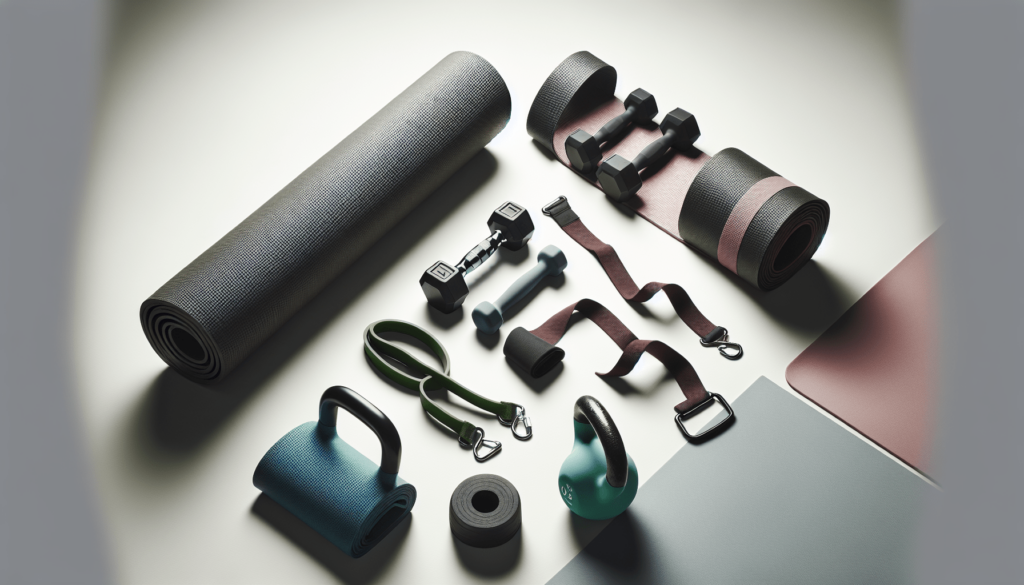
Have you ever wondered how to create a workout plan tailored just for you using the equipment you have at home? Personalizing your exercise routine can be a game-changer, improving not just how effectively you work out but also how much you enjoy it. Rather than following generic workout plans, you can make the most out of your available resources and reach your fitness goals more efficiently.
Creating a personalized workout plan might sound intimidating, but it’s simpler than you might think. It’s all about understanding your goals, knowing your equipment, and putting together a plan that fits your lifestyle. Let’s break it down step by step.
Understanding Your Fitness Goals
Before you start planning your workouts, it’s crucial to identify what you want to achieve. Fitness goals generally fall into a few categories such as losing weight, building muscle, improving endurance, or enhancing flexibility. Understanding your goals will help you choose the right types of exercises.
Types of Fitness Goals
- Weight Loss: Focus on cardio and high-intensity interval training (HIIT).
- Muscle Building: Prioritize strength training exercises using weights or resistance bands.
- Endurance Improvement: Incorporate long-distance running, cycling, or swimming.
- Flexibility Enhancement: Include stretching routines or yoga sessions.
Setting SMART Goals
To make your goals effective, use the SMART criteria: Specific, Measurable, Achievable, Relevant, and Time-bound. For example, instead of saying, “I want to lose weight,” you could set a goal like, “I want to lose 10 pounds in 3 months by doing 30 minutes of cardio 5 times a week.”
Assessing Your Available Equipment
Knowing what equipment you have will guide the type of exercises you can include in your workout plan. Whether you have a fully equipped home gym or just a couple of dumbbells, there are always ways to create effective workouts.
Common Home Gym Equipment
Here’s a list of commonly available home gym equipment and the exercises they are best suited for:
| Equipment | Best Suited For |
|---|---|
| Dumbbells | Strength Training, Muscle Building |
| Resistance Bands | Strength Training, Flexibility |
| Treadmill | Cardiovascular Endurance |
| Yoga Mat | Flexibility, Core Exercises, Yoga |
| Jump Rope | Cardiovascular Endurance, HIIT |
| Kettlebells | Strength Training, Functional Fitness |
| Stability Ball | Core Strength, Balance Training |
Getting Creative with Limited Equipment
If you have limited equipment, don’t worry! You can use household items as makeshift workout tools. For example:
- Water Bottles: Use as light dumbbells.
- Chairs: Great for tricep dips and step-ups.
- Towels: Perfect for slider exercises.

Designing Your Workout Plan
Now that you have identified your goals and assessed your equipment, it’s time to design your workout plan. This involves choosing the right types of exercises, determining the frequency and duration of your workouts, and deciding on the workout structure.
Choosing Exercises
Select exercises that target your fitness goals and use your available equipment efficiently. Here are a few examples for each goal:
-
Weight Loss (Cardio + HIIT)
- Treadmill runs
- Jump rope intervals
- Bodyweight circuits (e.g., burpees, jumping jacks)
-
Muscle Building (Strength Training)
- Dumbbell squats
- Resistance band bicep curls
- Kettlebell swings
-
Endurance Improvement
- Long-distance treadmill running
- Cycling sessions
- Swimming (if pool access is available)
-
Flexibility Enhancement
- Yoga routines
- Resistance band stretches
- Pilates exercises
Determining Frequency and Duration
Set a schedule that fits into your weekly routine. Here’s a general guideline:
| Goal | Frequency | Duration per Session |
|---|---|---|
| Weight Loss | 4-6 times per week | 30-60 minutes |
| Muscle Building | 3-4 times per week | 45-60 minutes |
| Endurance | 3-5 times per week | 45-90 minutes |
| Flexibility | Daily or 3-4 times/wk | 20-30 minutes |
Structuring Your Workout
A well-structured workout includes a warm-up, the main exercise routine, and a cool-down. Here’s a basic structure you can follow:
-
Warm-Up (5-10 minutes):
- Light cardio (e.g., jogging in place, jumping jacks)
- Dynamic stretching (e.g., leg swings, arm circles)
-
Main Exercise Routine:
- Based on your goal-specific exercises
-
Cool-Down (5-10 minutes):
- Light cardio to lower heart rate
- Static stretching to improve flexibility
Tracking Progress and Adjustments
Tracking your progress is essential to see improvements and make necessary adjustments. Keep a workout journal or use an app to log your sessions, noting what exercises you did, the weights used, and how you felt during the workout.
Monitoring Progress
- Regular Assessments: Schedule regular check-ins to assess your progress. This could be weekly weigh-ins, monthly measurements, or timed fitness tests.
- Body Metrics: Track metrics like weight, body measurements, and body fat percentage.
- Performance Indicators: Notice improvements in strength, endurance, or flexibility.
Making Adjustments
Your body will adapt to your current routine over time, requiring you to adjust it to continue making progress. Here are some ways to modify your plan:
- Increase Intensity: Add more weight, increase resistance, or enhance the workout difficulty.
- Change Exercises: Rotate exercises to target muscles from different angles or add variety.
- Extend Duration: Gradually increase the length of your sessions as your endurance improves.
- Alter Frequency: Adjust how often you work out if you feel overtrained or need more challenge.

Staying Motivated
Staying motivated can be one of the toughest parts of keeping a workout routine. Here are some tips:
Finding Your Motivation
- Set Small Milestones: Break down big goals into smaller, achievable targets.
- Reward Yourself: Treat yourself when you reach a milestone.
- Visualize Success: Keep a vision board or journal to visualize reaching your goals.
Staying Accountable
- Workout Buddy: Find a friend to work out with or share your progress.
- Social Media Groups: Join online communities or groups with similar fitness goals.
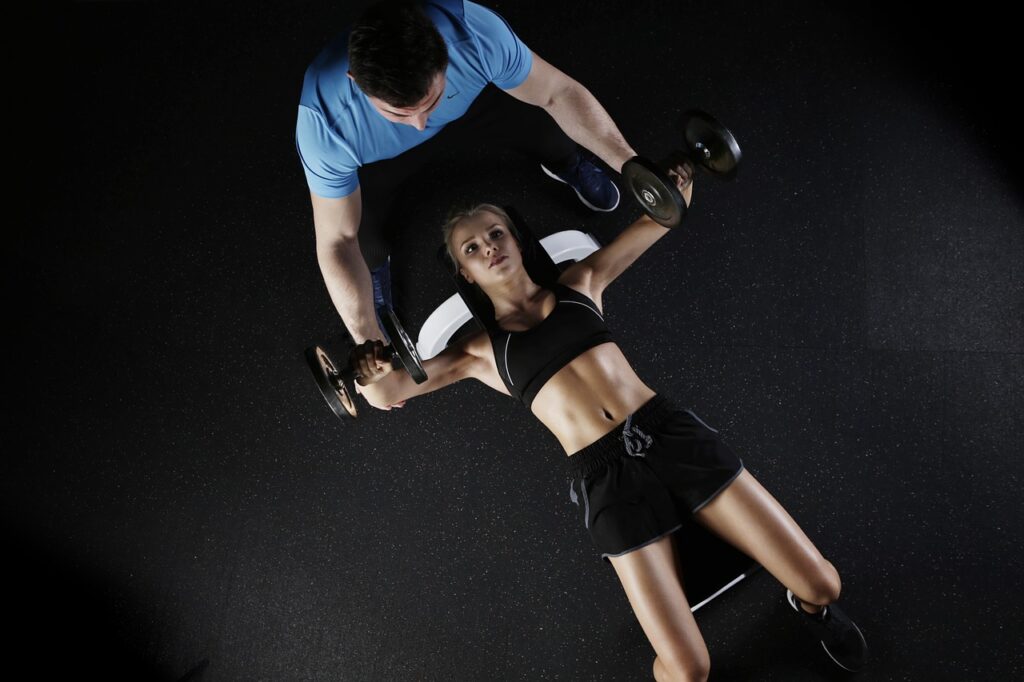
- Hire a Trainer: If possible, consider finding a virtual or in-person personal trainer for guidance and accountability.
Conclusion
Creating a personalized workout plan using your equipment is a powerful way to take control of your fitness journey. By understanding your goals, knowing your equipment, designing a tailored workout, and tracking your progress, you can make your workouts more effective and enjoyable. Remember to stay flexible and adjust your plan as needed to keep challenging your body and staying motivated. Your personalized workout plan awaits – go ahead and start planning today!