
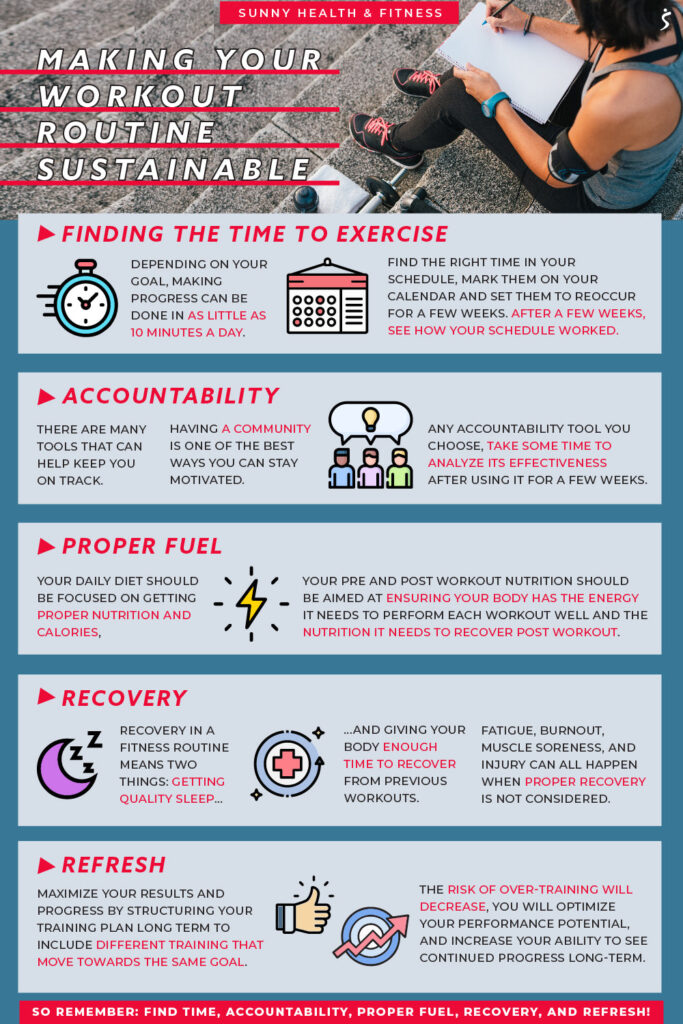
Have you ever started a fitness routine only to abandon it a few weeks or months later? You’re not alone. Many people struggle to maintain a consistent fitness regimen that fits their busy lives and keeps them motivated for the long haul. Creating a sustainable fitness routine doesn’t just happen overnight; it requires planning, dedication, flexibility, and a deep understanding of your own needs and limitations.
Understanding Your Why
Why Is Fitness Important to You?
Before you even lace up your sneakers, you need to understand why you’re prioritizing fitness in the first place. Are you looking to improve your health, increase your energy levels, lose weight, gain muscle, or perhaps reduce stress? Clarifying your motivations will help you stay committed.
Example List:
- Health improvements: Lower blood pressure, cholesterol, etc.
- Mental health: Reduce stress, anxiety, etc.
- Aesthetic goals: Weight loss, muscle gain, etc.
- Social reasons: Joining workout groups, accountability partners
- Functional goals: Increasing energy, mobility, and strength for everyday activities
Knowing your why creates a stronger emotional investment and helps you push through tough days.
Setting Realistic Goals
SMART Goals
Goals give you direction and a sense of purpose. Ensure your goals are SMART: Specific, Measurable, Achievable, Relevant, and Time-bound.
Specific: What do you want to achieve? Measurable: How will you track your progress? Achievable: Is your goal realistic? Relevant: Does it align with your broader objectives? Time-bound: What is your deadline?
Example Table:
| Goal Category | Example Goal | Meets SMART Criteria |
|---|---|---|
| Health | Lower blood pressure by 10 points in 6 months | Yes: Specific, Measurable, Achievable, Relevant, Time-bound |
| Weight Loss | Lose 15 pounds in 3 months | Yes: Specific, Measurable, Achievable, Relevant, Time-bound |
| Strength | Increase deadlift weight by 50 pounds in 6 months | Yes: Specific, Measurable, Achievable, Relevant, Time-bound |

Choosing the Right Exercise
Find What You Enjoy
Fitness shouldn’t be a chore. Identify activities you genuinely enjoy. You’re more likely to stick to a routine if you look forward to the workouts. Some people love running, while others prefer yoga, cycling, or dancing. Experiment with various forms of exercise to find what excites you.
Mix It Up
Variety prevents boredom and keeps your routine exciting. It also helps in working out different muscle groups and preventing plateau. Combine different types of exercises like cardio, strength training, flexibility exercises, and balance activities.
Example Breakdown:
- Cardio: Running, cycling, swimming
- Strength Training: Weight lifting, bodyweight exercises, resistance bands
- Flexibility: Yoga, Pilates, stretching routines
- Balance: Tai Chi, balance boards, stability ball exercises
Creating a Schedule
Consistency Is Key
Your fitness routine should fit seamlessly into your life. Plan your workouts at a time that suits your daily schedule. Consistency matters more than intensity.
Building Your Weekly Routine
Make a weekly plan that includes rest days. Overworking your body can lead to burnout and injuries. A good rule of thumb is to have at least one day of rest or light activity each week.
Example Table:
| Day | Activity | Duration |
|---|---|---|
| Monday | Cardio (Running/Cycling) | 30-45 minutes |
| Tuesday | Strength Training (Upper Body) | 45-60 minutes |
| Wednesday | Flexibility (Yoga/Pilates) | 30-45 minutes |
| Thursday | Cardio (Swimming) | 30-45 minutes |
| Friday | Strength Training (Lower Body) | 45-60 minutes |
| Saturday | Mixed Routine (Cardio + Flexibility) | 60 minutes |
| Sunday | Rest or Light Activity (Walk/Hike) | Flexible |

Listening to Your Body
Avoiding Overtraining
Rest is just as important as your workouts. Overtraining can lead to injuries, fatigue, and a decrease in performance. Listen to your body and give it the rest it needs.
Understanding Pain Versus Discomfort
It’s crucial to differentiate between discomfort and actual pain. Discomfort is usually temporary and goes away with rest, while pain might indicate an injury. If you’re in pain, it’s better to take a step back and consult a professional.
Tracking Progress
Keeping a Fitness Journal
Documenting your workouts, progress, and feelings can be highly motivating. Look back at how far you’ve come when you feel discouraged. A journal can also help you identify what works for you and what doesn’t.
Using Technology
Apps and fitness trackers can offer a convenient way to monitor your progress. Many apps personalize workouts, provide reminders, and track metrics like heart rate, steps, and calories burned.

Nutrition and Hydration
Fueling Your Body
Proper nutrition is a cornerstone of a sustainable fitness routine. Ensure you’re consuming a balanced diet rich in all the necessary macronutrients and micronutrients. Avoid fad diets and focus on eating whole, unprocessed foods.
Example Nutrient Table:
| Nutrient | Example Source |
|---|---|
| Protein | Chicken, fish, beans, lentils, tofu |
| Carbohydrates | Whole grains, vegetables, fruits |
| Fats | Avocados, nuts, seeds, olive oil |
| Vitamins | Leafy greens, colorful vegetables, fruits |
| Minerals | Nuts, seeds, dairy products, leafy greens |
Staying Hydrated
Hydration is vital for performance and general well-being. Aim to drink at least 8 cups (64 ounces) of water a day, adjusting based on your size, activity level, and climate. Dehydration can result in reduced performance and increased risk of injury.
Flexibility and Adaptability
Being Flexible
Life happens, and sometimes you might miss a workout. Instead of stressing out, be flexible and adapt. If you missed morning yoga, maybe you can squeeze in a quick session after work. Consistency doesn’t mean rigidity.
Adapting to Changes
Your fitness routine should evolve as you progress. As you get fitter, your body will adapt to the workouts. Increase the intensity, try new exercises, or set new goals to keep challenging yourself.

Seeking Professional Help
Personal Trainers
A personal trainer can provide a personalized fitness plan, guide you on the proper form to prevent injuries, and keep you accountable. They bring expertise and customized advice that can help reach your goals faster.
Nutritionists
If diet is an area you’re struggling with, consulting a nutritionist can provide you with tailored advice and meal plans that complement your fitness goals. Nutritionists help make sense of conflicting information and offer guidance based on your unique needs.
Medical Professionals
Always consult with healthcare providers before starting any new fitness routine, especially if you have underlying health conditions. They can offer precautions and advice to make your workouts safe and effective.
Building a Support System
Friends and Family
Surrounding yourself with a support system can significantly impact your fitness journey. Whether it’s a workout buddy, a family member cheering you on, or a friend joining you for a class, having others involved can make the process more enjoyable and motivating.
Online Communities
There are countless online communities and forums dedicated to fitness. These platforms provide a space to share your progress, ask for advice, and find motivation from others on similar journeys.
Mental Health Connection
Exercise and Mental Well-being
Physical activity is not just beneficial for your body but also for your mind. Regular exercise can reduce symptoms of depression and anxiety, improve mood, and boost your overall mental well-being.
Mindfulness and Meditation
Incorporating mindfulness and meditation into your routine can enhance your mental well-being. Practices like yoga and Tai Chi blend physical exercise with mindfulness, offering holistic benefits.
Celebrating Your Achievements
Small Wins Matter
Don’t wait until you reach your ultimate goal to celebrate. Acknowledge and celebrate small milestones along the way. Whether it’s lifting a heavier weight, running a longer distance, or simply sticking to your routine for a month, every success is significant.
Rewarding Yourself
Rewards can be an excellent motivation tool. Treat yourself to something enjoyable when you achieve a goal. It could be a spa day, a new workout outfit, or a fun outing. Positive reinforcement can help maintain your motivation.
Staying Educated
Continuous Learning
The fitness world is always evolving, with new research, techniques, and trends emerging regularly. Stay educated by reading books, following reputable fitness blogs, or taking fitness courses.
Adapting New Knowledge
As you learn, don’t be afraid to adapt your routine. New knowledge can help you optimize your workouts, prevent injuries, and make your fitness journey more enjoyable and effective.
Final Thoughts
Creating a sustainable fitness routine that works for you is a personal journey. It involves understanding your motivations, setting realistic goals, finding enjoyable activities, and being flexible and adaptable. Surround yourself with support, stay educated, and most importantly, listen to your body. Celebrate your achievements no matter how small, and enjoy the process.
By taking a balanced, thoughtful approach, you’ll find that fitness can become an enjoyable and integral part of your life, rather than a fleeting resolution. Are you ready to start building a fitness routine that’s sustainable and tailored to you? Let’s get moving towards a healthier, happier you!