
Have you ever wondered how to create a workout plan that focuses solely on bodyweight exercises? If you’re aiming to build strength, improve flexibility, or simply maintain a fit lifestyle without the constant need for gym equipment, you’re in the right place. Bodyweight exercises are an excellent way to get a wholesome workout anytime, anywhere. All you need is some space and the motivation to get moving.
Starting can feel overwhelming, but don’t worry—once you grasp the essentials and find out what works best for you, the process becomes straightforward and enjoyable. This guide will help you tailor a workout plan that fits your goals and lifestyle. Let’s walk you through the entire process, from understanding the basics of bodyweight exercises to structuring an effective routine.
Understanding Bodyweight Exercises
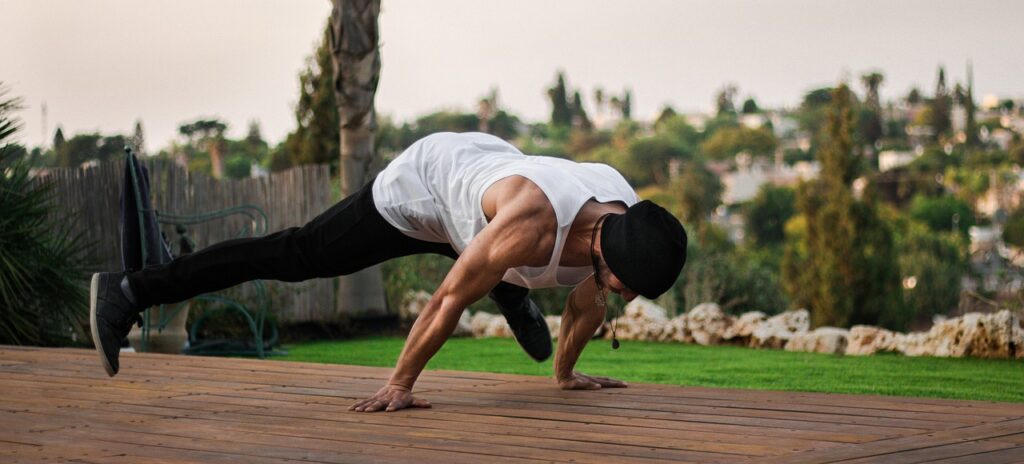
Bodyweight exercises, as the name suggests, use your own body’s weight as resistance. This form of exercise can be incredibly effective for building strength, improving flexibility, enhancing endurance, and maintaining overall physical health.
Benefits of Bodyweight Exercises
Diverse and flexible, bodyweight exercises offer a plethora of benefits. Here are a few key advantages:
- Accessibility: No equipment needed, just your own body and some space.
- Cost-effective: Save money on gym memberships and expensive gear.
- Flexibility: Can be performed anywhere, whether at home, in a park, or while traveling.
- Efficiency: Many exercises target multiple muscle groups simultaneously.
- Scalability: Easily adjust the difficulty based on your fitness level.
Common Types of Bodyweight Exercises
Understanding the different types of bodyweight exercises helps you create a balanced and comprehensive workout plan. These can be categorized based on the muscle groups they focus on:
- Upper Body: Push-ups, dips, planks.
- Lower Body: Squats, lunges, calf raises.
- Core: Mountain climbers, leg raises, bicycles.
- Full Body: Burpees, jumping jacks, bear crawls.
Setting Your Goals
Setting clear and attainable goals is crucial for creating a workout plan that keeps you motivated and on track.
Identify Your Fitness Goals
Decide what you want to achieve with your bodyweight workout plan. Here are some common fitness goals:
- Build Muscle: Focus on strength training exercises and progressive overload.
- Lose Weight: Incorporate cardio-intensive activities for calorie burning.
- Increase Flexibility: Add stretching and mobility exercises.
- Boost Endurance: Implement high-repetition exercises and circuits.
SMART Goals
Consider using the SMART criteria to define your goals—Specific, Measurable, Achievable, Relevant, Time-bound. For example:
- Instead of saying “I want to get stronger,” aim for “I want to do 20 push-ups in a row within three months.”

Structuring Your Workout Plan
Creating a solid workout plan involves several key elements, including frequency, duration, exercise variety, and progression.
Determine Workout Frequency
Decide how often you will work out each week. A good rule of thumb for beginners is to start with 3-4 days per week, allowing rest days in between for muscle recovery. Intermediate and advanced exercisers might work out 5-6 times a week.
Set a Duration
Each workout session should last between 30-60 minutes, depending on your goals and available time. This duration includes warm-up and cool-down periods.
Designing Your Routine
Now, let’s dive into designing your bodyweight workout routine. A balanced approach targets various muscle groups and includes a mix of strength, cardio, and flexibility exercises.
Warm-Up
A proper warm-up prepares your body for exercise, reducing the risk of injury and enhancing performance. Spend 5-10 minutes doing dynamic stretches or light cardio.
Upper Body Workouts
The upper body includes muscles like the chest, shoulders, triceps, biceps, and upper back. Here are some effective exercises:
- Push-Ups: Excellent for the chest, shoulders, and triceps.
- Dips: Targets triceps and shoulders.
- Planks: Engages the core and shoulders.
| Exercise | Reps | Sets | Rest |
|---|---|---|---|
| Push-Ups | 10-15 | 3-4 | 60s |
| Dips | 10-12 | 3 | 60s |
| Planks | 30-60s | 3 | 60s |
Lower Body Workouts
Exercises for the lower body focus on muscles such as the quads, hamstrings, glutes, and calves:
- Squats: Great for quads, hamstrings, and glutes.
- Lunges: Targets quads, hamstrings, and glutes.
- Calf Raises: Focuses on the calves.
| Exercise | Reps | Sets | Rest |
|---|---|---|---|
| Squats | 12-15 | 3-4 | 60s |
| Lunges | 10-12 | 3 | 60s |
| Calf Raises | 15-20 | 3 | 60s |
Core Workouts
Core exercises help stabilize your body and improve balance and posture. Here are some exercises to include:
- Mountain Climbers: Works the core and engages multiple muscle groups.
- Leg Raises: Focuses on the lower abs.
- Bicycles: Targets the obliques.
| Exercise | Reps | Sets | Rest |
|---|---|---|---|
| Mountain Climbers | 20-30 | 3 | 60s |
| Leg Raises | 12-15 | 3 | 60s |
| Bicycles | 20-30 | 3 | 60s |
Full Body Workouts
Full-body exercises engage multiple muscle groups, promoting more overall strength and endurance:
- Burpees: Combines push-ups, squats, and jumps.
- Jumping Jacks: Increases heart rate and engages full body.
- Bear Crawls: Strengthens core and upper body.
| Exercise | Reps | Sets | Rest |
|---|---|---|---|
| Burpees | 10-12 | 3 | 60s |
| Jumping Jacks | 30-60s | 3 | 60s |
| Bear Crawls | 20-30 | 3 | 60s |
Cool-Down
A proper cool-down helps your body transition back to a resting state and reduces muscle soreness. Spend 5-10 minutes doing static stretches and deep breathing exercises.
Progressive Overload
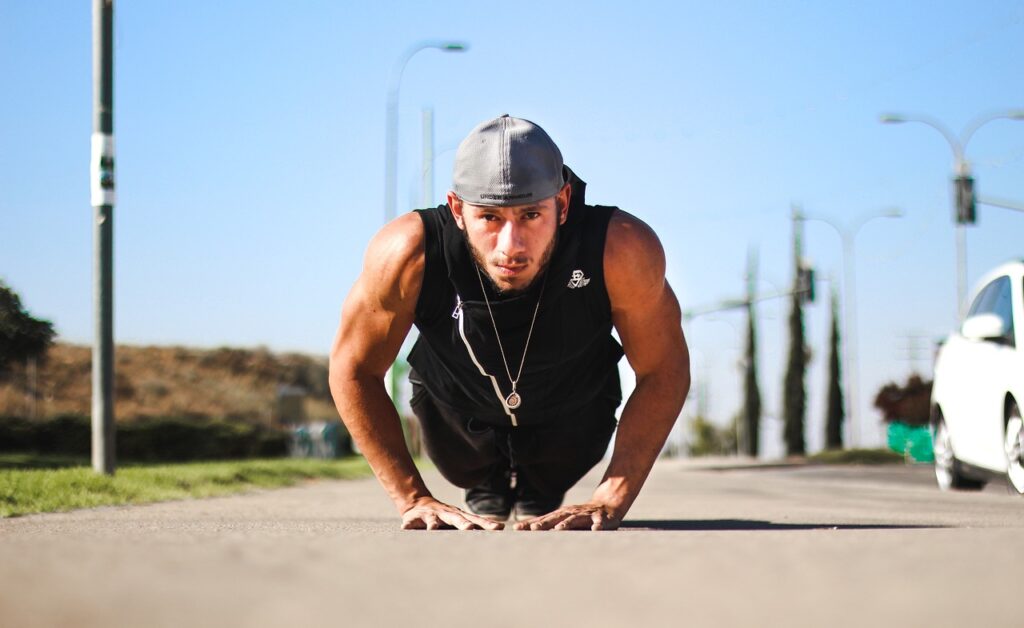
To continue making progress, gradually increase the difficulty of your exercises over time. This can be done by increasing reps, sets, or intensity.
Techniques to Implement Progressive Overload
- Increase Reps: Gradually add more repetitions as you get stronger.
- Add Sets: Incorporate additional sets into your routine.
- Modify Exercises: Use more challenging variations of the exercises.
Nutrition and Recovery
Nutrition and recovery play a crucial role in achieving your fitness goals. Fueling your body properly and allowing time for recovery can enhance your performance and results.
Fueling Your Workouts
Eating a balanced diet rich in proteins, carbohydrates, and healthy fats provides the energy necessary for effective workouts and recovery. Staying hydrated is equally important.
Importance of Rest
Allowing your muscles to recover is essential for progress. Be sure to get adequate sleep and incorporate rest days into your routine to prevent overtraining and injuries.

Staying Motivated
Maintaining motivation can be challenging, but setting clear goals, tracking progress, and finding enjoyment in your workouts will help sustain your commitment.
Tracking Progress
Keep a log of your workouts, noting your performance, milestones, and how you feel. This not only tracks progress but also keeps you accountable.
Finding Enjoyment
Mix things up to keep your routine exciting. Try new exercises, workout in different environments, or join a fitness group or class for added motivation.
Sample Workout Plan
Here’s a sample 4-week bodyweight workout plan to get you started:
Week 1-2
| Day | Workout |
|---|---|
| Monday | Upper Body |
| Tuesday | Lower Body |
| Wednesday | Rest |
| Thursday | Core |
| Friday | Full Body |
| Saturday | Rest or Light Stretching |
| Sunday | Rest |
Week 3-4
| Day | Workout |
|---|---|
| Monday | Upper Body with increased reps/sets |
| Tuesday | Lower Body with increased reps/sets |
| Wednesday | Rest |
| Thursday | Core with increased reps/sets |
| Friday | Full Body with increased intensity |
| Saturday | Rest or Light Cardio |
| Sunday | Rest |
Remember, the key to success is consistency, patience, and adaptability. Listen to your body and adjust the plan as needed to suit your progress and personal goals. With dedication, you’ll see significant improvements in your strength, endurance, and overall fitness.
Creating a workout plan focused on bodyweight exercises offers an accessible, effective, and enjoyable way to achieve your fitness goals. By understanding the benefits, setting clear goals, structuring a balanced routine, and staying motivated, you’ll be well on your way to a stronger, healthier you. Enjoy your fitness journey and the benefits that come with a consistent bodyweight exercise routine!