
Have you ever wondered what the best way to fuel your body for a long endurance workout really is? Whether you’re preparing for a marathon, a lengthy bike ride, or even a day of hiking, proper nutrition can be the difference between conquering your goals and hitting the wall. In this article, we will cover everything you need to know about how to properly fuel for a long endurance workout. From the days leading up to the event, to recovery strategies, and everything in between, you’ll be well-equipped to maximize your performance and feel great doing it.
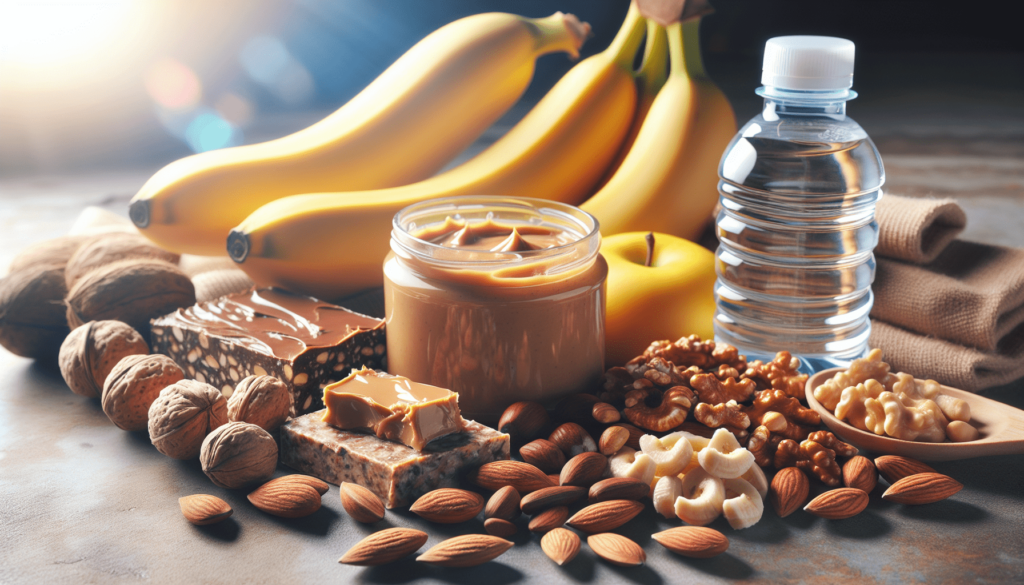
Understanding the Importance of Proper Fueling
Before we dive into the specifics, it’s essential to understand why fueling your body correctly for an endurance workout is crucial. Unlike short, high-intensity exercise sessions, long endurance activities require a sustained supply of energy. Without proper nutrition, your body can quickly deplete its energy reserves, leading to fatigue, diminished performance, and increased risk of injury.
Why Do You Need to Fuel Properly?
The reason you need to fuel properly for long endurance workouts boils down to energy balance. Your body relies on carbohydrates, proteins, and fats to generate the energy it needs for prolonged physical activities. When these macronutrients are not in balance, your body can’t function at optimal levels.
- Carbohydrates: The primary source of quick energy. Your muscles store carbohydrates in the form of glycogen, but these reserves can deplete rapidly during long workouts.
- Proteins: Essential for muscle repair and recovery.
- Fats: A secondary source of energy that becomes more important as carbohydrate stores deplete.
A well-rounded fueling strategy will aim to optimize the intake and utilization of these key macronutrients to keep your energy levels steady throughout your workout.
Pre-Workout Nutrition: Setting the Stage for Success
The food you consume in the days leading up to your workout plays a significant role in your performance. Your body needs time to process and store the nutrients that will fuel you during your activity.
The Three-Day Strategy
Ideally, you should begin adjusting your diet around three days before your workout. This phase focuses primarily on increasing your carbohydrate intake while maintaining a balanced diet.
| Days Before Workout | Dietary Focus |
|---|---|
| 3 Days | Increase carbohydrate intake to 60-70% of your daily calories. |
| 2 Days | Continue with high carbohydrates; add moderate protein and fats. |
| 1 Day | Focus on carbohydrate-rich meals; avoid fatty and high-fiber foods. |
Specific Foods to Consume
- Three Days Before: Oatmeal, whole grain bread, pasta, fruits like bananas and apples, and starchy vegetables.
- Two Days Before: Continue the same, adding lean proteins like chicken and fish.
- One Day Before: Stick to carbohydrate-heavy meals, such as rice, pasta, or quinoa, while avoiding heavy, fatty foods that can slow digestion.
The Night Before: Final Preparations
The night before your workout is not the time to experiment with new foods. Stick to meals that your body is familiar with and that are easy to digest. Aim for a dinner that is high in carbohydrates, moderate in protein, and low in fat.
Example Pre-Workout Dinner
Here’s an example of a balanced dinner:
- Grilled chicken breast
- Steamed vegetables (carrots, broccoli)
- Brown rice or quinoa
- A small cup of low-fat yogurt or a similar dairy-free alternative
Getting ample rest is just as essential as your eating plan. Aim for at least 7-9 hours of sleep for optimal performance.
The Day of the Workout: Timing and Composition
The timing and composition of your meals on the day of your workout can make a significant impact. You need enough time to digest but also need to ensure your glycogen stores are topped off.
Breakfast: The Power Meal
Your pre-workout breakfast should be consumed 3-4 hours before your workout. This meal should be high in carbohydrates, with moderate protein and low fat.
| Food | Serving Size | Carbohydrates (g) | Protein (g) | Fat (g) |
|---|---|---|---|---|
| Oatmeal | 1 Cup cooked | 27 | 5 | 3 |
| Banana | 1 Large | 31 | 1.3 | 0.4 |
| Greek Yogurt | 1 Cup | 10 | 11 | 0.9 |
| Orange Juice | 1 Cup | 26 | 2 | 0.5 |
Snacks: Keeping Energy Levels Stable
If your workout is particularly long, you may need to fuel during the activity. Simple, easily digestible snacks should be your go-to.
- Energy bars: Look for bars high in carbohydrates and low in fat.
- Bananas: Packed with simple carbohydrates and potassium.
- Sports drinks: These can help quickly replenish electrolytes and provide a carbohydrate boost.
Hydration: The Often-Overlooked Component
Staying hydrated is equally as important as what you eat. Aim to drink 16-20 ounces of water 1-2 hours before your workout. Keep hydrating with small sips of water or a sports drink throughout your activity.
During the Workout: Maintaining Energy Stores
Your focus during the workout should be on maintaining those energy stores to prevent crashing halfway through. Consuming small amounts of easily digestible carbohydrates can help.
What to Eat During an Endurance Workout
Ideally, you should aim to consume 30-60 grams of carbohydrates per hour.
| Food | Serving Size | Carbohydrates (g) |
|---|---|---|
| Energy Gel | 1 Packet | 22-28 |
| Sports Drink | 8 ounces | 14-20 |
| Dried Fruit | 1/4 Cup | 25 |
| Energy Chews | 6 Chews | 24 |
Timing Your Nutrient Intake
- Every 20-30 minutes: Consume small amounts of your chosen snacks.
- Hydration: Take small sips of water or a sports drink consistently throughout the workout.
Post-Workout Nutrition: The Road to Recovery
Recovery is an often underestimated, yet critical phase of your workout routine. Proper post-workout nutrition can speed up recovery, replenish glycogen stores, and aid muscle repair.
The 30-Minute Window
Try to consume a balanced snack or meal within 30 minutes post-workout. This is often referred to as the “anabolic window” where your body is primed to absorb nutrients effectively.
Ideal Post-Workout Foods
| Food | Serving Size | Carbohydrates (g) | Protein (g) | Fat (g) |
|---|---|---|---|---|
| Chocolate Milk | 1 Cup | 24 | 8 | 5 |
| Protein Shake | 1 Serving | 6 | 20-25 | 1 |
| Turkey Sandwich | 1 | 30-40 | 20-25 | 5-7 |
| Apple Slices & Peanut Butter | 1 Apple + 2 Tbs | 34 | 4.5 | 9 |
Rehydrating After Your Workout
Don’t forget to rehydrate post-workout. Aim to drink at least 16-24 ounces of water for every pound of body weight lost during your exercise.
Customized Nutrition: Adjusting for Your Needs
Your nutritional needs may vary based on factors such as your body weight, the intensity of your workout, and personal digestive tolerance. Here are some tips for customizing your nutrition plan:
Listen to Your Body
Your body can often tell you when something isn’t working. Pay attention to how different foods make you feel. If you experience nausea, cramps, or other symptoms, you might need to adjust your diet.
Consult a Professional
For personalized advice, consider consulting a nutritionist or dietitian who specializes in sports nutrition. They can offer tailored guidance that aligns with your specific needs and goals.
Example Personalized Plan
For an endurance athlete weighing around 150 pounds performing a 2-hour run:
Day Before:
- Breakfast: High-carb oatmeal with fruits.
- Lunch: Turkey and cheese sandwich on whole-grain bread.
- Dinner: Large plate of pasta with tomato sauce and grilled chicken.
- Snacks: Fresh fruits and a handful of nuts.
Day Of:
- Pre-Workout: Oatmeal, a banana, and a glass of orange juice.
- During Workout: Energy gel every 45 minutes, water breaks with electrolyte drinks.
- Post-Workout: Chocolate milk, a protein bar, and a balanced meal within two hours.
Common Mistakes and How to Avoid Them
Even seasoned athletes can make mistakes when it comes to fueling for endurance workouts. Here are some common pitfalls and how to avoid them.
Skipping Breakfast
Skipping breakfast can lead to low energy levels during your workout. Always aim to have a balanced meal a few hours before starting.
Not Testing New Foods
Race day is not the time to try out new foods or supplements. Test your fueling strategy during your training sessions to avoid unexpected digestive issues.
Over-Hydrating
While hydration is important, over-hydrating can lead to a condition known as hyponatremia, where sodium levels in your blood become too diluted. Balance water intake with electrolyte drinks.
Supplements: Are They Necessary?
You might be wondering whether supplements like protein powders, energy gels, and electrolyte tablets are necessary for an endurance workout. While whole foods should be your primary source of nutrients, supplements can fill gaps and provide convenience.
Common Supplements
- Protein Powders: Useful for quick post-workout recovery.
- Energy Gels/Chews: Provide easily digestible carbohydrates during long workouts.
- Electrolyte Tablets: Help maintain electrolyte balance during prolonged physical activity.
Discuss with a healthcare or nutrition professional before adding any supplements to your routine to ensure they are appropriate for you.
Summary
Fueling correctly for a long endurance workout involves a comprehensive strategy that spans the days leading up to the activity, the actual day of the workout, and the post-workout recovery phase. Start by understanding the importance of carbohydrates, proteins, and fats in sustaining your energy levels. Plan your meals well in advance, focusing on easily digestible, high-carb foods. Stay hydrated and consider incorporating a mix of whole foods and supplements as needed. By adopting these practices, you can enhance your performance, minimize fatigue, and recover more effectively, setting the stage for your next endurance challenge.