
Ever found yourself reaching for a snack in the middle of the day, only to feel even more sluggish afterward? Snacking at the wrong times or choosing the wrong types of snacks can often lead to this unwanted lethargy. Let’s explore how you can snack smartly to maintain your energy levels and feel your best throughout the day.
Understanding Why Snacks Matter
Snacking isn’t just about satisfying hunger between meals. It’s about providing your body with nutrients that keep you energized and mentally alert. When you choose the right snacks, you help stabilize your blood sugar, fuel your brain, and prevent the sluggish feelings that can arise from low energy.
The Role of Blood Sugar
Your blood sugar levels play a significant role in how you feel. When they dip too low, you can experience fatigue, irritability, and difficulty concentrating. On the other hand, spiking your blood sugar with sugary or high-carbohydrate snacks can lead to an abrupt energy crash.
Nutrient-Rich Choices
Not all snacks are created equal. Opting for nutrient-dense snacks provides your body with vitamins, minerals, protein, and healthy fats, which can help maintain steady energy levels. Snacks that are high in empty calories might give you a quick boost, but they lack the staying power of healthier options.
Timing Your Snacks
When you snack is just as important as what you snack on. The timing of your snacks can help keep your energy stable throughout the day.
Mid-Morning Snacks
A small snack between breakfast and lunch can help bridge the gap and prevent overeating at your next meal. Think of it as a way to keep your metabolism humming.
Good Choices:
| Food | Reason |
|---|---|
| Greek Yogurt | High in protein, which keeps you fuller longer. |
| Apple with Peanut Butter | Combines fiber and protein to maintain energy levels. |
| Handful of Nuts | Provides healthy fats and protein. |
Afternoon Snacks
The afternoon lull is a real challenge for many. Having a smart snack can help you power through those last few hours of work or activities.
Good Choices:
| Food | Reason |
|---|---|
| Hummus with Veggies | Fiber and protein keep blood sugar steady. |
| Cheese and Whole-Grain Crackers | Provides a mix of protein, fat, and carbohydrates. |
| Smoothie with Protein Powder | Quick and easy, yet nutritionally balanced. |
Choosing the Right Types of Snacks
Your body benefits more from certain types of snacks than others. Understanding these can lead to smarter snacking habits.
Protein-Packed Snacks
Protein helps to repair tissues and build new ones. It also digests more slowly than carbohydrates, which helps to keep you feeling full and satisfied longer.
Examples:
- Hard-boiled eggs
- Cottage cheese with fruit
- Turkey slices
Fiber-Rich Snacks
Fiber aids digestion and helps to maintain stable blood sugar levels. Foods high in fiber also tend to be more filling.
Examples:
- Fresh fruit like berries, apples, or pears
- Vegetables such as carrots, celery, or bell peppers
- Whole-grain bread or crackers
Healthy Fats
Healthy fats are essential for brain health and maintaining energy levels. They can also help you feel more satiated.
Examples:
- Avocado slices or guacamole
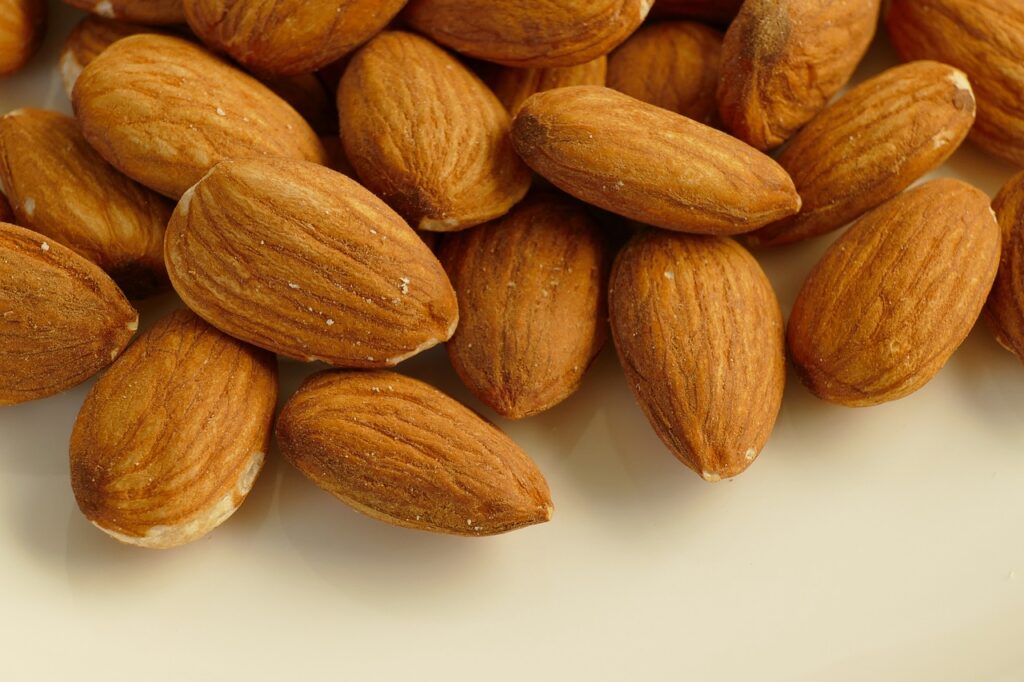
- Nuts and seeds
- Olive oil drizzled on veggies or whole-grain toast
Smart Combinations
Combining protein, fiber, and healthy fats can make for the perfect snack. These combinations can help keep your energy levels consistent.
Examples:
- Greek yogurt with berries and a drizzle of honey
- Whole-grain toast with avocado and a sprinkle of chia seeds
- A smoothie made with spinach, banana, almond milk, and a spoonful of flaxseed
Avoiding Common Pitfalls
Even with the best intentions, it’s easy to fall into some common snacking traps that can leave you feeling sluggish.
Sugary Snacks
Candy, cookies, and other sugary snacks might give you a quick boost, but the resulting crash can leave you more tired. Opt for more balanced choices to avoid this cycle.
High-Carb, Low-Nutrition Foods
Chips and other high-carb snacks that lack nutrients can spike your blood sugar and then drop it just as quickly. Always aim for snacks that also include some form of protein or healthy fat.
Portion Control
Overeating, even healthy snacks, can leave you feeling heavy and sluggish. Pay attention to portion sizes to maintain energy without overloading your system.

Practical Tips for Smart Snacking
Implementing smart snacking habits doesn’t have to be complicated. Here are a few practical tips to get you started.
Plan Ahead
Prepare and portion out snacks in advance to avoid grabbing unhealthy options in a moment of weakness. Having ready-to-go choices makes it easier to stick to healthy options.
Balance Your Nutrients
Ensure that you’re getting a mix of protein, fiber, and healthy fats in your snacks. This balance will keep you more satisfied and stable.
Mindful Eating
Take a moment to enjoy your snack mindfully. Eating slowly can help you recognize when you’re full and can improve your overall eating experience.
Keep Healthy Options On Hand
Stock your pantry, desk, or car with nutritious snacks. This preparation can help you make better choices when hunger strikes.
Quick Snack Ideas:
| Snack | Nutrients Provided |
|---|---|
| Almonds and Dried Fruit | Protein, healthy fats, and fiber |
| Veggie Sticks with Hummus | Fiber and protein |
| Hard-Boiled Egg and Avocado | Protein and healthy fats |
| Whole-Grain Crackers with Cheese | Carbohydrates, protein, and fats |
Listen to Your Body
Pay attention to how different snacks make you feel. Your body’s feedback is the best guide for what energizes you and what makes you sluggish.
Common Myths About Snacking
There are many misconceptions about snacking that can lead to poor choices. Let’s set the record straight on a few common myths.
Myth: Snacking Leads to Weight Gain
The truth is, smart snacking can help you manage your weight by preventing overeating at meal times. It’s the type and amount of snack that matters.
Myth: All Snacks are Unhealthy
Not all snacks are created equal. Whole foods like fruits, vegetables, nuts, and yogurt are much healthier than processed snacks.
Myth: You Should Avoid Eating Between Meals
In reality, snacking can help keep your metabolism running and prevent you from becoming too hungry, which can lead to overeating later.

Creating Your Own Smart Snack Plan
Now that you have a good understanding of what makes a smart snack, it’s time to create a plan that fits your lifestyle.
Assess Your Schedule
Identify times during the day when you typically feel low on energy or hungry. Plan to have a snack ready for those moments.
Personalize Your Choices
Choose snacks that you enjoy and that fit into your routine. The best snacks are the ones you look forward to eating.
Monitor Your Energy Levels
Keep track of how different snacks affect your energy and mood. Adjust your choices based on what makes you feel the best.
Set Realistic Goals
Start with small changes. You don’t need to overhaul your snacking habits overnight. Begin by incorporating one or two smarter choices and build from there.
Keeping It Sustainable
The key to long-term success is making smart snacking a sustainable habit that fits into your daily life without too much effort.
Batch Prep
Spend some time each week prepping your snacks. Slice veggies, portion out nuts, and prepare any other snacks that need advance preparation.
Portable Snacks
Choose snacks that travel well so you can have healthy options no matter where you go. This ensures you’re not tempted by unhealthy choices when you’re out and about.
Enjoy Variety
Keep a range of snacks on hand to avoid boredom. A varied diet is not only more enjoyable but also ensures you’re getting a wide range of nutrients.

Final Thoughts
Smart snacking is more than just choosing healthy foods; it’s also about timing, portion sizes, and personal preferences. By paying attention to your body’s needs and being prepared with the right options, you can snack in a way that keeps you energized and avoids those pesky sluggish feelings. Remember, the best snacks are the ones that make you feel good, both in the moment and hours later. Happy snacking!