
Have you ever wondered about the best ways to stay active while enjoying the beauty of the great outdoors? Sometimes, it can be challenging to figure out an effective and engaging routine that allows you to appreciate nature while maintaining a healthy lifestyle. In this article, you will find useful tips and strategies to help you do just that, combining physical activity with the tranquility of nature.

Understanding the Importance of Outdoor Activity
Engaging in outdoor activities offers immense physical and mental benefits. Nature’s canvas provides a refreshing break from the monotony of indoor workouts. Additionally, outdoor environments can be stimulating, boosting your overall mood and energy level.
Physical Benefits
Spending time outdoors can significantly enhance your physical health. When you engage in activities such as hiking, cycling, or even a simple walk in the park, you work out various muscle groups, improve cardiovascular health, and boost overall strength.
- Cardiovascular Health: Activities like running, cycling or brisk walking can improve heart health.
- Muscle Strength: Hiking and climbing utilize muscles that might not be exercised during typical gym workouts.
- Flexibility & Balance: Activities such as yoga in the park or trail running can improve balance and flexibility.
Mental Benefits
The mental health benefits are equally crucial. When you surround yourself with natural settings, you tend to experience a reduction in stress levels, enhanced mood, and improved cognitive functions.
- Stress Reduction: Nature has a calming effect, which can help lower stress and anxiety.
- Enhanced Mood: Natural light and fresh air can boost serotonin levels, enhancing your mood.
- Cognitive Function: Engaging with nature can improve focus and mental clarity.
Social Benefits
Don’t forget the social aspects! Outdoor activities often provide opportunities to make new friends, deepen existing relationships, and collaborate with others in a team setting.
- Community Building: Join local clubs or groups that focus on specific outdoor activities.
- Teamwork Skills: Some outdoor activities, like team sports or group hikes, rely on teamwork.
- Family Bonding: Outdoor activities can be a great way to spend time with family members.
Finding the Right Activities
With so many options available, you may wonder where to start. It’s essential to choose activities that align with your interests, fitness level, and the resources available in your local area.
Hiking
A classic favorite, hiking offers varying levels of difficulty and complexity. It can be as simple as a walk through a community park or as challenging as a hike up a mountain.
- Preparation: Make sure you have sturdy shoes, a map, plenty of water, and some snacks.
- Trail Selection: Start with beginner trails and gradually move to more challenging routes as your stamina improves.
- Group Hikes: Join local hiking clubs to meet like-minded enthusiasts.
Cycling
Cycling is another excellent way to stay active. It offers a great cardiovascular workout and can be done solo or with a group.
- Choose the Right Bike: Depending on your planned route, whether mountain biking or road cycling, ensure you have the appropriate bike.
- Safety Gear: Always wear a helmet and proper safety gear.
- Routes: Research and explore different bike-friendly routes in your area.
Running and Jogging
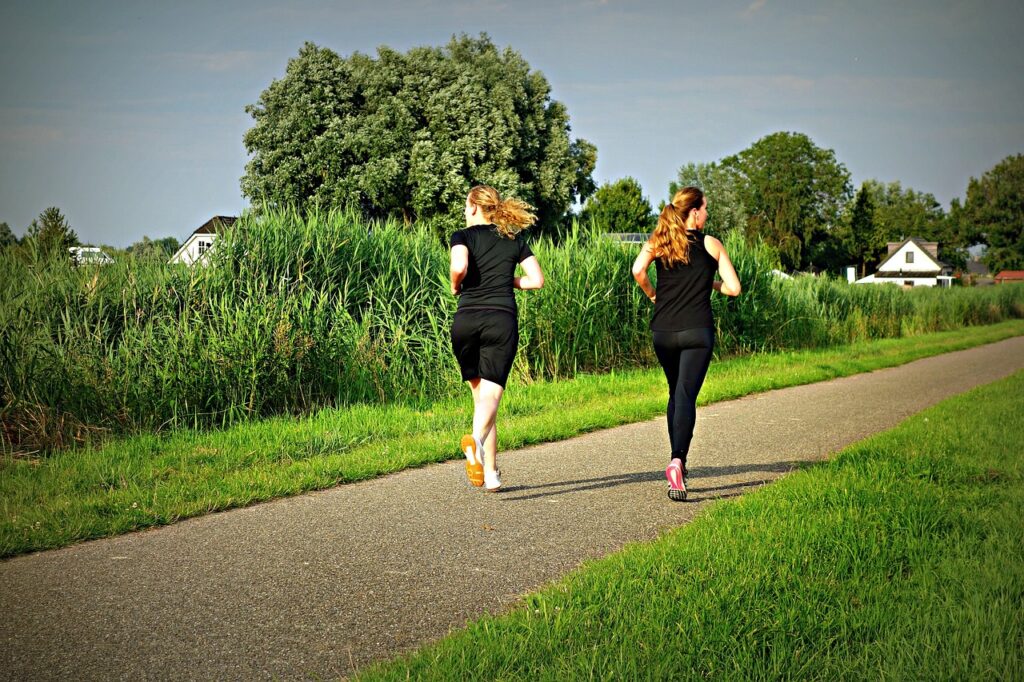
Running or jogging is one of the simplest yet most effective ways to stay fit. It requires minimal equipment and can be done almost anywhere.
- Running Shoes: Invest in a good pair of running shoes tailored to your foot type.
- Track Your Progress: Utilize apps to monitor your routes, distance, and speed.
- Join a Running Group: Motivational support from a group can help you stay consistent.
Water Activities
For a unique challenge, why not try some water-based activities? Whether it’s swimming in a lake, kayaking down a river, or surfing, water sports are excellent for improving strength and endurance.
- Safety First: Always wear a life jacket and know the water conditions.
- Skill Levels: Start with beginner-friendly activities and gradually move to more advanced techniques.
- Group Events: Many organizations offer beginner classes, which are a great way to get started and meet others.
Rock Climbing
Rock climbing can seem intimidating, but it offers a full-body workout and a significant sense of accomplishment once you reach the top.
- Starting Out: Consider taking a few lessons at a climbing gym before heading outdoors.
- Gear: You’ll need specific climbing shoes, a harness, and other safety equipment.
- Locations: Research climbing spots in your area that cater to beginners.
Yoga in Nature
Practicing yoga outdoors can be a fulfilling way to connect with both your inner self and the natural world.
- Find a Quiet Spot: Look for a serene location where you won’t be disturbed.
- Practice Props: Bring a yoga mat, water bottle, and perhaps a cushion or blocks.
- Group Classes: Many parks offer outdoor yoga classes led by experienced instructors.

Preparing for Outdoor Activities
Proper preparation is essential for a safe and enjoyable outdoor experience. From what to wear to what to bring, here are some guidelines to keep in mind.
Clothing and Gear
The right attire and gear can make or break your outdoor adventure. Always opt for moisture-wicking, quick-drying fabrics, and layers that can be added or removed according to the weather.
| Activity | Clothing | Essential Gear |
|---|---|---|
| Hiking | Layered attire, hiking boots | Map, water, snacks, first aid kit |
| Cycling | Padded shorts, moisture-wicking shirt | Helmet, water bottle, repair kit |
| Running | Breathable shirt, running shoes | Hydration pack, running watch |
| Water Sports | Swimsuit, rash guard | Life jacket, waterproof bag |
| Rock Climbing | Climbing shoes, flexible pants | Harness, chalk bag, climbing rope |
| Yoga | Stretchable clothes | Yoga mat, water bottle |
Nutrition and Hydration
Fueling your body appropriately is just as important as the activity itself. Proper nutrition and hydration can significantly impact your performance and recovery.
- Hydrate: Always carry an ample supply of water. Hydration packs can be very convenient.
- Balanced Meals: Consume balanced meals rich in carbohydrates, proteins, and fats.
- Snacks: Carry energy bars, nuts, and fruits for quick energy boosts.
Safety Measures
Safety should always be a priority when engaging in outdoor activities. Here are some essential safety tips to follow.
- Inform Someone: Always let someone know where you’re going and when you plan to return.
- First Aid Kit: Carry a basic first aid kit to handle minor injuries.
- Weather Checks: Always check the weather forecast before heading out.
- Know Your Limits: Don’t push yourself too hard, especially when trying new activities.
Creating a Routine
While spontaneity is one of the joys of outdoor activities, having a structured routine can help you stay consistent and make the most of your outdoor experiences.
Setting Goals
Setting achievable goals helps to keep you motivated and on track. Your goals can be as simple as hiking a certain number of miles a month or trying a new activity every week.
- Short-term Goals: Immediate objectives like jogging for 30 minutes without a break.
- Long-term Goals: Aspirational goals such as participating in a local marathon or a multi-day hiking trip.
Mixing It Up
Variety is the spice of life. Incorporating different activities into your routine can keep things exciting and ensure a well-rounded fitness regime.
- Combination: Mix high-intensity activities like running with more serene options like yoga.
- Week Planner: Plan your week to include different days focused on different activities.
Staying Motivated
It can be easy to lose motivation, especially if results aren’t immediately visible. Here are some tips to stay engaged and committed.
- Join Groups: Being part of a group or community can provide that extra push.
- Track Progress: Use apps or journals to record your progress and celebrate small victories.
- Reward Yourself: Setting up a reward system for achieving your goals can be very motivating.
Seasonal Considerations
Adapting your outdoor activities according to the season can provide both variety and challenge. Here are some tips for each season:
Spring
Spring is an excellent time to renew your commitment to staying active outdoors.
- Best Activities: Hiking, cycling, running
- Considerations: Be aware of wet and muddy trails
Summer
Summer offers longer days and more opportunities but also comes with its own set of challenges.
- Best Activities: Water sports, morning or evening runs, beach volleyball
- Considerations: Hydrate well and use sun protection
Fall
The cooler weather makes fall an ideal time for many outdoor activities.
- Best Activities: Hiking to see the foliage, running, rock climbing
- Considerations: Layer up as temperatures can vary
Winter
Winter doesn’t mean you have to stay indoors. There are plenty of cold-weather activities to explore.
- Best Activities: Snowshoeing, skiing, winter hiking
- Considerations: Dress in layers and be mindful of slippery conditions
Resources and Tools
Taking advantage of available resources and tools can enhance your outdoor adventures. Here are a few recommendations.
Apps and Websites
Technology can be your friend in staying active outdoors. Here are some useful apps and websites for different activities:
| Activity | Recommended Apps/Websites |
|---|---|
| Hiking | AllTrails, Hiking Project |
| Cycling | Strava, MapMyRide |
| Running | RunKeeper, Nike Run Club |
| Water Sports | Paddle Logger, Windy |
| Rock Climbing | Mountain Project, 8a.nu |
| Yoga | Down Dog, Yoga for Beginners |
Books and Guides
Books can be a great source of knowledge, inspiration, and practical tips.
- “The Ultimate Hiker’s Gear Guide” by Andrew Skurka: For those keen on hiking.
- “Born to Run” by Christopher McDougall: A fascinating read for runners.
- “Freedom Climbers” by Bernadette McDonald: An inspiring book for aspiring climbers.
Local Clubs and Groups
Joining local clubs and groups can provide motivation, camaraderie, and expert advice.
- Hiking Clubs: Local hiking clubs often organize group hikes and events.
- Cycling Groups: Join a cycling club to find new routes and make friends.
- Running Clubs: These can offer structured training sessions and social events.
- Outdoor Yoga Groups: Many communities have outdoor yoga sessions you can join.
- Climbing Gyms: Great for meeting fellow climbers and finding climbing partners.
Embracing the Journey
Remember, staying active in nature is about embracing the journey, not just the destination. Every step, paddling stroke, or yoga pose brings you closer to a healthier, more balanced life.
Mindfulness in Motion
Being mindful during your activities can enhance the experience. Whether it’s the rhythm of your breath as you run or the feeling of the earth beneath your feet while hiking, mindfulness can make every activity more rewarding.
Reflecting on Progress
Take the time to reflect on your journey, celebrate your achievements, and recognize areas for improvement. Keeping a journal or blogging about your experiences can be an excellent way to reflect.
Encouraging Others
Sharing your passion for outdoor activities can inspire friends and family to join you. Encouragement can be the nudge they need to start their own journey towards a more active lifestyle.

Conclusion
Engaging in outdoor activities is a phenomenal way to stay active, enjoy nature, and reap immense physical, mental, and social benefits. It’s all about finding the right activities that you love, preparing adequately, setting achievable goals, and staying motivated. Embrace the freedom and joys that come with exercising in nature. You’re not just working on physical fitness; you’re nurturing your mind and spirit, making new social connections, and exploring the wonders of the natural world. So, step outside and start your journey today.