
Have you ever wondered how you can maintain your health while embarking on a new travel adventure? Traveling is an exciting and enriching experience, but as a beginner, it can be overwhelming trying to stay healthy on the go.
How to Stay Healthy During Travel as a Beginner
Taking steps to maintain your health during your travels is crucial to ensure that your trip is enjoyable and memorable for the right reasons. Here are some strategies and tips to help you stay fit and avoid falling ill while exploring new places.
Plan Ahead for Your Health
A significant step in ensuring you stay healthy while traveling is forward planning. Organizing your health-related essentials can save you from potential mishaps and discomfort.
Prepare a Travel Health Kit
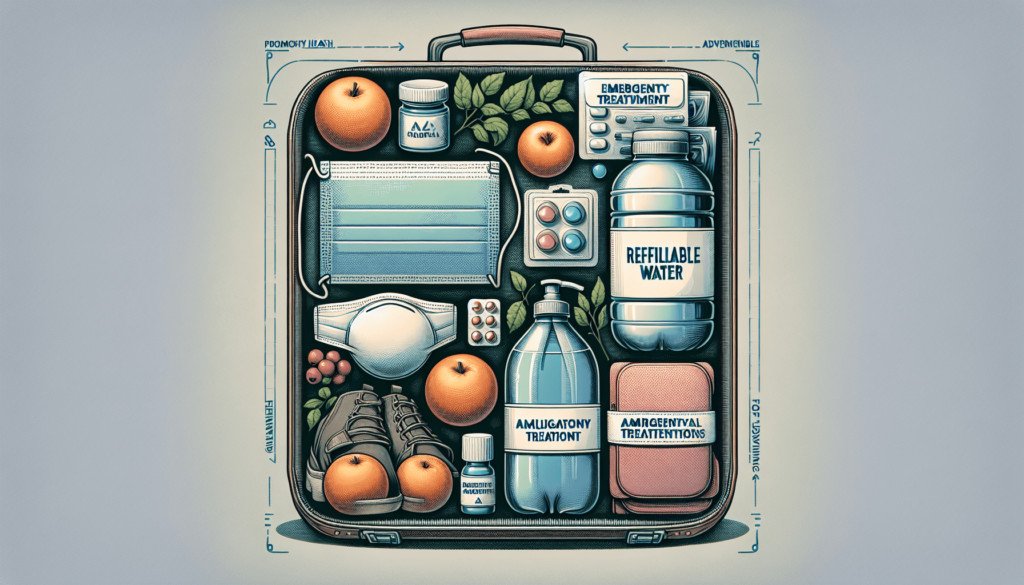
Packing a health kit with basic medications and first aid supplies can be a lifesaver. Here’s a list of what your travel health kit might include:
| Item | Purpose |
|---|---|
| Pain relievers (e.g., ibuprofen, acetaminophen) | For headaches, muscle pain, and fever |
| Antihistamines | To combat allergies |
| Anti-diarrheal medication | For unexpected digestive issues |
| Band-aids, antiseptic wipes | To treat minor cuts and scrapes |
| Prescription medications | Necessary for managing chronic conditions |
| Hand sanitizer | For maintaining hand hygiene |
| Sunscreen | To protect your skin from UV rays |
Research Vaccine Requirements
Different destinations may require or recommend certain vaccinations. It’s wise to consult with a travel health clinic or your healthcare provider at least six weeks before your trip to understand what vaccines you might need.
Eat Wisely
Nutrition significantly influences your health, especially when you are away from home and exposed to different foods and eating habits.
Choose Restaurants Carefully
Research and choose eateries wisely. Opt for establishments with good reviews and high hygiene standards. Eating at places that are popular with locals is often a good indicator of quality and safety.
Drink Wisely
Staying hydrated is crucial, but it’s equally important to ensure the water you drink is safe. In some areas, tap water might not be safe to consume. Use bottled water for drinking and even brushing your teeth. Avoid ice in drinks if you’re unsure of the water source.
Stay Hydrated
Dehydration can easily occur, especially if you’re in a hot climate or spending a lot of time traveling. Carry a refillable water bottle and drink regularly, aligning your intake with your activity level and the climate.
Exercise Regularly
Staying active is another key aspect of maintaining your health while on the road. Incorporate some form of exercise into your daily routine.
Simple Exercises
You don’t need a gym; bodyweight exercises can be done anywhere. Exercises like push-ups, squats, and lunges require no equipment and can easily fit into your schedule.
| Exercise | How to Perform | Benefits |
|---|---|---|
| Push-ups | Use your body weight to push up and down from the floor | Strengthens upper body and core |
| Squats | Stand with feet shoulder-width apart, then lower your hips and rise | Strengthens legs and improves balance |
| Lunges | Step forward with one leg, lower your hips until both knees are bent, return | Works on glutes, hamstrings, and quads |
Utilize Your Environment
Make the most out of your surroundings. Go for a walk or run, rent a bicycle, or even try out local activities that get your body moving while offering a cultural experience.

Prioritize Sleep
Getting enough rest is vital. Traveling can be exhausting, and proper sleep is necessary for your body to recover and function optimally.
Adjust to Time Zones
If you’re traveling across time zones, try to adjust your sleep schedule to the new time zone as early as possible. This helps your body adapt and reduces the effects of jet lag.
Create a Sleep-Friendly Environment
Use ear plugs and eye masks if you’re in a noisy or bright environment. Ensuring a calm and dark setting can significantly improve the quality of your sleep.
Protect Your Skin
Your skin is another important aspect of your health that requires attention during travel. Different climates and environments can affect your skin in various ways.
Sunscreen Is Essential
Applying a high-SPF sunscreen is vital whether you’re traveling to a sunny beach or snowy mountains. UV rays can cause damage even on cloudy days, so make it a routine to apply sunscreen to exposed skin.
Moisturize Regularly
Travel can often lead to dry skin, especially if you’re flying. Carrying a good moisturizer and using it regularly will keep your skin hydrated.

Hygiene Practices
Maintaining good hygiene is crucial in preventing illnesses, especially when you’re in unfamiliar environments.
Wash Hands Frequently
Handwashing is one of the most effective ways to prevent the spread of germs. Use soap and water or a hand sanitizer with at least 60% alcohol.
| Time to Wash Hands | Importance |
|---|---|
| Before eating | Prevent ingestion of germs |
| After using the restroom | Avoid spreading germs and bacteria |
| After touching surfaces in public places | Minimize exposure to infectious agents |
Avoid Touching Your Face
Your hands come into contact with many surfaces that may harbor germs. Keeping your hands away from your face can reduce the risk of transferring those germs to your mucous membranes where they can cause infections.
Manage Stress
Travel can be stressful, and managing stress is key to maintaining good health.
Practice Relaxation Techniques
Methods such as deep breathing exercises, meditation, or yoga can help reduce stress levels. Even small actions like listening to calming music or taking short breaks can make a significant difference.
Plan and Pace Yourself
Don’t over-cram your itinerary. Allow for some flexibility and downtime to rest and recharge. Pacing your activities helps ensure you don’t burn out and can fully enjoy your experience.
Stay Connected with Loved Ones
Keeping in touch with friends and family can provide emotional support and ease the stress of being away from home.
Use Technology
Leverage technology by using video calls, texts, or social media to stay connected. Sharing your experiences can also bring comfort and joy.
Emergency Preparedness
Being prepared for emergencies is a critical aspect of staying healthy during travel.
Know Local Emergency Numbers
Research and save the emergency contact numbers for the local area you’re visiting. This information is crucial should you need immediate assistance.
Have Travel Insurance
Investing in a good travel insurance policy can provide peace of mind. Ensure it covers health emergencies, including medical evacuation if necessary.
Travel Mindfully
Being mindful of your actions and surroundings plays a big role in maintaining your health while traveling.
Respect Local Customs and Laws
Understanding and respecting local customs and laws can prevent unnecessary stress and potential legal issues. It’s also a part of responsible and respectful travel.
Stay Informed About Current Events
Keep abreast of the latest news and travel advisories for your destination. This ensures you are aware of any health alerts or other significant events that could impact your trip.
Conclusion
Maintaining your health while traveling as a beginner involves a combination of careful planning, wise choices, and mindful practices. By prioritizing your health, you can ensure that your travel experiences are enjoyable, enriching, and safe. Remember, the key to a successful and healthy trip lies in being prepared, staying informed, and listening to your body’s needs. Enjoy your travels and stay healthy!