
Have you ever felt like you’re putting in a lot of effort at the gym but not seeing the results you want? Tracking your progress in your workout routines can help you stay motivated and ensure you’re on the right path to achieving your fitness goals. Understanding how to effectively monitor your progress can transform your fitness journey from a tedious chore into an enjoyable and rewarding endeavor.

Why Tracking Progress is Important
Tracking your progress is essential for a variety of reasons. Not only does it provide tangible proof of your hard work and dedication, but it also helps you identify what’s working and what’s not.
Motivation and Accountability
Knowing how far you’ve come can be a great motivator. It’s easy to get disheartened during those days when you’re not feeling your best. By having a documented record of your progress, you encourage yourself to keep going. It also makes you accountable to your own goals.
Identify Plateaus and Adjustments
Hitting a plateau in your workout routine can be discouraging. Tracking your progress helps you identify when you’ve reached a plateau, enabling you to make necessary adjustments. Whether it’s increasing the weight you’re lifting, changing your diet, or trying new workouts, these tweaks can help you break through barriers.
Measure Effectiveness
Not all workout routines are created equal. By keeping track of your progress, you’ll be able to see which routines are most effective for you. This allows you to optimize your workout plans to focus on what works best for your body.
Tools for Tracking Your Progress
There are numerous tools available that can help you track your progress. Picking the right one depends on your personal preference and the specific metrics you want to track.
Fitness Trackers and Apps
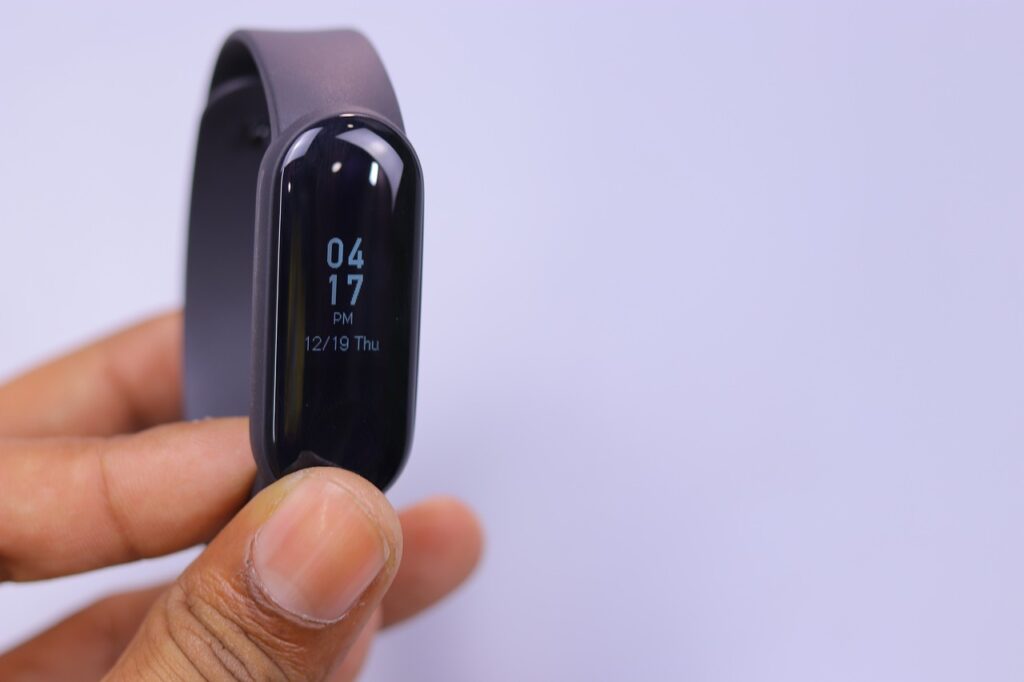
Fitness trackers and apps are extremely popular for a reason. They’re easy to use and can track a wide range of metrics, including steps, calories burned, heart rate, and even sleep patterns.
| Brand | Features | Price Range |
|---|---|---|
| Fitbit | Steps, Heart Rate, Sleep, Workouts | $50 – $300 |
| Apple Watch | Fitness Monitoring, Apps, Notifications | $200 – $500 |
| Garmin | GPS, Heart Rate, Advanced Metrics | $100 – $600 |
Journals and Notebooks
For those who prefer the traditional method, a journal or notebook can be just as effective. Writing down your workouts, weights, repetitions, and how you felt each day can give you a comprehensive overview of your progress. Plus, there’s something undeniably satisfying about physically writing things down.
Spreadsheets
If you prefer a more structured way to monitor your progress, spreadsheets can offer customizable and detailed tracking capabilities. Programs like Microsoft Excel or Google Sheets are great for creating personalized templates.
Photos and Videos
Sometimes progress isn’t reflected in numbers alone. Taking photos or videos can provide you with a visual representation of your hard work. It’s easy to forget where you started, and progress pictures can be incredibly motivating.
Metrics to Track
Knowing which metrics to track depends on what your specific goals are. Below are some commonly tracked metrics in workout routines.
Weight and Body Measurements
If weight loss or muscle gain is your goal, tracking your weight and body measurements can provide useful insights.
| Measurement | Ideal Frequency |
|---|---|
| Weight | Weekly |
| Waist | Monthly |
| Chest | Monthly |
| Hips | Monthly |
| Biceps | Monthly |
Strength Metrics
For those focused on strength training, tracking your weights and repetitions is crucial.
| Exercise | Repetitions | Weight | Date |
|---|---|---|---|
| Bench Press | 10 | 135 lbs | Jan 1, 2023 |
| Squat | 12 | 185 lbs | Jan 1, 2023 |
| Deadlift | 8 | 225 lbs | Jan 1, 2023 |
Cardiovascular Endurance
For individuals aiming to improve their cardiovascular health, tracking metrics like running distance, time, and heart rate can be beneficial.
| Activity | Distance | Time | Average HR | Date |
|---|---|---|---|---|
| Running | 5 miles | 40 mins | 145 bpm | Jan 1, 2023 |
| Cycling | 10 miles | 30 mins | 130 bpm | Jan 2, 2023 |
Flexibility and Mobility
Tracking progress in flexibility can also be important, especially if you’re into activities like yoga.
| Pose | Duration | Depth Reached | Date |
|---|---|---|---|
| Forward Bend | 1 min | Touch toes | Jan 1, 2023 |
| Downward Dog | 1 min | Heels near floor | Jan 2, 2023 |
Creating a Consistent Routine
Consistency is key when it comes to tracking your progress. Without regular updates, your data will be incomplete, and it will be harder to see the trends.
Setting Reminders
To ensure you’re regularly updating your progress, set reminders on your phone or calendar. Decide on specific days and times to record your metrics, and stick to this schedule.
Creating a Routine
Incorporate data tracking into your routine. For example, you could weigh yourself every Monday morning, right after you wake up. Make it part of your ritual. When it becomes second nature, you’re more likely to maintain consistency.
Reflecting and Adapting
Periodically review your tracked data to assess your progress and make necessary adaptations to your workout routine. Set aside time each month to evaluate where you are and make adjustments as needed.

Analyzing Your Data
Collecting data is just the first step. Knowing how to analyze it effectively is equally important.
Look for Trends
While daily fluctuations are normal and don’t always indicate real progress, looking at broader trends over weeks or months will provide a more accurate picture of your progress. Notice the peaks and valleys and understand what might have caused them.
Assess Your Goals
Periodically assess whether the goals you’re tracking are still aligned with your overall fitness ambitions. Your objectives may evolve over time, and your tracking habits should adapt accordingly.
Adjust Your Routine
Based on your data analysis, make informed decisions about how to adjust your workout routine. If you see consistent improvements in one area but stagnation in another, you can tweak your exercises to address the weaker areas.
Staying Motivated
Maintaining motivation over the long term can be challenging. The good news is that seeing tangible evidence of your progress can keep you going.
Celebrate Milestones
By tracking your progress, you’ll be able to see when you hit certain milestones. Whether it’s lifting a certain weight, running a specific distance, or losing the first ten pounds, take the time to celebrate these achievements.
Share Your Achievements
Sharing your milestones with friends or on social media can give you an extra boost of encouragement. Positive reinforcement from those around you can be very motivating.
Daily Reminders
Keep reminders of your progress visible. Whether it’s a chart on the wall, a saved photo on your phone, or a fitness tracker dashboard, having constant visual reminders of your progress can be very inspiring.
Overcoming Common Challenges
Every journey has its obstacles. Here are some common challenges and how to overcome them.
Inconsistent Data
Life happens, and sometimes you may miss a day or two of tracking. It’s important not to get discouraged. If you miss some entries, simply pick it back up when you can.
Comparing With Others
Remember, your fitness journey is unique to you. Comparing your progress to someone else’s can often lead to frustration. Focus on your own improvements and celebrate your personal achievements.
Lack of Visible Progress
Progress isn’t always immediately visible. Sometimes you may be making internal improvements that aren’t evident in your appearance or workout stats. Be patient and keep going; consistency will pay off.
Customizing Your Tracking Approach
There’s no one-size-fits-all method for tracking progress. Tailor your tracking to fit your specific needs and goals.
Specific to Goals
If muscle gain is your goal, you might focus more on strength metrics and body measurements. Conversely, if you aim to improve cardiovascular health, tracking running distances and heart rate might be more relevant.
Flexible Formats
Feel free to mix and match various tracking methods. You might use an app for daily updates but keep a journal for more reflective entries. Do what works best for you and feels the most sustainable.
Regular Reviews
Customizing your tracking system isn’t a one-time task. Regularly review your methods and make necessary adjustments to fit your evolving goals and routines.

Conclusion
Tracking your progress in workout routines can be incredibly rewarding and offers numerous benefits. By understanding the metrics to track, using the right tools, and consistently analyzing your data, you can make informed decisions that greatly enhance your fitness journey. Different methods suit different people, so don’t hesitate to experiment until you find what resonates with you. Above all, remain consistent, stay motivated, and celebrate your achievements along the way. Happy fitness journey!