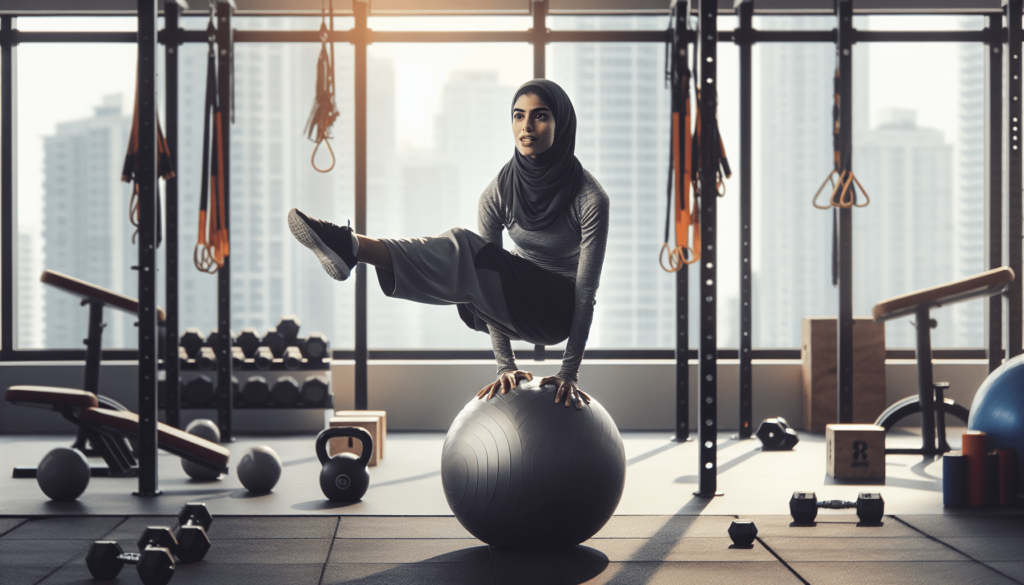
Have you ever wondered how improving your balance can take your fitness routine to the next level? Whether you’re an experienced athlete or someone who enjoys staying fit, you might find that incorporating balance training into your advanced routine can bring surprising benefits not just for your workouts but also for your everyday activities. Let’s dive into why balance training is essential and how you can seamlessly integrate it into your regimen for maximum gains.

Why Balance Training?
Balance training is often overlooked, especially in advanced fitness routines. You might focus heavily on strength, cardio, and flexibility, but neglecting balance can create gaps in your overall fitness. Incorporating balance training can enhance your physical stability, coordination, and even mental concentration.
Beyond these benefits, improved balance can lead to better performance in all sorts of physical activities. Whether you’re lifting weights, running, or participating in sports, balance exercises can help you maintain control and power, while also reducing your risk of injury.
The Science Behind Balance Training
Balance is your body’s ability to maintain its center of mass over its base of support. This involves the coordinated function of your nervous system, muscles, and bones. There are two types of balance:
- Static Balance: The ability to maintain a position without moving, like standing on one leg.
- Dynamic Balance: The ability to maintain stability while moving, like walking or running.
Both forms are critical for your overall performance and functionality.
Key Components of Balance
- Proprioception: Your body’s ability to understand its position in space.
- Strength: Muscle strength to support and hold different positions.
- Vision: Visual cues help in maintaining the balance by providing information about your surroundings.
- Vestibular System: Located in your inner ear, it helps in sensing movement and maintaining equilibrium.
Incorporating Balance Training into Your Routine
Assessing Your Balance Level
Before jumping into advanced balance exercises, it’s important to know your current balance level. You can start by performing simple tests such as:
- Single-Leg Stand: Stand on one foot and see how long you can hold the position without wobbly.
- Heel-to-Toe Walk: Walk in a straight line placing the heel of one foot directly in front of the toes of the opposite foot.
Record your results to measure your progress over time.
Basic Balance Exercises
If you find that you need to build a stronger base, start with simple exercises. These can create a solid foundation for more complex movements.
- Standing on One Foot: Hold for 30 seconds on each foot.
- Tandem Walk: Walk heel-to-toe in a straight line.
- Balance Walk: Lift your arms to shoulder height, lift a leg and bring your opposite arm forward.
Intermediate Balance Exercises
Once you’re comfortable with the basics, you can move onto more challenging exercises which incorporate additional elements like strength and flexibility.
- Single-Leg Deadlift: This exercise engages your core while also improving your leg strength and balance.
- Bosu Ball Squats: Perform squats on a Bosu ball to create an unstable surface that forces you to engage stabilizing muscles.
- Plank with Leg Lift: While holding a plank, lift one leg at a time without losing your form.
Advanced Balance Exercises
When you’re confident in your intermediate skills, it’s time to incorporate more complex movements into your routine.
- Pistol Squats: A one-legged squat that requires significant strength and balance.
- Standing Yoga Poses: Such as the Tree Pose or Warrior III, which require holding challenging positions.
- Advanced Bosu Ball Exercises: Like push-ups, burpees, or lunges on a Bosu ball.
Progressive Balance Training Program
To integrate balance training effectively, you can follow a progressive plan. Here’s an example to get you started.
| Week | Goal | Recommended Exercises |
|---|---|---|
| 1-2 | Foundation | Single-Leg Stand, Tandem Walk, Balance Walk |
| 3-4 | Strength | Single-Leg Deadlift, Stability Ball Sit-to-Stand, Slow High Knees |
| 5-6 | Coordination | Bosu Ball Squats, Plank with Leg Lift, Core Twists |
| 7-8 | Advanced | Pistol Squats, Standing Yoga Poses, Advanced Bosu Ball Exercises |

Combining Balance with Other Training Modalities
Strength Training
Balance training complements strength training by engaging stabilizing muscles that often go unnoticed. Incorporating balance elements into your strength workouts can amplify the benefits.
- Single-Leg Squats: Add to leg day to improve balance.
- Stability Ball Exercises: Such as chest presses or leg curls.
- Dynamic Movements: Incorporate moves like lunges on an unstable surface.
Cardiovascular Training
Including balance drills within your cardio sessions can make for a more effective workout.
- Balance Intervals: Integrate short balance-focused intervals, such as marching in place on a foam pad.
- Plyometric Drills: Exercises like jumping onto and off platforms can enhance both balance and cardiovascular endurance.
Flexibility Training
Balance and flexibility often go hand in hand. Yoga and Pilates are great for this purpose.
- Tree Pose: A classic yoga pose that promotes both balance and flexibility.
- Dynamic Stretching: Perform stretches that involve balance like standing hamstring stretches.
Tools and Equipment for Balance Training
Using specific tools can help in making your balance training more effective.
Bosu Ball
One of the most versatile pieces of equipment, it can be used for squats, lunges, push-ups, and many more exercises.
Balance Board
This can be used to challenge your balance further, great for lower-body exercises.
Stability Ball
Works well for both strength and balance, especially for core exercises.
Foam Pad
This creates an unstable surface to perform basic exercises on, making them more challenging.

Customizing Your Balance Training
For Athletes
Depending on your sport, you can focus on specific balance exercises that mimic your movements.
- Soccer Players: Drills like single-leg squats and plyometrics.
- Swimmers: Core stability exercises on balance boards.
For Older Adults
Balance training becomes more critical as you age. Simple, safe exercises can help maintain functional balance and prevent falls.
- Chair Sit-to-Stands: Enhances leg strength and balance.
- Heel-to-Toe Walks: Improves coordination and stability.
For Rehabilitation
After an injury, customized balance exercises can assist in recovery.
- Proprioceptive Exercises: Using tools like balance boards.
- Low Impact Drills: Initial exercises should be low impact to prevent further injuries.
Tracking Your Progress
Keep track of how your balance improves over time. Here are ways to measure progress:
- Journal: Keep a log of exercises, duration, and any changes in stability.
- Digital Apps: Use fitness apps designed to track balance training progress.
- Performance Tests: Monthly re-tests of initial assessments to measure improvements.

Common Mistakes to Avoid
Lack of Variation
Doing the same exercises can lead to plateaus. Mix things up to keep your muscles challenged.
Overdoing It
Start slow and build up your intensity. Over-exerting yourself can increase injury risk.
Ignoring Core Strength
A strong core is crucial for balance. Make sure to include core-strengthening exercises in your routine.
Conclusion
Incorporating balance training into your advanced routine can unlock a host of physical and mental benefits, improving your overall fitness and athletic performance. By progressing through various levels and integrating balance exercises with other training modalities, you can build a well-rounded and effective fitness regimen. Tailoring your approach based on your specific needs and goals will ensure that you maximize the benefits of balance training. Keep track of your progress and avoid common pitfalls to maintain your balance journey’s effectiveness. Ready to step up your game? Your optimal balance awaits!