
Have you ever considered taking your fitness journey to the next level but felt unsure about where to start? Investing in a personal trainer for customized workout routines could be the key to unlocking a healthier and more active lifestyle. This personalized approach not only motivates you but ensures that your workouts are tailored to your specific needs, achieving faster and more sustainable results.
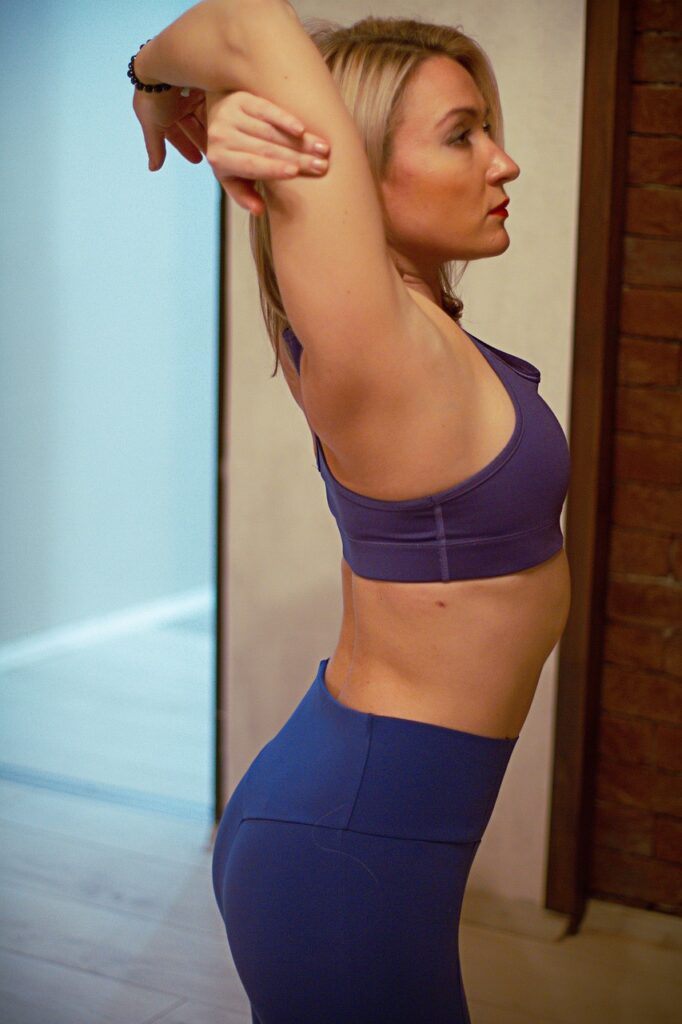
Why Choose a Personal Trainer?
There are multiple reasons why someone might decide to work with a personal trainer. The focus here will be on how a personal trainer can provide customized workout routines to help you achieve your fitness goals.
Personalized Attention
Working with a personal trainer means all the attention is on you. Your trainer will assess your fitness level, consider your goals, and create a workout plan that fits your needs. This personalized attention helps you focus on the exercises that will benefit you the most.
Educational Value
A personal trainer comes equipped with knowledge and expertise. They teach you how to perform exercises correctly, reducing the risk of injury. You’ll also learn valuable tips on maintaining a healthier lifestyle, covering aspects such as diet and recovery.
Motivation and Accountability
One of the toughest parts of a fitness routine is staying motivated. A personal trainer can be a motivating force, pushing you to reach your goals. They help you stay accountable, ensuring you remain consistent and dedicated.
Benefits of Customized Workout Routines
Customized workout routines designed by personal trainers offer a range of advantages that standard plans simply cannot provide. Let’s delve into some of these benefits.
Tailored to Your Fitness Level
Whether you’re a beginner, intermediate, or advanced fitness enthusiast, a customized workout plan is designed to match your fitness level. This ensures that you are neither overtraining nor undertraining, striking the perfect balance for maximal results.
Injury Prevention
Proper form and technique are crucial for avoiding injuries. A personal trainer ensures that you practice exercises correctly, adapting the routine to accommodate any existing conditions or limitations you might have.
Efficient Use of Time
A well-structured, customized workout plan ensures that each session is effective and time-efficient. You won’t waste time on exercises that do not benefit you, making your workout sessions more productive.
Milestone Tracking
A customized workout routine allows for the consistent tracking of your progress. Your personal trainer can adjust your plan as you reach certain milestones, keeping you on track to meet your long-term goals.

How Personal Trainers Customize Workout Routines
The customization of a workout plan involves several steps. Here’s a closer look at how personal trainers go about tailoring a workout routine just for you.
Initial Fitness Assessment
Your journey begins with an initial fitness assessment. The trainer will evaluate your current fitness level, discuss your medical history, and understand your fitness goals. This could include measurements of body fat, strength tests, and endurance assessments.
Common Evaluation Metrics:
| Metric | Description |
|---|---|
| Body Fat Percentage | Measures the percentage of fat in your body |
| VO2 Max | Assesses aerobic endurance |
| Strength Tests | Evaluates the maximum amount of force you can exert |
| Flexibility Tests | Measures the range of motion in your joints |
| Functional Movement | Assesses how well you perform basic movements |
Setting Goals
After the assessment, the next step is goal-setting. Whether you’re aiming to lose weight, build muscle, or improve overall fitness, setting clear, achievable goals is crucial.
Example Goals:
| Goal Type | Example |
|---|---|
| Weight Loss | Lose 10 pounds in 2 months |
| Muscle Gain | Increase muscle mass by 5% in 3 months |
| Endurance | Run a 5K race within 8 weeks |
Creating the Workout Plan
With your goals in mind, the trainer will design a personalized workout plan. This includes selecting exercises that target the specific areas you want to improve.
Components of a Workout Plan:
| Component | Details |
|---|---|
| Warm-up | Prepares your body for exercise, preventing injuries |
| Core Exercises | Focuses on strength, endurance, and flexibility |
| Cool Down | Helps your body recover and prevents stiffness |
Regular Updates and Adjustments
A key benefit of working with a personal trainer is having your plan regularly updated. As you progress, your trainer will tweak the workout to continue challenging you and to keep you aligned with your evolving fitness goals.
The Cost of Investing in a Personal Trainer
Cost is an important factor when considering whether to invest in a personal trainer. Prices can vary based on the trainer’s level of expertise, location, and the frequency of your sessions.
Understanding the Pricing Structure
Personal trainers usually charge per session, but packages can offer cost savings. Consider the value you’re getting—the expertise, personalized plans, and ongoing motivation—when evaluating the cost.
General Pricing Guide:
| Type of Trainer | Cost Per Session |
|---|---|
| Entry-Level Trainer | $30 – $50 |
| Intermediate Trainer | $50 – $100 |
| Elite Trainer | $100 and up |
Is It Worth the Investment?
The benefits of having a personalized workout plan can outweigh the cost, especially when considering long-term health benefits and how much faster you can reach your goals. Think of it as an investment in your health and well-being, which can save you money on medical bills in the long run.

How to Find the Right Personal Trainer
Finding the right personal trainer can make a huge difference in your fitness journey. The tips below will help you make an informed decision.
Qualifications and Certifications
Ensure your personal trainer is qualified and certified by a reputable organization, such as the American Council on Exercise (ACE) or the National Strength and Conditioning Association (NSCA).
Experience and Specializations
Look for a trainer with experience, especially if you have specific goals like training for a marathon or rehabilitating an injury. Specialized trainers bring additional expertise to the table, ensuring more personalized guidance.
Compatibility and Communication
Your personal trainer should be someone you feel comfortable with. Schedule a consultation to see if their training style matches your preferences. Open and clear communication is key to a successful trainer-client relationship.
Criteria for Evaluating Compatibility:
| Criteria | Questions to Consider |
|---|---|
| Training Style | Do they have a coaching approach that suits you? |
| Communication | Are they good at explaining exercises? |
| Personality Fit | Do you feel motivated and comfortable with them? |
Making the Most Out of Your Personal Training Sessions
Once you’ve chosen your personal trainer, it’s important to maximize the efficacy of your training sessions.
Be Punctual and Prepared
Always arrive on time and ready to work out. Bring all necessary gear, such as water, a towel, and appropriate footwear.
Communicate Openly
Always communicate with your trainer about how you’re feeling. If an exercise feels too difficult or you experience any pain, let them know immediately.
Follow the Plan
Stick to the workout plan your trainer has provided, even outside of training sessions. Consistency is key to achieving your fitness goals.
Success Stories and Testimonials
Hearing from others who have benefited from personal training can be inspiring and reassuring.
Real-Life Examples
Consider reading testimonials or case studies of people who have achieved their fitness goals with the help of a personal trainer. This can not only inspire you but also give you realistic expectations of what to anticipate.
Success Story:
| Name | Goal | Result |
|---|---|---|
| John Doe | Lose 20 pounds | Lost 22 pounds in 4 months |
| Jane Smith | Run a marathon | Completed marathon in 6 months of training |
Monitoring and Tracking Progress
It’s crucial to monitor your progress to understand how far you’ve come and what adjustments are needed in your workout routine.
Using Technology
Modern fitness apps and wearables can help you track your workouts, monitor your heart rate, and count calories burned. Your personal trainer can review this data to make informed adjustments to your plan.
Regular Check-Ins
Schedule regular check-ins with your trainer to review your progress. This could include physical assessments and discussions about how you’re feeling.
Effective Tracking Tools:
| Tool Type | Examples |
|---|---|
| Wearables | Fitbit, Garmin, Apple Watch |
| Fitness Apps | MyFitnessPal, Strava, Nike Training Club |
| Journals | Handwritten logs for workouts and meals |
Overcoming Common Challenges
Even with a personal trainer, you may face challenges. Understanding how to overcome these will help you stay on track.
Dealing with Plateaus
Fitness plateaus can be frustrating. Discuss with your trainer about possible changes in your routine, such as varying the intensity or trying new exercises to “shock” your system.
Time Management
Struggling to find time for workouts? Your trainer can help you design shorter, high-intensity routines that fit your schedule while still being effective.
Staying Motivated
Sometimes motivation wanes. Your trainer can provide different types of workouts or incentives to keep your fitness journey exciting and engaging.
The Long-Term Benefits of Customized Workout Routines
While immediate results are rewarding, the long-term benefits are where the real value lies. Staying committed to a personalized plan has merits that extend beyond physical appearance.
Improved Health Metrics
Regular workouts can help lower blood pressure, improve cardiovascular health, and balance cholesterol levels. You’ll likely see significant improvements in various health metrics over time.
Enhanced Mental Well-being
Physical activity is known to boost mental health. A regular, personalized workout routine can help alleviate stress, anxiety, and even symptoms of depression. Improved mood and mental clarity are often reported by those who regularly engage in custom workouts.
Sustainable Habits
By following a personalized plan, you’re more likely to build sustainable fitness habits. These are habits that can stick with you for life, ensuring you stay healthy and fit long-term.
Conclusion
Investing in a personal trainer for customized workout routines offers countless benefits. From personalized attention, educational value, and motivation, to the significant advantages of tailored workouts—everything works in harmony to help you reach your fitness goals efficiently and safely. With the right personal trainer, you can transform your fitness journey, making it more effective, enjoyable, and aligned with your individual needs. Take the plunge and discover how a customized approach can make all the difference in achieving a healthier, happier you.