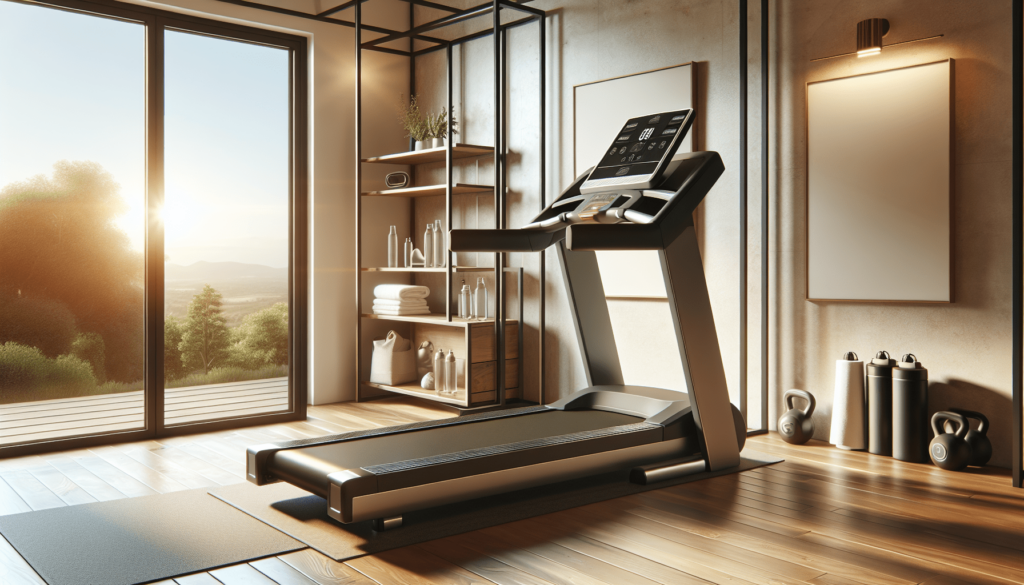
Are you considering making an investment in your health by purchasing a treadmill for home use? Choosing the right treadmill can be a substantial commitment, so it’s essential to know what features to look for to suit your needs and preferences. By understanding the key features, you can make a well-informed decision that supports your fitness goals and fits seamlessly into your lifestyle.

Why a Treadmill for Home Use?
A treadmill is one of the most convenient and versatile pieces of fitness equipment you can have at home. It allows you to walk, jog, or run regardless of the weather conditions outside. Having a treadmill at home means you can work out at any time that fits your schedule, making it easier to maintain a consistent exercise routine.
Important Factors to Consider
Before diving into the specific features, let’s talk about some overarching factors that should guide your decision.
Budget
Your budget is a significant factor that will narrow down your options. Treadmills can range from a few hundred to several thousand dollars. Keep in mind that while more expensive models often come with advanced features, you can find budget-friendly options that meet basic needs.
Space Availability
Consider the space where you plan to place the treadmill. Measure the area and compare it with the dimensions of treadmills you’re interested in. Also, think about storage; some treadmills offer folding designs to save space when not in use.
Fitness Goals
Identify your primary fitness goals. Are you looking to lose weight, improve cardio fitness, or prepare for a marathon? Your goals will influence which features are most important in your treadmill selection.
User Weight and Height
Check the treadmill’s specifications for user weight capacity and belt size. Ensure it can comfortably accommodate all potential users in your household.

Key Features to Consider
Now, let’s break down the specific features you should look for when buying a treadmill.
Motor Power
The motor is the heart of your treadmill. Motor power is measured in horsepower (HP). There are two types of horsepower ratings: peak duty and continuous duty.
| Motor Type | Description | Suitable For |
|---|---|---|
| Peak Duty | Indicates the maximum power the motor can produce. | Short, intense workouts. Not ideal for extended use. |
| Continuous Duty | Reflects the motor’s ability to maintain a certain power level over extended periods. | Better for consistent use and longer workouts. |
For home use, aim for a continuous duty motor with at least 2.5 HP. If you’re a more serious runner or anticipate multiple users, a higher-powered motor (3.0 HP or more) might be necessary.
Running Surface
The running surface or belt size is crucial for comfort and safety. A longer and wider surface is more accommodating, especially if you have a longer stride or plan to run at higher speeds.
| User Height | Recommended Belt Size |
|---|---|
| Under 6 feet | Minimum 20″ x 55″ |
| Over 6 feet | Minimum 22″ x 60″ |
A larger running surface provides better stability and reduces the risk of missteps, especially during intense workouts.
Speed and Incline Options
Different treadmills offer varying maximum speeds and incline levels. If you’re a serious runner, look for a treadmill that can reach at least 12 mph. For those focusing on walking or jogging, a maximum speed of 8-10 mph might suffice.
Incline settings add versatility to your workouts by simulating uphill terrains, which can help burn more calories and strengthen different muscle groups. Look for a treadmill that offers at least a 10-15% incline.
Cushioning System
One of the benefits of using a treadmill over running on pavement is reduced impact on your joints. A good cushioning system can absorb shock and provide a more comfortable workout. Pay attention to the treadmill’s shock absorption features, especially if you have joint issues or prefer longer running sessions.
Console and Display
The console and display are your command centers, providing essential information and control over your workout. Key elements to consider include:
- Readability: Ensure the display is easy to read, even in different lighting conditions.
- Metrics: Look for basic metrics such as speed, distance, time, calories burned, and heart rate. Advanced features may include workout programs, virtual courses, and app integrations.
- User Profiles: Some treadmills allow multiple user profiles, making it convenient for different household members to track their progress.
Safety Features
Safety should never be compromised. Here are some important safety features to look for:
- Emergency Stop: An easy-to-reach safety key that you can pull to immediately stop the treadmill.
- Handrails: Provide stability and support, particularly helpful for beginners or those with balance concerns.
- Deck Lock: If the treadmill is foldable, ensure it has a secure locking mechanism to prevent accidental unfolding.
Built-in Programs and Connectivity
Many modern treadmills come equipped with built-in workout programs ranging from interval training to heart rate control. These programs can help keep your workouts varied and engaging.
Connectivity
Some treadmills offer Bluetooth or Wi-Fi connectivity, allowing you to sync with fitness apps, track your progress over time, and even stream entertainment like music or TV shows to keep you motivated during your workout.
Durability and Warranty
Investing in a treadmill is a long-term commitment, so durability is crucial. Look for treadmills made from high-quality materials, with a robust frame and reliable electronics. Most reputable brands offer warranties on their treadmills, which can be a good indicator of the product’s quality and longevity. Typically, you’ll find:
| Component | Common Warranty Coverage |
|---|---|
| Motor | 5-10 years |
| Frame | Lifetime |
| Parts | 1-3 years |
| Labor | 1 year |
Be sure to read the fine print and ensure you understand what’s covered.
Noise Level
A noisy treadmill can be a deal-breaker, especially in shared living spaces or apartments. Look for models known for their quiet operation, often highlighted in customer reviews. Some treadmills come with additional noise reduction features.
Foldability and Portability
If you’re short on space, consider a foldable treadmill. These models can be easily stored when not in use, freeing up valuable floor space. Check how easy it is to fold and move the treadmill; some come with hydraulic assistance and transport wheels for added convenience.
Price Versus Value
While price is important, it shouldn’t be your sole deciding factor. Balance the cost with the features you need. Sometimes, paying a bit more upfront can save you money and hassle in the long run by avoiding costly repairs or replacements.
Top Treadmill Brands to Consider
Brand reputation matters when investing in a treadmill. Here are some well-regarded brands known for their quality and reliability:
NordicTrack
NordicTrack offers a range of treadmills packed with features, including interactive training, incline/decline capabilities, and sturdy builds. They are known for their integration with iFit, providing a vast library of workouts and automatic trainer adjustments.
ProForm
ProForm is another brand that balances affordability with feature sets. Their treadmills often include built-in workout programs, iFit compatibility, and solid construction.
Sole Fitness
Sole Fitness treadmills are celebrated for their durability and simple, user-friendly interfaces. They typically offer strong motors, large running surfaces, and extended warranties.
Horizon Fitness
Horizon Fitness treadmills are a great option for budget-conscious buyers without compromising on quality. They offer a good range of features, from basic to advanced models, catering to various fitness levels.
LifeSpan Fitness
LifeSpan Fitness focuses on integrating wellness into everyday life. Their treadmills range from sturdy home gym models to under-desk options, emphasizing innovative features for daily activity.

Common Mistakes to Avoid
Ignoring User Reviews
User reviews can provide real-world insights into the pros and cons of a treadmill model. Look for reviews on multiple platforms to get a balanced perspective.
Overlooking Maintenance
Every treadmill requires some maintenance, like lubrication of the belt and cleaning of the motor. Ensure you understand the maintenance needs and that you’re comfortable performing them or outsourcing if necessary.
Skipping the Test Run
If possible, test the treadmill before buying. Whether you visit a store or a friend’s home, get a feel for the treadmill’s operation, noise level, and comfort.
Conclusion
Buying a treadmill for home use is a significant investment in your health and well-being. By considering factors such as motor power, running surface, incline, cushioning, and additional handy features, you can choose a treadmill that aligns with your fitness goals and personal preferences.
Remember to balance cost with value, paying attention to warranties and durability. Whether you prefer a simple model or a high-tech machine with all the bells and whistles, the right treadmill can make a world of difference in helping you maintain a consistent and enjoyable fitness routine. So take your time, do your research, and select a treadmill that will be your trusty companion on your path to better health.