
Have you ever finished a workout feeling determined, only to be greeted the next day by relentless muscle soreness? It’s a common experience for many fitness enthusiasts. But did you know that the foods you eat can play a significant role in lessening that post-workout discomfort? Let’s explore the key foods that can help reduce muscle soreness after a workout.

Understanding Muscle Soreness
Why Do Muscles Get Sore?
Muscle soreness, or Delayed Onset Muscle Soreness (DOMS), often appears 24 to 48 hours after physical activity. It’s your muscles’ way of repairing tiny tears that occur during exercise. DOMS can make everyday activities challenging, but it’s also a sign that your muscles are growing stronger. Proper nutrition can support faster recovery.
Symptoms of Muscle Soreness
Muscle soreness can range from mild discomfort to severe pain. Common symptoms include:
- Tenderness
- Stiffness
- Swelling
- Reduced muscle strength
Understanding that these symptoms are a natural part of the recovery process can help you tackle them with the right approach, particularly through your diet.
The Connection Between Diet and Muscle Recovery
Nutrients That Aid Muscle Recovery
Certain nutrients can significantly aid in muscle recovery, reducing soreness and accelerating the healing process:
| Nutrient | Role in Muscle Recovery |
|---|---|
| Protein | Repairs and rebuilds muscle fibers |
| Carbohydrates | Replenishes glycogen stores, providing energy |
| Antioxidants | Reduces inflammation and oxidative stress |
| Omega-3 Fatty Acids | Fights inflammation and aids in recovery |
| Electrolytes | Maintains fluid balance and proper muscle function |
Importance of Hydration
Staying hydrated is vital for reducing muscle soreness. Water helps transport nutrients to your muscles and flushes out toxins. Aim to drink plenty of water before, during, and after your workouts.

Best Foods to Include in Your Post-Workout Diet
Protein-Rich Foods
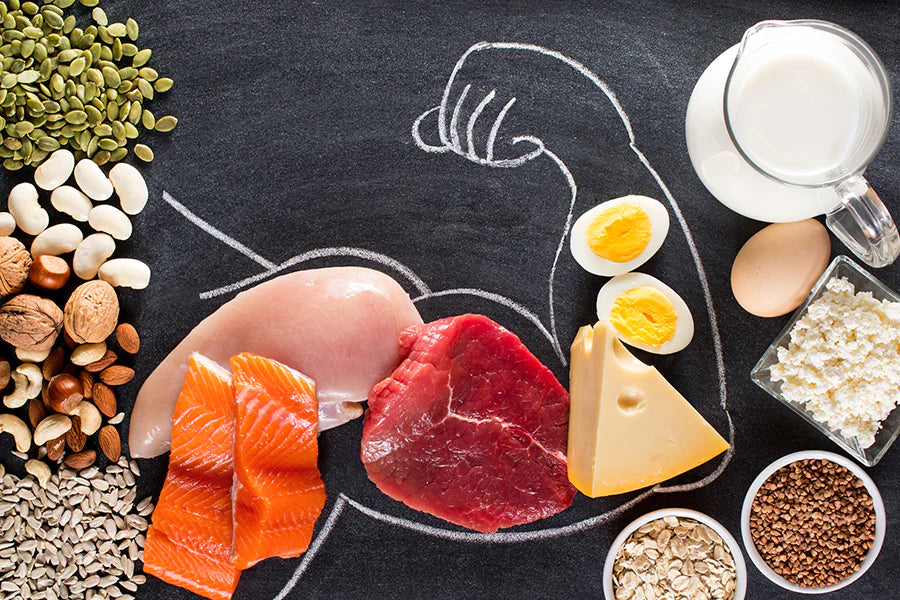
Protein is essential for muscle repair. Consuming protein after a workout can reduce muscle soreness and enhance muscle recovery.
Chicken Breast
Chicken breast is a lean source of protein, making it a perfect post-workout meal component. It helps build and repair muscle tissues effectively.
Eggs
Eggs are a complete protein source, containing all essential amino acids. They are versatile and easy to prepare, providing a quick protein fix.
Greek Yogurt
Greek yogurt is packed with protein and can be paired with fruits for added benefits. It’s also a good source of probiotics, which can aid digestion.
Carbohydrate-Rich Foods
Carbohydrates replenish glycogen stores depleted during exercise. Combining carbs with protein can optimize recovery.
Sweet Potatoes
Sweet potatoes are rich in complex carbohydrates and micronutrients like vitamin A and C. They provide sustained energy and help in muscle recovery.
Quinoa
Quinoa is a complete protein source and high in carbs. It’s also packed with fiber, vitamins, and minerals, making it a well-rounded post-workout food.
Foods Rich in Antioxidants
Antioxidants fight oxidative stress from intense workouts. Incorporating them into your diet can help reduce muscle soreness.
Berries
Berries like blueberries, strawberries, and raspberries are loaded with antioxidants. They help reduce inflammation and muscle damage.
Tart Cherry Juice
Tart cherry juice is known for its potent anti-inflammatory properties. Consuming it post-workout can significantly reduce muscle soreness and improve recovery.
Omega-3 Fatty Acids
Omega-3 fatty acids have strong anti-inflammatory effects. Including foods rich in omega-3s can enhance muscle recovery.
Fatty Fish
Fish such as salmon, mackerel, and sardines are high in omega-3 fatty acids. They help reduce inflammation and muscle damage.
Chia Seeds
Chia seeds are an excellent plant-based source of omega-3s. They can be added to smoothies, yogurt, or salads for an extra nutritional boost.
Electrolyte-Rich Foods
Electrolytes like potassium, magnesium, and calcium are crucial for muscle function. Replenishing them post-workout can relieve muscle soreness.
Bananas
Bananas are rich in potassium, an essential electrolyte for muscle function. They are easy to digest and can be eaten alone or added to smoothies.
Spinach
Spinach is a good source of magnesium and calcium. Incorporating it into salads or smoothies can help maintain electrolyte balance and support muscle recovery.
Hydrating Foods
Foods with high water content can help keep you hydrated, aiding in muscle recovery.
Watermelon
Watermelon is hydrating and provides vitamins A and C. Its high water content can help prevent dehydration.
Cucumbers
Cucumbers are another hydrating food, rich in water and essential nutrients. Adding them to your meals can keep you refreshed and aid recovery.
Creating Your Post-Workout Meal Plan
Sample Meal Plan
Creating a balanced post-workout meal plan can ensure you get the right nutrients for muscle recovery. Here’s an example of a daily meal plan:
| Meal | Foods Included |
|---|---|
| Breakfast | Greek yogurt with berries and a sprinkle of chia seeds |
| Mid-Morning Snack | Hard-boiled eggs and a piece of fruit |
| Lunch | Grilled chicken breast with quinoa and spinach salad |
| Afternoon Snack | Tart cherry juice and a banana |
| Dinner | Baked salmon with sweet potatoes and steamed broccoli |
Tips for Meal Preparation
- Batch Cooking: Prepare large batches of protein-rich foods like chicken breast and quinoa to save time.
- Snack Ready: Keep healthy snacks like hard-boiled eggs or yogurt on hand for a quick protein boost after workouts.
- Stay Hydrated: Always have a water bottle with you to ensure you stay hydrated throughout the day.

The Role of Supplements
When to Consider Supplements
While whole foods are the best source of nutrients, supplements can sometimes be necessary. Consider using supplements if:
- You have dietary restrictions limiting your nutrient intake.
- You have increased nutritional needs due to high-intensity training.
- It’s challenging to consume enough nutrients from food alone.
Common Supplements for Muscle Recovery
Protein Powder
Protein powders can provide a quick and convenient protein source. They come in various forms, including whey, casein, and plant-based options.
Omega-3 Supplements
Fish oil or algae-based supplements can help increase your omega-3 intake if you’re not getting enough from food.
Antioxidant Supplements
Supplements like vitamin C and E can support muscle recovery by reducing oxidative stress. However, they should be used judiciously and not replace a diet rich in fruits and vegetables.
Listening to Your Body
Recognizing Signs of Overtraining
While it’s crucial to push your limits, overtraining can lead to prolonged muscle soreness and injuries. Recognize signs of overtraining such as:
- Persistent fatigue
- Irritability
- Decreased performance
- Longer recovery times
Balancing Workouts and Recovery
Ensure you balance intense workouts with adequate recovery time. Incorporating rest days and active recovery activities, like stretching or light yoga, can enhance your overall performance and reduce muscle soreness.
Conclusion
Reducing muscle soreness after a workout involves more than just toughing it out. The foods you eat play a crucial role in your recovery process. By incorporating protein-rich foods, carbs, antioxidants, omega-3s, and electrolytes into your post-workout diet, you can support muscle repair and reduce soreness. Always listen to your body and ensure you stay hydrated and balanced in your workout and recovery routine. Eating the right foods is the key to making your fitness journey more enjoyable and effective.