
Do you ever wonder what foods you should be eating after an intense workout to help your muscles recover? If you’re dedicated to your fitness goals, you likely understand that what you eat post-workout can be just as crucial as the workout itself. The right nutrients can accelerate muscle recovery, reduce soreness, and prepare you better for your next workout. In this article, you’ll learn about the key foods that can significantly promote muscle recovery after rigorous training sessions.
Importance of Post-Workout Nutrition
When you engage in intense training, your muscles undergo a considerable amount of stress and microscopic damage. This is all part of the process of getting stronger and more resilient. However, without proper nutrition, you risk prolonged soreness, increased chance of injury, and slower progress toward your fitness goals. Feeding your muscles the right nutrients can help repair damage, rebuild stronger tissue, and replenish energy stores.
Key Nutrients for Muscle Recovery
Before diving into specific foods, it’s beneficial to understand the nutrients that play a vital role in muscle recovery. These include:
- Protein: Crucial for muscle repair and growth.
- Carbohydrates: Essential for replenishing glycogen stores.
- Fats: Important for overall health and recovery.
- Vitamins and Minerals: Aid in various bodily functions for optimal recovery.
- Hydration: Ensures your muscles remain supple and flexible.
Protein: The Building Block
Protein is indispensable for muscle repair and growth. During intense training, muscle fibers get broken down, and protein is necessary to build them back up stronger. Aim to consume high-quality protein sources within 30 minutes to two hours post-exercise.
Carbohydrates: Fuel for Recovery
Your muscles use glycogen for energy during workouts. After an intense training session, these glycogen stores are depleted. Eating carbohydrates helps to replenish these stores quickly, which is vital for recovery and energy levels.
Fats: Essential Component
While protein and carbs often get the spotlight, healthy fats shouldn’t be ignored. They support hormone regulation and overall cell health, which is essential for muscle recovery and growth.
Vitamins and Minerals: Small Yet Mighty
Micronutrients like vitamins C and D, calcium, and magnesium play pivotal roles in muscle recovery. For instance, vitamin C helps with collagen formation, whereas magnesium is involved in muscle contraction and relaxation.
Hydration: The Underestimated Factor
Staying well-hydrated ensures that nutrients are transported effectively throughout your body. Dehydration can severely hamper recovery and lead to muscle cramps and fatigue.
Top Foods for Muscle Recovery
Now that you understand the foundational nutrients, let’s get into specific foods that can help you recover faster and more effectively.
Lean Meats
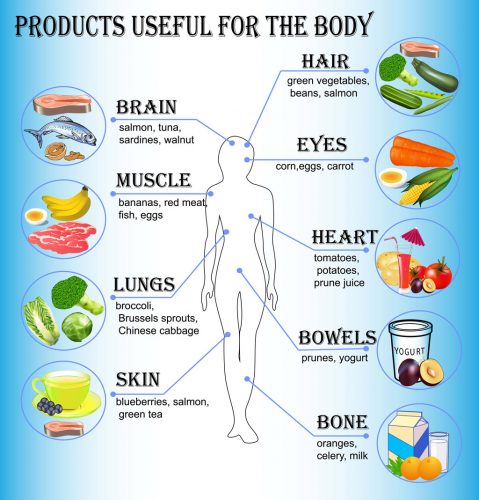
Lean meats such as chicken, turkey, and lean cuts of beef are abundant in high-quality protein, essential for muscle repair and growth.
Benefits:
- High protein content
- Contains creatine
- Rich in essential amino acids
How to Consume: Grilled chicken breast, turkey sandwiches, or lean beef stir-fry are excellent post-workout meals. Pair them with a carbohydrate source like brown rice or sweet potatoes for a balanced meal.
Fish
Fish such as salmon and tuna are excellent sources of both protein and omega-3 fatty acids.
Benefits:
- High in protein
- Rich in omega-3 fatty acids
- Anti-inflammatory properties
How to Consume: A salmon fillet with quinoa or a tuna salad sandwich are both nutritious post-workout options. Omega-3s help reduce inflammation, speeding up muscle recovery.
Eggs
Eggs are a powerhouse of nutrition, offering high-quality protein and essential vitamins and minerals.
Benefits:
- Complete protein source
- Contains leucine, which aids muscle protein synthesis
- Rich in essential vitamins
How to Consume: Eggs are incredibly versatile. You can scramble them, make an omelet, or boil a few to have on the go.
Greek Yogurt
Greek yogurt is a fantastic dairy option high in protein and probiotics.
Benefits:
- High protein content
- Contains live cultures for gut health
- Source of calcium
How to Consume: Pair Greek yogurt with fruits or a drizzle of honey for a delicious and nutritious snack. It’s also a great base for smoothies.
Cottage Cheese
Cottage cheese is another dairy product that is high in protein and casein, which is beneficial for muscle recovery.
Benefits:
- High in casein protein
- Good source of calcium
- Low in fat
How to Consume: Cottage cheese can be enjoyed with fruits, or you can incorporate it into salads and smoothies.
Quinoa
Quinoa is a complete protein source and rich in carbs, making it a superfood for muscle recovery.
Benefits:
- Complete protein
- High in carbs and fiber
- Gluten-free
How to Consume: Use quinoa as a base for salads, or substitute it for rice in various dishes. It provides a substantial amount of both protein and carbohydrates.
Sweet Potatoes
Sweet potatoes are loaded with complex carbohydrates and vitamin A, which is beneficial for cell growth and immune function.
Benefits:
- High in complex carbohydrates
- Rich in vitamins and minerals
- Low glycemic index
How to Consume: Bake or roast sweet potatoes as a side dish or mash them as a healthier alternative to regular potatoes.
Nuts and Seeds
Nuts and seeds are excellent sources of healthy fats, protein, and various essential nutrients.
Benefits:
- High in healthy fats and protein
- Good source of vitamins and minerals
- Anti-inflammatory properties
How to Consume: Snack on almonds, walnuts, or chia seeds, or add them to your salads and yogurt. A small handful can provide a significant nutrient boost.
Berries
Berries such as blueberries, strawberries, and raspberries are high in antioxidants and fiber.
Benefits:
- Rich in antioxidants
- High fiber content
- Anti-inflammatory properties
How to Consume: Add berries to your post-workout smoothies, oatmeal, or Greek yogurt. They can also be enjoyed on their own as a light, refreshing snack.
Bananas
Bananas are a great source of carbs and potassium, which is essential for muscle function.
Benefits:
- High in potassium
- Quick source of energy
- Helps to prevent muscle cramps
How to Consume: Bananas are perfect for a quick snack on the go. Add them to your smoothies or oatmeal for an extra nutrient kick.
Leafy Greens
Leafy greens like spinach, kale, and Swiss chard are nutrient-dense and packed with essential vitamins and minerals.
Benefits:
- High in vitamins and minerals
- Rich in antioxidants
- Low in calories
How to Consume: Add a handful of greens to your smoothies, salads, or sauté them as a side dish. They are incredibly versatile and easy to incorporate into your diet.
Sample Post-Workout Meal Plan
Creating a balanced post-workout meal plan can be straightforward when you know which foods to include. Here is a sample plan to guide you:
| Meal Time | Food Options | Portion |
|---|---|---|
| Immediately Post-Workout | Protein shake with banana | 1 serving |
| 30-60 Minutes Later | Grilled chicken breast with quinoa and spinach salad | Moderate |
| Snack | Greek yogurt with berries and honey | 1 cup yogurt |
| Dinner | Baked salmon with sweet potatoes and roasted veggies | Moderate |
| Evening Snack | Cottage cheese with a handful of mixed nuts | 1/2 cup |

The Role of Timing in Muscle Recovery
Timing can play a pivotal role in the effectiveness of your post-workout nutrition. Ideally, you should consume a mix of protein and carbohydrates within 30 to 60 minutes post-exercise to maximize muscle recovery. This is often referred to as the “anabolic window.” However, recent studies suggest that the window for effective nutrient intake might be more flexible than previously thought, extending up to two hours post-workout.
Pre-Bed Nutrition
Your body continues to repair and grow muscles while you sleep. Consuming a slow-digesting protein like casein (found in dairy products) before bed can be beneficial. Foods like cottage cheese or a casein protein shake are excellent options.
Supplements: Are They Necessary?
Supplements can be a convenient way to ensure you’re meeting your nutritional needs, but they shouldn’t replace whole foods. Common supplements for muscle recovery include whey protein, BCAAs (branched-chain amino acids), and fish oil.
Whey Protein
Whey protein is a fast-digesting protein that can be very beneficial immediately after a workout. It’s rich in essential amino acids and can quickly help in muscle repair and growth.
BCAAs
Branched-chain amino acids are crucial for muscle protein synthesis. They can help reduce muscle soreness and accelerate recovery.
Fish Oil
Fish oil supplements are high in omega-3 fatty acids, which have anti-inflammatory properties and can aid in muscle recovery.

Hydration and Muscle Recovery
Never underestimate the importance of staying hydrated. Water is vital for nearly every bodily function, including nutrient transportation, muscle contraction, and temperature regulation. Dehydration can hinder your performance and slow down muscle recovery.
Tips for Staying Hydrated:
- Drink water regularly throughout the day.
- Make a habit of drinking water immediately post-workout.
- Include water-rich foods like fruits and vegetables in your diet.
- Monitor your urine color; pale yellow usually indicates proper hydration.
Common Misconceptions about Muscle Recovery
Myth: More Protein Is Better
While protein is crucial for muscle recovery, consuming excessive amounts doesn’t necessarily speed up the process. Balance is key. Aim for around 20-30 grams of high-quality protein post-workout for optimal benefits.
Myth: Carbs Aren’t Important
Carbohydrates often get a bad rap, but they are essential for replenishing glycogen stores and providing energy. Neglecting carbs can lead to prolonged soreness and limited recovery.
Myth: Supplements Are More Effective Than Whole Foods
While supplements can be beneficial, they should not replace whole foods. Whole foods provide a broader range of nutrients that work synergistically for overall health and recovery.

Practical Tips for Incorporating Recovery Foods into Your Diet
Meal Prep
Preparing your meals in advance can help ensure that you have healthy post-workout options readily available. Spend a few hours once a week preparing protein sources, grains, and chopping vegetables.
Snack Smart
Keep nutritious snacks on hand, like Greek yogurt, cottage cheese, or mixed nuts, to ensure you’re fueling your body adequately throughout the day.
Listen to Your Body
Everyone’s nutritional needs vary. Pay attention to how different foods make you feel post-workout and adjust your diet accordingly. Some people might feel energized and ready to go with a protein shake, while others might need a more substantial meal.
Conclusion
Understanding the importance of proper post-workout nutrition can help you recover faster and achieve your fitness goals more effectively. Incorporate a variety of lean proteins, complex carbohydrates, healthy fats, and hydration into your diet to optimize muscle recovery. Remember, it’s not just about what you eat immediately after your workout but also how you fuel your body throughout the day. With the right foods and a balanced approach, you’ll be better prepared to tackle your next training session and continue progressing toward your fitness goals.