
Have you ever been curious about what essential nutrients your body needs on a daily basis? It’s often a topic that sparks curiosity for many seeking a healthier lifestyle. Understanding which nutrients are the most vital can be the bedrock of transforming your eating habits and enhancing your overall well-being. By incorporating essential nutrients into your diet, you empower your body to function at its best, sustaining energy, growth, and repair. Let’s delve into the key nutrients that should be part of your daily diet for optimum health.

Macronutrients: The Foundation of Your Diet
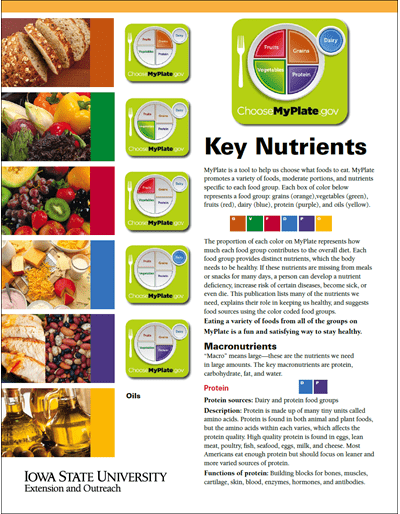
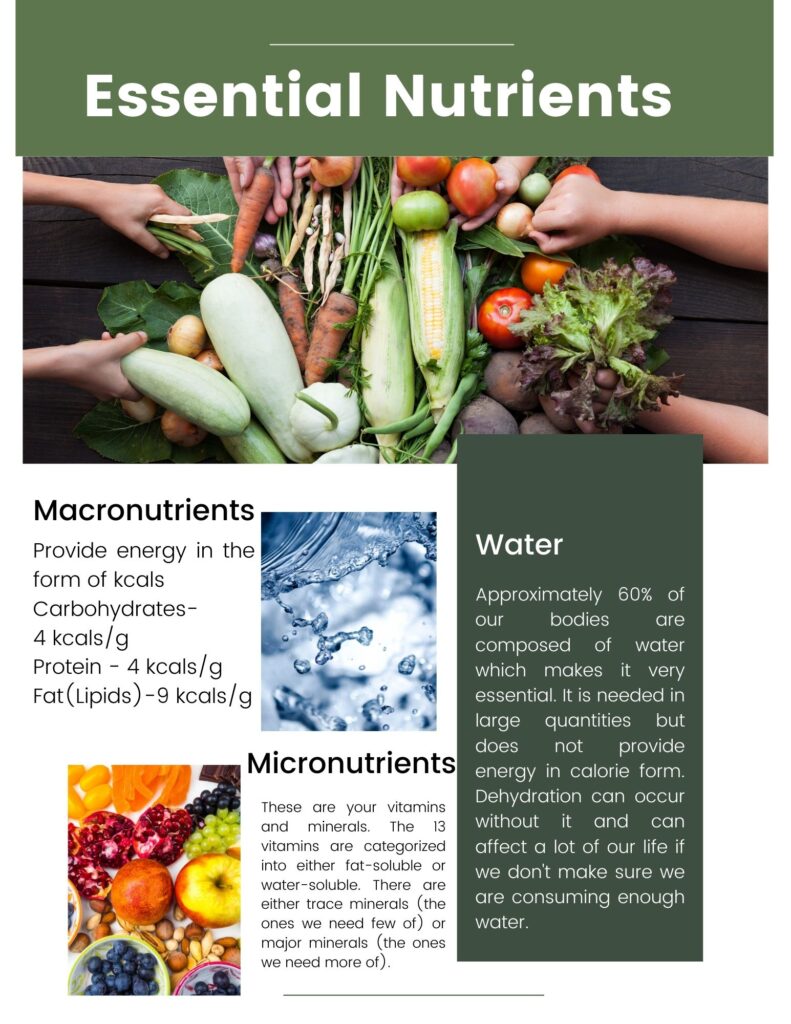
Macronutrients are the primary substances your body needs in large amounts for energy, growth, and cellular function. These include carbohydrates, proteins, and fats. Each plays a unique role that contributes to your overall health.
Carbohydrates: Your Energy Source
Carbohydrates are your body’s main energy source. They are essential for fueling activities and maintaining proper organ function.
Types of Carbohydrates:
- Simple Carbohydrates: Found in fruits, milk, and sweeteners.
- Complex Carbohydrates: Found in whole grains, vegetables, and legumes.
Complex carbohydrates are preferred because they provide sustained energy and are packed with fiber, vitamins, and minerals. Aim for whole grains like brown rice, quinoa, and whole-wheat products.
Proteins: The Building Blocks
Proteins are vital for building muscles, repairing tissues, and producing enzymes and hormones. Your body breaks down proteins into amino acids, which play crucial roles in various bodily functions.
Quality Sources of Protein:
- Lean meats
- Poultry
- Fish
- Eggs
- Dairy products
- Plant-based options like beans, lentils, and tofu
By including a variety of these sources in your diet, you ensure you get all the essential amino acids required for optimal health.
Fats: The Essential Energy Reserve
Fats often get a bad reputation, but they are a crucial part of your diet. They not only provide energy but also support cell growth, protect organs, and help your body absorb vital nutrients.
Types of Fats:
- Unsaturated Fats: Found in nuts, seeds, fish, and plant oils. These are considered healthy fats.
- Saturated Fats: Found in animal products and certain tropical oils. These should be consumed in moderation.
- Trans Fats: Often found in processed foods, these should be minimized as much as possible.
Opt for healthy fats such as olive oil, avocados, and fatty fish like salmon to maximize the benefits while keeping unhealthy fats at bay.
Micronutrients: The Unsung Heroes
Micronutrients might be needed in smaller amounts, but they are no less important. These vitamins and minerals support numerous body processes, including immune function, bone health, and cell production.
Vitamins: Vital for Vitality
Vitamins are organic compounds that your body needs to function properly. They are divided into two categories based on their solubility:
- Fat-Soluble Vitamins (A, D, E, K): Stored in the body’s fatty tissue.
- Water-Soluble Vitamins (B-complex, C): Not stored in the body and need regular replenishment.
Here is a breakdown of some key vitamins:
| Vitamin | Function | Food Sources |
|---|---|---|
| A | Vision, immune function | Carrots, sweet potatoes, spinach |
| B-complex | Energy production, brain function | Meat, eggs, whole grains |
| C | Antioxidant, skin health | Citrus fruits, berries, bell peppers |
| D | Calcium absorption, bone health | Sunlight, fatty fish, fortified dairy |
| E | Antioxidant, cell protection | Nuts, seeds, green leafy vegetables |
| K | Blood clotting, bone health | Kale, broccoli, Brussels sprouts |
These vitamins can be obtained through a balanced diet comprising a variety of fruits, vegetables, proteins, and whole grains.
Minerals: The Body’s Workhorses
Minerals are inorganic elements that play a key role in various bodily functions, ranging from building strong bones to transmitting nerve impulses.
Some essential minerals include:
| Mineral | Function | Food Sources |
|---|---|---|
| Calcium | Bone health, muscle function | Dairy products, leafy greens, fortified cereals |
| Iron | Oxygen transport in blood | Red meat, beans, fortified cereals |
| Magnesium | Muscle and nerve function | Nuts, seeds, whole grains, spinach |
| Potassium | Muscle function, heart health | Bananas, oranges, potatoes, spinach |
| Zinc | Immunity, wound healing | Meat, shellfish, legumes, nuts |
Including a variety of nutrient-dense foods in your diet ensures you meet your mineral requirements.
Water: The Overlooked Essential
Water is an often overlooked but vital component of a balanced diet. Staying hydrated is crucial for digestion, nutrient transport, temperature regulation, and more. Aim to drink at least 8 glasses of water daily, more if you are active or live in a hot climate. Fruits and vegetables with high water content, such as cucumbers and watermelon, can also contribute to your daily hydration needs.
Fiber: The Digestive Aid
Fiber, while not technically a nutrient, plays a pivotal role in maintaining your digestive health. It’s found in plant foods and comes in two forms: soluble and insoluble. Both are essential for different reasons.
- Soluble Fiber: Helps lower glucose levels and blood cholesterol. Found in oats, beans, and certain fruits.
- Insoluble Fiber: Helps food move through your digestive system. Found in whole grains, nuts, and vegetables.
A diet rich in fiber helps prevent constipation, supports a healthy weight, and may lower the risk of heart disease and diabetes. Aim for at least 25-30 grams per day.
Antioxidants: The Protective Compounds
Antioxidants are compounds that help fight free radicals, which can damage cells and contribute to aging and diseases. Many vitamins and minerals, such as vitamins C and E, selenium, and beta-carotene, act as antioxidants.
Sources of Antioxidants
- Berries such as blueberries, strawberries, and raspberries
- Dark leafy greens like spinach and kale
- Nuts and seeds
- Dark chocolate (in moderation)
- Green and black teas
Incorporating antioxidant-rich foods can enhance your body’s defense system and promote overall health.
Probiotics and Prebiotics: Gut Health Warriors
A healthy gut is crucial for overall well-being, and probiotics and prebiotics play a significant role in this.
Probiotics
Probiotics are beneficial bacteria that help maintain the natural balance of organisms in your intestines.
Sources of Probiotics:
- Yogurt
- Kefir
- Sauerkraut
- Kimchi
- Miso
Prebiotics
Prebiotics are types of fiber that feed the friendly bacteria in your gut.
Sources of Prebiotics:
- Garlic
- Onions
- Bananas
- Asparagus
- Whole grains
By including both probiotics and prebiotics in your diet, you support a healthy digestive system and boost your immune function.
Phytonutrients: Plant-Based Powerhouses
Phytonutrients are compounds produced by plants that have various health benefits. They are not essential for survival but can help prevent disease and promote health.
Types of Phytonutrients
- Flavonoids: Found in berries, tea, and citrus fruits.
- Carotenoids: Found in carrots, sweet potatoes, and spinach.
- Ellagic Acid: Found in berries and nuts.
- Resveratrol: Found in red wine, grapes, and peanuts.
Including a colorful variety of fruits and vegetables in your diet ensures you get a range of these beneficial phytonutrients.
Mindful Eating: Quality Over Quantity
It’s not just about what you eat but how you eat. Mindful eating promotes better digestion and a healthier relationship with food.
Tips for Mindful Eating
- Eat Slowly: Take your time to savor each bite.
- Listen to Your Hunger Cues: Eat when you’re hungry and stop when you’re full.
- Avoid Distractions: Focus on your meal without distractions from electronics.
By practicing mindful eating, you can improve digestion, control portion sizes, and enjoy your meals more fully.

Balancing Your Nutrient Intake
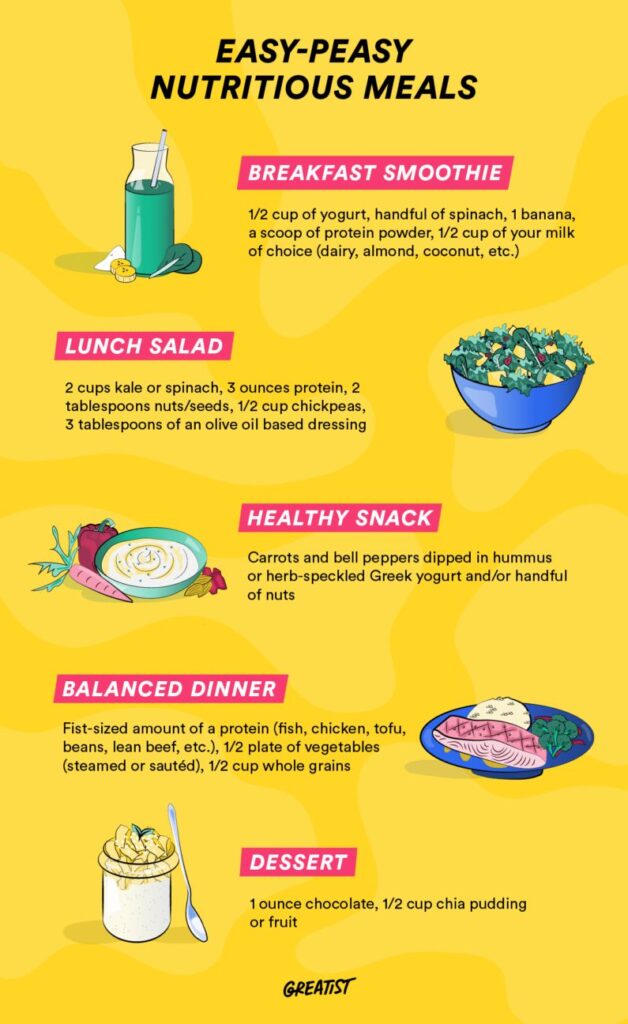
Balancing your nutrient intake involves planning your meals to include a variety of food groups. Here are a few tips to help you achieve a balanced diet:
Meal Planning
Plan your meals around a mix of macronutrients and micronutrients. For example:
- Breakfast: Greek yogurt with berries and a sprinkle of nuts.
- Lunch: Quinoa salad with mixed vegetables, a lean protein source like chicken, and a healthy fat like avocado.
- Dinner: Grilled salmon, a side of steamed broccoli, and whole grain rice.
Snacks
Healthy snacks can help maintain energy levels between meals:
- Sliced veggies with hummus
- A handful of almonds
- Fresh fruit
Portion Control
Understanding portion sizes helps prevent overeating. Use smaller plates and pay attention to serving sizes on food labels.
Supplements: Are They Necessary?
While it’s best to get nutrients from food, some people might need supplements due to dietary restrictions or health conditions. Consult a healthcare provider before starting any supplement regimen.
Common Supplements
- Multivitamins: Cover general nutrient gaps.
- Vitamin D: Particularly important in regions with limited sunlight.
- Omega-3 Fatty Acids: Beneficial for heart health.
However, relying solely on supplements without addressing overall diet quality may not provide the same benefits as consuming nutrient-rich foods.
Conclusion: Your Path to Health
Embarking on a journey to include key nutrients in your daily diet can seem daunting at first, but breaking it down into manageable steps makes it achievable. With a focus on a variety of food groups, mindful eating, and balanced meals, you can nourish your body effectively. Remember, the goal is to create sustainable, enjoyable eating habits that support your long-term health and well-being. Embrace the diversity of foods the world has to offer and savor the benefits of a nutrient-rich diet every day.