
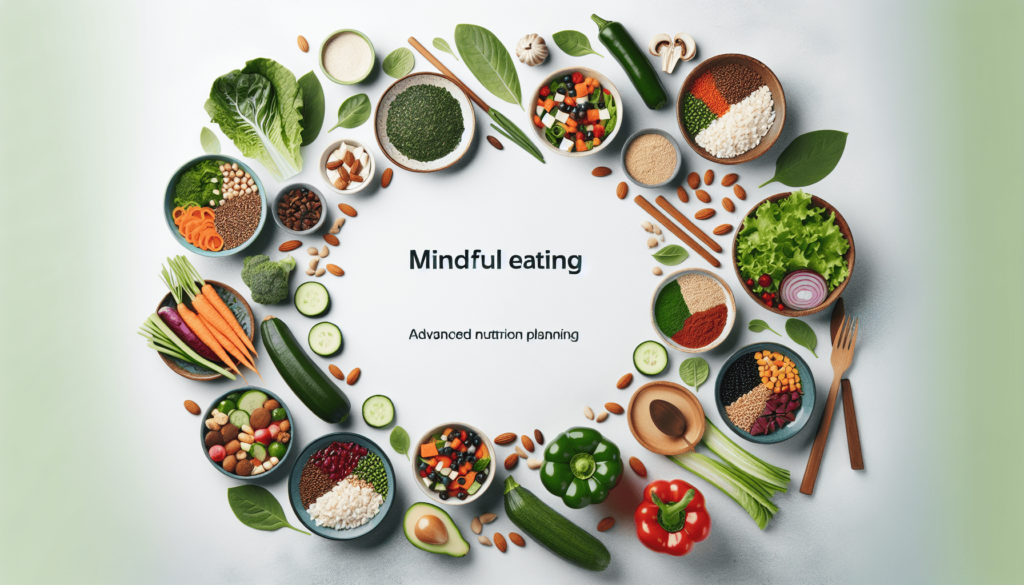
Have you ever wondered how you can improve your nutrition planning by simply being more mindful about your eating habits? Mindful eating, a practice that emphasizes awareness and presence during meals, can be a game-changer in your quest for better nutrition. Rather than just focusing on what you eat, mindful eating also emphasizes how you eat, and it can significantly impact your overall health and well-being.

What is Mindful Eating?
Mindful eating is all about being present while you eat. It involves paying full attention to your food and the eating process, encouraging you to slow down and savor each bite. The idea is to shift your focus from dieting and restrictions to enjoying food and recognizing your body’s hunger and fullness cues.
The Benefits of Mindful Eating
Mindful eating can offer several benefits beyond just improved nutrition. Some key benefits include:
- Better Digestion: Eating slowly and chewing thoroughly can aid in digestion.
- Reduced Overeating: Being aware of hunger and fullness cues can prevent overeating.
- Improved Relationship with Food: Reduces the guilt or anxiety associated with eating.
- Enhanced Enjoyment of Food: Allows you to appreciate flavors and textures more deeply.
Why Combine Mindful Eating with Advanced Nutrition Planning?
Integrating mindful eating with advanced nutrition planning can help you optimize your nutritional intake while fostering a healthier relationship with food. Advanced nutrition planning involves strategically planning your meals to ensure you get the right balance of nutrients. By combining this with mindful eating, you create a holistic approach to nutrition that addresses both the physical and psychological aspects of eating.
Setting Clear Goals
Before diving into mindful eating strategies, it’s essential to set clear and achievable nutrition goals. Whether it’s improving your energy levels, managing a health condition, or enhancing athletic performance, having defined goals will guide your mindful eating practices.
- Identify Your Objectives: Determine what you want to achieve with your nutrition plan.
- Set Realistic Targets: Aim for attainable goals to keep yourself motivated.
- Track Progress: Monitoring your progress can help you stay on track and make adjustments as needed.

Tips for Practicing Mindful Eating
Here are some practical strategies to help you incorporate mindful eating into your advanced nutrition planning:
1. Eliminate Distractions
When you eat, focus solely on your food. Turn off the TV, put your phone away, and create a tranquil environment free from distractions. This helps you fully engage with your meal and allows you to listen to your body’s signals.
2. Eat Slowly
Take your time to chew each bite thoroughly. Eating slowly not only helps with digestion but also gives your brain time to register that you are full, reducing the likelihood of overeating. Aim to spend at least 20-30 minutes on each meal.
3. Savor Each Bite
Pay attention to the flavors, textures, and aromas of your food. Try to identify the different ingredients and appreciate the effort that went into preparing your meal. This creates a more enjoyable eating experience and aligns with your nutritional goals.
4. Listen to Your Body
Tuning into your body’s hunger and fullness cues is a cornerstone of mindful eating. Eat when you are truly hungry and stop when you are comfortably full, even if there’s food left on your plate.
5. Plan Balanced Meals
Mindful eating works best when combined with well-planned meals that offer a balanced mix of nutrients. Aim to include a variety of foods from all food groups:
| Food Group | Examples |
|---|---|
| Proteins | Chicken, Fish, Tofu, Beans, Lentils |
| Carbohydrates | Whole grains, Vegetables, Fruits |
| Fats | Avocado, Nuts, Seeds, Olive oil |
| Vitamins & Minerals | Leafy greens, Berries, Citrus fruits |
Advanced Nutrition Planning Strategies
Combining mindful eating with advanced nutrition planning involves not just understanding what to eat but also how to anticipate and meet your nutritional needs. Here are several strategies to consider:
Meal Prepping
Meal prepping is an invaluable skill that can ensure you stick to your nutrition plan even on busy days. By preparing meals in advance, you can regulate portion sizes and avoid the temptation of unhealthy options.
Steps for Effective Meal Prepping:
- Plan Your Menu: Outline your meals for the week, focusing on balance and variety.
- Shop Smart: Create a shopping list based on your meal plan to avoid unnecessary purchases.
- Prep Ingredients: Wash, chop, and store ingredients in separate containers.
- Cook in Batches: Prepare large batches of meals and divide them into individual portions.
Portion Control
Even healthy foods can lead to weight gain if eaten in large quantities. Understanding appropriate portion sizes can help you maintain a balanced diet.
Portion Control Tips:
- Use Smaller Plates: This can trick your brain into thinking you’re eating more than you actually are.
- Measure Your Servings: Become familiar with serving sizes to avoid overeating.
- Listen to Your Body: Stop eating when you’re satisfied, not when your plate is empty.
Tracking Nutritional Intake
Keeping track of your nutritional intake can help you stay mindful about what and how much you’re eating. This can be particularly useful if you have specific health or fitness goals.
Methods for Tracking Nutritional Intake:
- Food Diaries: Write down everything you eat and drink in a day.
- Mobile Apps: Use apps like MyFitnessPal to log your meals and analyze your nutrient intake.
- Professional Guidance: Consult a nutritionist for personalized advice and accountability.
Mindful Grocery Shopping
Practicing mindfulness starts even before you sit down to eat. Mindful grocery shopping involves making intentional choices about what you buy, which can significantly impact your nutrition planning.
Tips for Mindful Grocery Shopping:
- Make a List: Stick to a shopping list to avoid impulse buys.
- Read Labels: Check nutritional information and ingredient lists to make healthier choices.
- Choose Whole Foods: Opt for fresh, whole foods over processed items.
- Shop the Perimeter: The outer aisles of grocery stores often contain the healthiest options, like fruits, vegetables, dairy, and lean meats.

Overcoming Challenges in Mindful Eating and Nutrition Planning
Mindful eating and advanced nutrition planning can sometimes be challenging, but with a little effort and persistence, you can overcome these hurdles:
Emotional Eating
Many people turn to food for comfort during stressful times. Recognizing the difference between physical hunger and emotional cravings is crucial.
Strategies to Combat Emotional Eating:
- Identify Triggers: Recognize situations or emotions that lead to overeating.
- Find Alternatives: Engage in other activities like reading, exercising, or meditating.
- Practice Self-compassion: Be kind to yourself if you overeat and use it as a learning experience.
Social Situations
Eating out or attending social events can disrupt your mindful eating practices and nutrition plans.
Tips for Managing Social Situations:
- Plan Ahead: Review restaurant menus online and choose healthier options in advance.
- Eat Mindfully: Focus on enjoying the company and conversation rather than just the food.
- Set Boundaries: Don’t feel pressured to eat or drink more than you’re comfortable with.
The Role of Hydration in Mindful Eating and Nutrition Planning
Often overlooked, proper hydration is a vital aspect of both mindful eating and advanced nutrition planning. Staying hydrated can improve your digestive health and enhance your ability to recognize hunger and fullness cues.
Tips for Staying Hydrated
- Carry a Water Bottle: Having a reusable water bottle can remind you to drink water throughout the day.
- Listen to Your Thirst: Drink when you feel thirsty, and try to choose water over sugary drinks.
- Eat Hydrating Foods: Incorporate water-rich foods like cucumbers, oranges, and watermelons into your diet.
Mindful Eating Practices for Different Life Stages
Mindful eating can be tailored to suit different needs at various life stages, ensuring that your nutrition planning remains effective throughout your life.
For Children and Adolescents
Introducing mindful eating to children can set the foundation for healthy eating habits that last a lifetime.
Tips:
- Model Behavior: Children are more likely to mimic your eating habits, so practice what you preach.
- Educational Games: Use fun and interactive ways to teach children about mindful eating.
- Family Meals: Sit down for family meals as often as possible to encourage mindful eating practices.
For Adults
Adults often juggle multiple responsibilities, making it easy to neglect mindful eating.
Tips:
- Scheduled Meals: Plan your meals around your daily routine to ensure you make time for mindful eating.
- Mindful Breaks: Incorporate short mindfulness breaks during meal prep to stay present.
- Stress Management: Practice stress-reducing techniques, such as yoga or meditation, to avoid emotional eating.
For Seniors
Nutritional needs can change as you age, requiring more attention to specific nutrients, portion sizes, and digestion.
Tips:
- Smaller, Frequent Meals: Rather than large meals, opt for smaller, nutrient-dense meals more frequently.
- Focus on Nutrients: Pay special attention to nutrient-rich foods to meet your changing dietary needs.
- Stay Active: Engage in light physical activities that can improve digestion and overall well-being.
Common Misconceptions About Mindful Eating
Despite its benefits, mindful eating is often misunderstood. Let’s clear up some common misconceptions:
“Mindful Eating is a Diet”
Mindful eating is not a diet plan but a way of approaching food and eating. It doesn’t involve calorie counting or restrictive eating but encourages you to become more aware of your eating habits.
“You Can’t Enjoy Indulgent Foods”
Mindful eating doesn’t mean you have to give up your favorite treats. Instead, it allows you to enjoy them fully and without guilt, recognizing when you’ve had enough.
“It’s Time-Consuming”
While mindful eating does require some time to practice, the benefits far outweigh the initial investment. Over time, it becomes a natural part of your eating routine.

Combining Physical Activity with Mindful Eating
Physical activity complements mindful eating and advanced nutrition planning. Together, they can help you achieve your health and fitness goals more effectively.
Benefits of Combining the Two
- Enhanced Metabolism: Regular exercise can boost your metabolism, helping you better utilize the nutrients from your meals.
- Improved Mood: Physical activity releases endorphins, which can reduce stress and prevent emotional eating.
- Balanced Energy Levels: Combining the right foods with exercise ensures you have sustained energy throughout the day.
Creating a Balanced Routine
To create a balanced routine that includes both mindful eating and physical activity:
- Schedule Workouts: Incorporate physical activity into your daily schedule.
- Post-Workout Meals: Plan nutrient-rich post-workout meals to aid recovery.
- Hydration: Drink plenty of water before, during, and after exercise.
Conclusion
Integrating mindful eating into your advanced nutrition planning can truly transform your approach to food and health. By focusing not only on what you eat but also on how you eat, you can cultivate a more balanced, fulfilling, and sustainable way to nourish your body. Begin with small, manageable changes and gradually build on these practices to pave the way for long-term success. Remember, the goal is not perfection but progress—each mindful bite brings you closer to a healthier, happier you.