
Are you feeling overwhelmed about starting your fitness journey and looking for a way to make it more enjoyable and effective? Incorporating mindfulness into your fitness routine can be a game-changer. It helps you focus, stay motivated, and appreciate every step of the process. Let’s dive into how you can blend mindfulness with your new fitness habits for a rewarding experience.

What is Mindfulness in Fitness?
Mindfulness is all about being present in the moment, aware of your thoughts, feelings, and physical sensations without judgment. When applied to fitness, it means engaging fully in your workouts, listening to your body, and understanding your limits. This approach not only enhances your physical performance but also makes your exercise sessions more enjoyable and less stressful.
Benefits of Mindfulness in Fitness
Practicing mindfulness in your fitness routine offers several benefits:
- Improved Focus: Helps you concentrate on your movements, making your workouts more effective.
- Reduced Stress: Lowers anxiety and helps you relax, turning exercise into a stress-relieving activity.
- Enhanced Motivation: Keeps you connected with your fitness goals and increases your commitment.
- Better Body Awareness: Assists in understanding your body’s signals, preventing overtraining and injuries.
- Enjoyment: Makes the whole process more enjoyable, which is crucial for maintaining a long-term fitness routine.
Getting Started with Mindfulness in Your Workouts
Starting a mindfulness practice in your fitness routine doesn’t have to be complicated. Here are some steps to get you going:
Set Clear and Realistic Goals
Before you start, define what you want to achieve with your fitness routine. Setting clear and realistic goals helps you stay focused and motivated. Make sure your goals are specific, measurable, achievable, relevant, and time-bound (SMART).
| Goal Aspect | Example |
|---|---|
| Specific | “I want to run 5 kilometers without stopping.” |
| Measurable | “I will track my running distance and time.” |
| Achievable | “I will start with shorter distances and gradually increase.” |
| Relevant | “Running helps improve my cardiovascular health.” |
| Time-bound | “I will achieve this goal in two months.” |
Focus on Your Breathing
Pay attention to your breathing during your workouts. Deep, controlled breaths can help you stay present and focused. Start by taking deep inhales through your nose, filling your lungs completely, and then exhaling through your mouth. This practice not only enhances your performance but also calms your mind.
Listen to Your Body
Your body sends signals during workouts; learning to interpret them can prevent injuries and improve your performance. If you feel pain or excessive fatigue, it might be a sign to slow down or modify your exercise. Conversely, positive sensations like increased energy can indicate that your body is responding well to your workout.
Stay Present
Focus on the current moment instead of worrying about the past or future. Concentrate on your movements, how your muscles feel, and the rhythm of your breath. If you find your mind wandering, gently bring it back to the present task. This practice not only improves your technique but also makes your workouts more fulfilling.
Incorporate a Mindfulness Routine Post-Workout
After your workout, take a few minutes to cool down and stretch while practicing mindfulness. Reflect on how you feel, what you accomplished, and what you can improve next time. This routine helps your body and mind transition from an active state to a state of relaxation and recovery.

Tips for Practicing Mindfulness in Different Types of Workouts
Mindfulness can be integrated into various types of workouts. Here’s how you can apply it to some common exercises:
Mindfulness in Cardio Workouts
Cardio exercises like running, cycling, and swimming are great for your heart health but can sometimes feel monotonous. Here are a few tips to stay present:
- Set a Breathing Rhythm: Sync your breath with your movements. For example, inhale for three steps and exhale for two while running.
- Feel Each Movement: Pay attention to how your legs, arms, and core feel during the exercise.
- Use Positive Affirmations: Repeat encouraging words to yourself to stay motivated and present.
Mindfulness in Strength Training
Strength training requires concentration and proper technique to be effective and safe. Mindfulness can help you focus on form and maximize your gains:
- Visualize Your Muscles Working: Picture the specific muscles you’re targeting with each exercise.
- Count Slowly: Perform each repetition slowly and mindfully, focusing on both the lifting and lowering phases.
- Take Breaks: Use rest periods between sets to practice deep breathing and reset your focus.
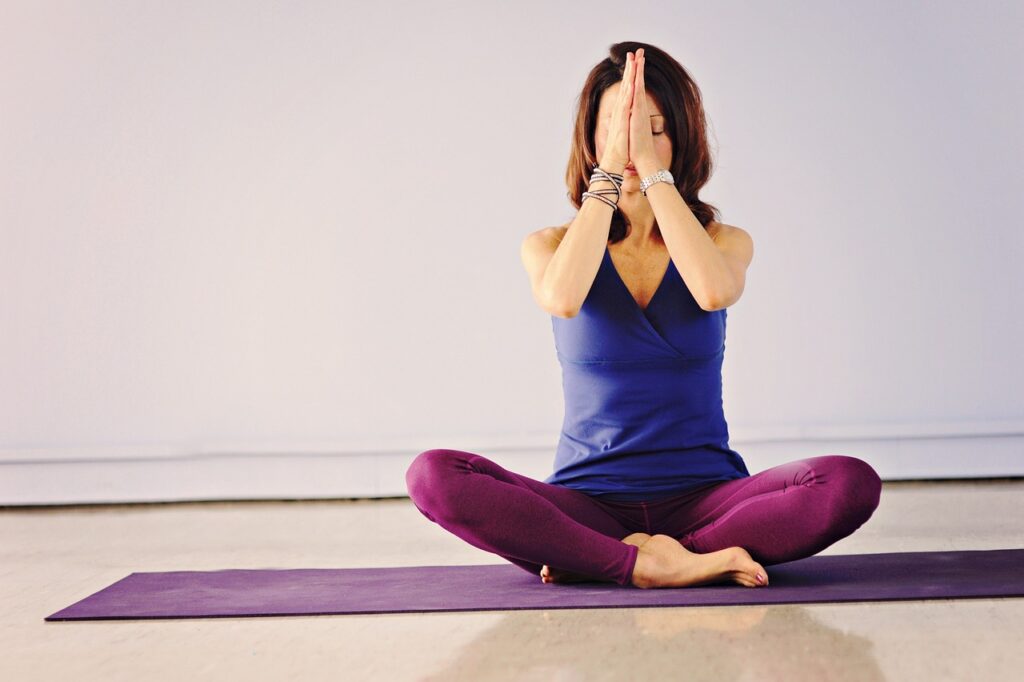
Mindfulness in Yoga
Yoga is inherently mindful, but there are ways to deepen this practice further:
- Focus on Your Breath: Coordinate your breath with your movements. Inhale while stretching or expanding and exhale while contracting or holding a pose.
- Observe Without Judgment: Notice how each pose feels without judging your ability to perform it perfectly.
- End with Meditation: Spend a few minutes meditating at the end of your session to enhance relaxation and mental clarity.
Mindfulness in Group Classes
Group fitness classes can be energizing but sometimes distracting. Here’s how to remain mindful:
- Stay Within Yourself: Focus on your own experience rather than comparing yourself to others.
- Follow the Instructor’s Cues: Use the instructor’s guidance to stay engaged and present.
- Enjoy the Music: Let the rhythm of the music guide your movements and keep you grounded in the present moment.
Incorporating Mindfulness into Your Daily Routine
Mindfulness in fitness doesn’t have to be limited to your workouts; you can integrate it into your daily life for additional benefits.
Morning Routine
Start your day with a mindfulness practice to set a positive tone:
- Morning Stretch: Spend 5-10 minutes stretching mindfully, focusing on your breath and the sensations in your body.
- Set Intentions: Take a moment to set an intention for the day, such as staying positive or being active.
During Work
Stay mindful during your workday to reduce stress and increase productivity:
- Mindful Breaks: Take short breaks to practice deep breathing or a quick stretch.
- Single-Tasking: Focus on one task at a time instead of multitasking to stay present and efficient.
Evening Routine
Wind down mindfully to prepare for a restful night:
- Evening Walk: Take a relaxing walk outside, paying attention to the sights and sounds.
- Gratitude Practice: Reflect on the positive parts of your day and jot them down to focus on the good moments.
Tools and Resources to Help You Practice Mindfulness
There are various tools and resources available to support your mindfulness journey:
Apps
Several apps can guide you in practicing mindfulness, whether during workouts or daily routines:
| App Name | Features |
|---|---|
| Headspace | Guided meditations, mindful workout tips |
| Calm | Meditation sessions, sleep stories |
| MyFitnessPal | Fitness tracking, mindful eating tips |
Books
Reading about mindfulness can provide deeper insights and practical tips:
- “The Miracle of Mindfulness” by Thich Nhat Hanh: A simple guide to mindful living.
- “Mindfulness for Beginners” by Jon Kabat-Zinn: An introduction to mindfulness practices.
- “The Mindful Athlete” by George Mumford: Applying mindfulness in sports and fitness.
Online Courses
Online courses can offer structured guidance and community support:
- Coursera’s “Science of Well-Being” by Yale: Focuses on mindfulness and overall well-being.
- Mindful.org’s Online Programs: Various courses on mindfulness practices.
- Gaiam Yoga Studio: Mindful yoga classes and tutorials.
Common Challenges and Solutions in Practicing Mindfulness
Starting a mindfulness practice can come with challenges. Here are some common obstacles and how to overcome them:
Challenge: Wandering Mind
It’s natural for your mind to wander, especially when you’re new to mindfulness. Recognize that this is normal and gently bring your focus back each time it strays.
Challenge: Lack of Time
Finding time for mindfulness can be tough in a busy schedule. Integrate short mindfulness practices into your daily routine, such as mindful breathing during breaks or stretching in the morning.
Challenge: Impatience
You might feel impatient if you don’t see immediate results. Remember, mindfulness is a practice that takes time to develop. Stay patient and persistent.
Challenge: Discomfort
Physical discomfort can arise during mindful workouts or meditation. Differentiate between discomfort that signals growth (like muscle fatigue) and pain that indicates injury. Adjust accordingly.

Wrapping Up Your Mindfulness Journey in Fitness
Incorporating mindfulness into your beginner fitness routine can transform how you experience exercise and improve your overall well-being. By staying present, listening to your body, and approaching your fitness goals with a mindful attitude, you can create a sustainable and enjoyable fitness journey. Take one step at a time, and remember to savor the process as much as the outcomes. Happy mindful workouts!