
Have you ever wondered how the timing of your meals can impact your muscle growth? Understanding nutrition timing can be a game-changer in your fitness journey. Many athletes and bodybuilders focus on what they eat but paying attention to when you eat can make a significant difference in your muscle-building results. Let’s take a closer look at the intricacies of nutrition timing and how you can use it to supercharge your gains.

Understanding Nutrition Timing
What Is Nutrition Timing?
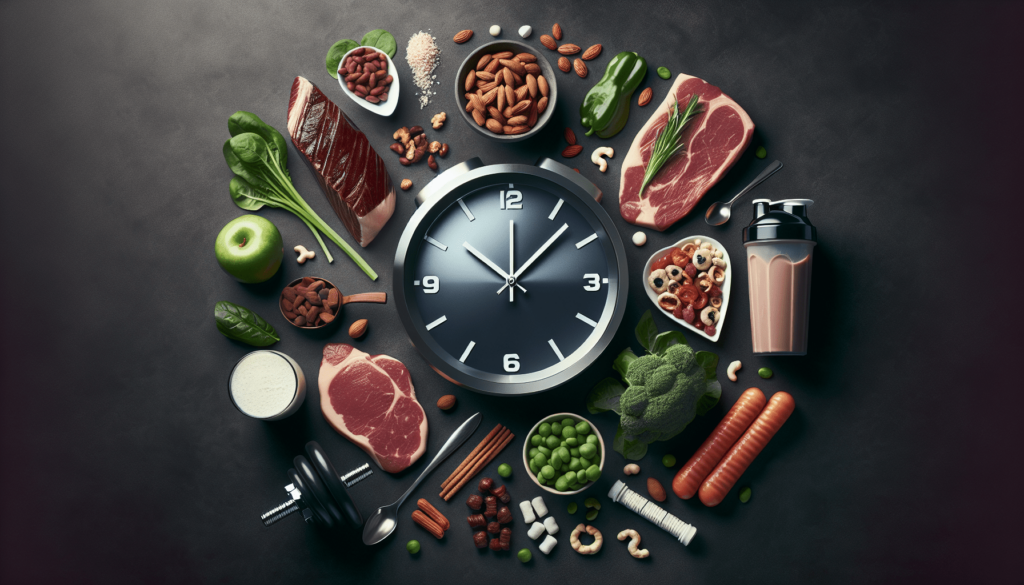
Nutrition timing refers to the strategic scheduling of food and nutrient intake to optimize muscle growth, performance, and recovery. It’s not just about what you eat, but also when you eat it. Consuming the right nutrients at specific times can enhance your body’s ability to build muscle, repair tissue, and perform at its peak.
The Science Behind Nutrition Timing
The science of nutrition timing revolves around the body’s circadian rhythms and its response to physical activity. Your body undergoes various metabolic processes throughout the day, making certain windows more advantageous for nutrient absorption and utilization. By aligning your food intake with these windows, you can maximize muscle protein synthesis (MPS) and growth.
The Importance of Macros in Muscle Building
Macronutrients: The Building Blocks
Before diving into timing, it’s essential to understand the roles of macronutrients—protein, carbohydrates, and fats—in muscle building.
- Protein: Critical for muscle repair and growth. Your body needs protein to create new muscle tissue and repair the tears caused by weightlifting.
- Carbohydrates: Fuel your workouts. Carbs provide the necessary energy to perform intense exercises and also aid in muscle recovery.
- Fats: Support hormone production and overall health. Healthy fats are vital for maintaining optimal hormonal balance, which is crucial for muscle growth.
Daily Macro Goals
To achieve muscle growth, you must meet your daily macronutrient goals. Here is a general guideline for distributing your macros:
| Macronutrient | Percentage of Total Caloric Intake |
|---|---|
| Protein | 25-35% |
| Carbohydrates | 45-65% |
| Fats | 15-25% |

Pre-Workout Nutrition
Why Pre-Workout Nutrition Matters
Eating before a workout prepares your body for the physical demands ahead. Proper pre-workout nutrition can enhance your performance, reduce muscle breakdown, and accelerate recovery.
Timing Your Pre-Workout Meal
Aim to eat your pre-workout meal 1-3 hours before exercising. This window allows your body to digest and absorb the nutrients, providing you with sustained energy for your workout.
What to Eat Pre-Workout
Macronutrient Breakdown
A balanced pre-workout meal should include:
- Protein: To facilitate muscle repair and growth.
- Carbohydrates: To supply energy and sustain performance.
- Fats: In moderation, as they can slow digestion.
Here’s a sample pre-workout meal breakdown:
| Food Item | Macronutrient Content |
|---|---|
| Grilled Chicken | High in protein |
| Brown Rice | Rich in complex carbohydrates |
| Steamed Vegetables | Provides vitamins, minerals, and fiber |
| Olive Oil Dressing | Adds healthy fats |
During Workout Nutrition
The Role of Intra-Workout Nutrition
During your workout, maintaining energy levels and hydration is crucial. Intra-workout nutrition helps you avoid muscle catabolism (breakdown) and keeps your performance high.
Timing and Composition
For workouts lasting longer than 60 minutes, consider intra-workout nutrition. Consuming fast-digesting carbs and electrolytes can keep you fueled and hydrated.
What to Consume During Your Workout
Macronutrient Breakdown
- Carbohydrates: Fast-digesting carbs like glucose or maltodextrin can provide immediate energy.
- Protein: BCAA (Branched-Chain Amino Acids) supplements can help reduce muscle breakdown.
- Electrolytes: To maintain hydration and muscle function.
Here’s an example of an intra-workout nutrition plan:
| Food Item | Macronutrient Content |
|---|---|
| Energy Drink Mix | Fast-digesting carbs, electrolytes |
| BCAA Supplement | Essential amino acids |
| Water | Hydration |

Post-Workout Nutrition
Why Post-Workout Nutrition Is Crucial
After working out, your muscles are primed for nutrient absorption. This is referred to as the “anabolic window,” a critical period for muscle recovery and growth.
Timing Your Post-Workout Meal
To maximize muscle protein synthesis, aim to consume your post-workout meal within 30 minutes to 2 hours after your workout.
What to Eat Post-Workout
Macronutrient Breakdown
A well-rounded post-workout meal should include:
- Protein: To kickstart muscle repair and growth.
- Carbohydrates: To replenish glycogen stores and aid recovery.
- Fats: In small amounts, to avoid slowing digestion.
Here’s a sample post-workout meal breakdown:
| Food Item | Macronutrient Content |
|---|---|
| Whey Protein Shake | High in fast-digesting protein |
| Banana | Provides quick-digesting carbohydrates |
| Greek Yogurt | Combination of protein and carbs |
Evening Nutrition And Its Impact On Muscle Growth
Why Evening Nutrition Matters
Contrary to the myth that eating late at night is bad, your muscles continue to repair and grow while you sleep. Therefore, your evening nutrition can significantly impact your overall muscle growth.
Timing Your Evening Meal
Aim to have your last meal of the day 1-2 hours before bedtime. This allows for adequate digestion and the release of essential hormones for muscle growth during sleep.
What to Eat in The Evening
Macronutrient Breakdown
Your evening meal should focus on:
- Protein: To support overnight muscle repair.
- Complex Carbohydrates: To provide sustained energy and aid recovery.
- Fats: To contribute to hormonal balance.
Here’s a sample evening meal breakdown:
| Food Item | Macronutrient Content |
|---|---|
| Cottage Cheese | High in slow-digesting protein |
| Sweet Potato | Provides complex carbohydrates |
| Mixed Nuts | Adds healthy fats |

The Role of Supplements in Nutrition Timing
Why Supplements Can Be Beneficial
While whole foods should be your main source of nutrients, supplements can help you meet your nutritional needs, especially when timing is crucial.
Common Supplements for Muscle Growth
Protein Powders
Whey Protein
- Fast-digesting
- Ideal for post-workout
Casein Protein
- Slow-digesting
- Best for evening consumption
Carbohydrate Supplements
Dextrose or Maltodextrin
- Fast-digesting carbs
- Ideal for intra or post-workout
Amino Acids
BCAAs
- Prevent muscle breakdown
- Best for during workouts
Practical Tips for Implementing Nutrition Timing
Planning Your Meals
Plan your meals around your workout schedule to make nutrition timing easier to manage. Prepping meals in advance can save time and ensure you get the nutrients you need.
Staying Consistent
Consistency is key to seeing results. Adhering to a timed nutrition plan consistently will help you build muscle more effectively.
Listening to Your Body
Pay attention to how your body responds to different meal timings and make adjustments as needed. Everyone’s metabolism and schedule are unique, so it might take some trial and error to find what works best for you.
Conclusion
Nutrition timing can have a significant impact on your muscle growth and overall performance. By eating the right nutrients at optimal times, you can maximize muscle protein synthesis, enhance your workouts, and speed up recovery. Whether you’re a seasoned athlete or just starting, paying attention to when you eat is just as important as what you eat. Take this knowledge and apply it to your routine, and watch your muscle growth reach new heights. Keep striving and stay patient—your efforts will pay off.