
Have you ever wondered how to maximize your strength gains beyond your current limits? When it comes to pushing past plateaus, the usual advice of lifting heavier or changing routines might not be enough. One often overlooked aspect is the significant role of neural adaptations in advanced strength training. Understanding and optimizing these neural pathways can elevate your strength training to the next level.
Understanding Neural Adaptations
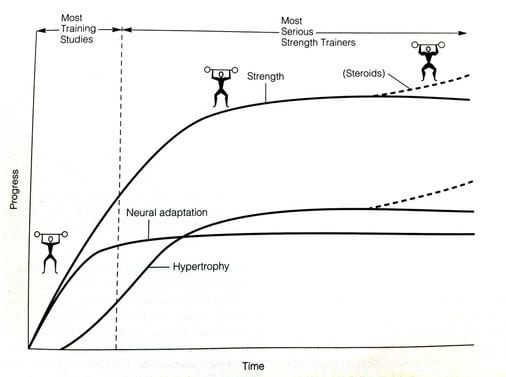
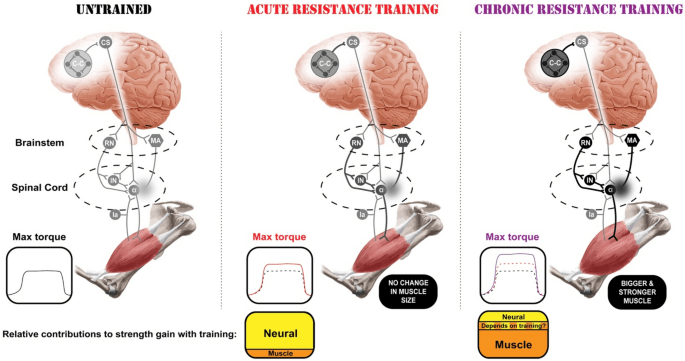
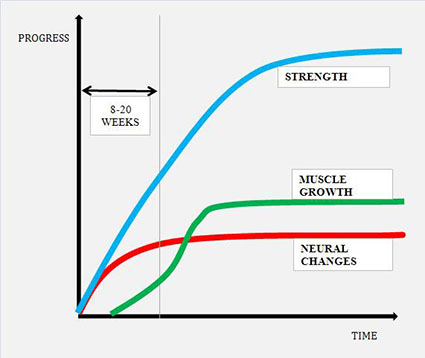
Neural adaptations refer to the changes your nervous system undergoes as you train. These adaptations are crucial for skill acquisition and strength improvements. Your body isn’t just about muscle; it’s about how your brain communicates with these muscles to perform specific tasks effectively.
Neural Pathways
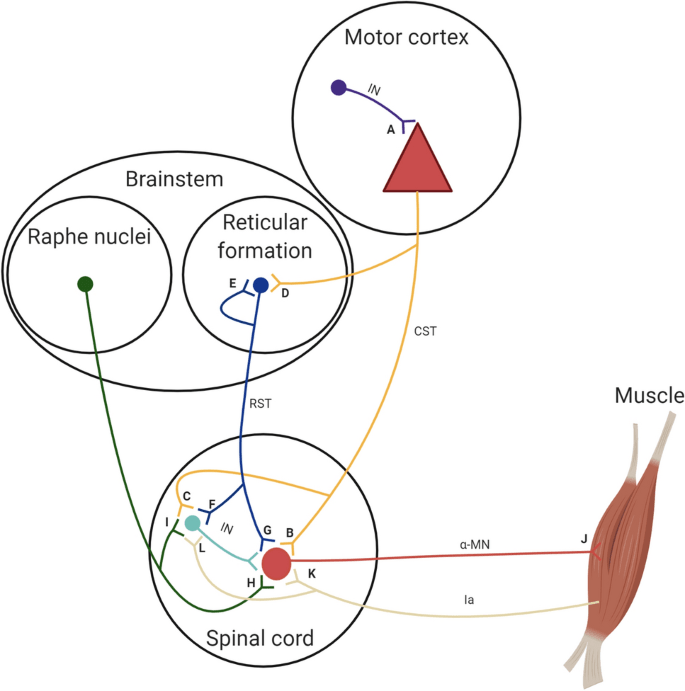
Neural pathways are the routes taken by nerve impulses to control muscle contractions. These pathways become more efficient with practice, leading to better coordination and faster response times. By optimizing these neural pathways, you can lift heavier weights and perform more complex movements with greater ease.
Key Components of Neural Pathways
| Component | Description |
|---|---|
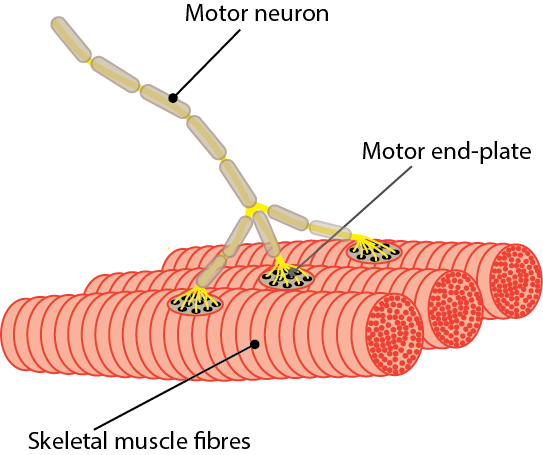
| Motor Neurons | Transmit signals from your brain to your muscles, initiating movement. |
| Synapses | Junctions where impulses transfer between neurons, critical for communication. |
| Neurotransmitters | Chemicals that transmit signals across synapses. |
| Motor Units | Comprised of a motor neuron and the muscle fibers it innervates, essential for muscle control. |
Neuroplasticity
Neuroplasticity is the brain’s ability to reorganize itself by forming new neural connections. This adaptability is fundamental for learning new skills, enhancing muscle memory, and improving coordination. Regular training can foster neuroplasticity, making your muscle movements more precise and efficient.
The Science Behind Strength Gains
When you lift a weight, your nervous system and muscles collaborate to produce force. Neural adaptations are an integral part of this collaborative process. The following sections will elucidate how these adaptations work, their importance, and ways to optimize them for advanced strength gains.
Motor Control and Muscle Recruitment
Effective motor control involves the coordinated activation of motor units. Early in your training, your brain recruits a limited number of motor units. As you progress, it learns to activate more motor units, enhancing muscle recruitment and efficiency.
Motor Unit Recruitment Levels:
| Training Phase | Description |
|---|---|
| Beginner | Low motor unit recruitment, relying mainly on larger, less efficient motor units. |
| Intermediate | Increased recruitment, starting to involve more muscle fibers and smaller, more efficient motor units. |
| Advanced | High level of motor unit recruitment, maximizing muscle fiber activation and synchronization. |
Rate Coding
Rate coding refers to how frequently your motor neurons fire to produce a sustained muscle contraction. Enhanced rate coding allows for a smoother and more forceful contraction, facilitating greater strength gains.
Synchronization
Synchronization is the simultaneous activation of motor units. Improved synchronization means your muscles can contract more forcefully and efficiently. Advanced lifters often show superior synchronization, which contributes to their ability to lift heavier weights.
Methods to Optimize Neural Adaptations
So, how can you enhance these neural pathways to make your strength gains more effective? There are several strategies that can help.
Training Specificity
Training specificity involves tailoring your training to match the movements and muscles you aim to strengthen. By focusing on specific lifts or muscle groups, you can foster better neural adaptations.
Examples of Training Specificity:
| Goal | Specific Training Focus |
|---|---|
| Increase Squat Weight | Variations of squats, including front squats, box squats, and pause squats. |
| Improve Deadlift | Deadlift variations, grip strength exercises, and hamstring-focused movements. |
| Enhance Bench Press | Different bench angles, tricep-focused exercises, and shoulder mobility work. |
Progressive Overload
Progressive overload is a foundational principle of strength training that involves gradually increasing the weight, frequency, or intensity of your workouts. This constant challenge encourages neural adaptations by demanding more from your nervous system.
Compound Movements
Compound movements, which involve multiple muscle groups and joints, are excellent for promoting neural adaptations. Exercises like squats, deadlifts, and bench presses force your nervous system to coordinate a vast array of muscles, enhancing overall neuromuscular efficiency.
Plyometrics and Explosive Training
Incorporating plyometrics and explosive training can significantly enhance rate coding and synchronization. These exercises train your nervous system to fire quickly and efficiently, facilitating faster and stronger muscle contractions.
Motor Learning and Skill Acquisition
Motor learning focuses on acquiring and refining skills through practice. By repeatedly exposing your nervous system to specific movements, you can enhance muscle memory and coordination.
Mind-Muscle Connection
Developing a strong mind-muscle connection can improve neural adaptations by making your workouts more effective. This involves concentrating on the targeted muscle groups during lifts, ensuring maximal muscle engagement.
Proper Recovery
Recovery isn’t just about muscle repair but also involves neural recovery. Adequate sleep, nutrition, and rest periods are essential for maintaining optimal neural function and ensuring that your adaptations are sustained and improved upon.
Neuromuscular Fatigue and Recovery
Neuromuscular fatigue is the decline in muscle ability due to prolonged activity. While it is a normal part of training, managing it effectively is crucial for continued neural adaptations and strength gains.
Signs of Neuromuscular Fatigue
Recognizing the signs of neuromuscular fatigue can help you adjust your training and recovery accordingly. These signs include:
| Sign | Description |
|---|---|
| Decreased Performance | Reduced ability to lift weights or complete usual workout routines. |
| Longer Recovery Times | Increased time needed to recover between sets or workouts. |
| Lack of Coordination | Diminished motor control and lower accuracy in executing movements. |
| Mental Fatigue | Reduced focus and motivation to continue training. |
Strategies to Combat Neuromuscular Fatigue
Active Recovery
Active recovery involves low-intensity exercises like walking, swimming, or yoga. These activities help improve blood circulation and aid in the removal of metabolic waste, speeding up recovery.
Nutrition
Proper nutrition fuels both your muscles and nervous system. Key nutrients include:
- Proteins: Crucial for muscle repair.
- Carbohydrates: Provide the energy needed for high-intensity workouts.
- Fats: Support overall cellular function.
- Micronutrients: Vitamins and minerals that support neuromuscular functions, such as magnesium and potassium.
Sleep
Quality sleep is paramount for neural recovery. Aim for 7-9 hours of sleep per night to allow your nervous system to repair and adapt effectively.
Massage and Foam Rolling
Both techniques help alleviate muscle tension and improve blood flow, which can aid in quicker nerve and muscle recovery.
Psychological Aspects
The mental aspect of training is often underestimated. However, your mindset plays an integral role in optimizing neural adaptations and achieving advanced strength gains.
Visualization Techniques
Visualization involves mentally rehearsing a skill or lift before physically performing it. This mental practice can enhance neural pathways the same way physical practice does.
Goal Setting
Realistic and incremental goals can keep you motivated and focused. The achievement of these goals fosters a positive feedback loop, encouraging further effort and adaptation.
Integrating Technology
Modern technology offers numerous tools that can aid in optimizing neural adaptations and strength gains.
Wearable Devices
Wearable technology can track various parameters such as heart rate, recovery times, and even neural activity. This data can provide insights into your training efficiency and areas needing improvement.
Performance Analytics
Software and apps that analyze your performance can highlight strengths and weaknesses, offering personalized recommendations for neural and strength improvements.
Neurofeedback
Neurofeedback involves using real-time data to help you understand and optimize your brain’s performance during workouts. This technique can help you enhance focus, reduce neuromuscular fatigue, and improve motor control.
Practical Application and Routine Incorporation
Implementing these strategies into your routine can seem overwhelming. However, breaking them down into manageable steps can make the process more straightforward.
Weekly Schedule Example
| Day | Focus |
|---|---|
| Monday | Compound Movements (e.g., squats, deadlifts), Plyometrics |
| Tuesday | Active Recovery (e.g., yoga, light swimming) |
| Wednesday | Isolated Movements, Visualization and Mind-Muscle Connection Exercises |
| Thursday | Compound Movements (e.g., bench press, rows), Explosive Training |
| Friday | Neuromuscular Recovery (e.g., massage, foam rolling) |
| Saturday | Skill Acquisition (e.g., practice specific lifts), Progressive Overload |
| Sunday | Full Rest or Light Active Recovery |
Monitoring Progress
Keep a training journal to note your workouts, weights lifted, and any observations on how your nervous system responds. Periodically review this journal to make data-driven adjustments to your training plan.
Advanced Strategies for Long-Term Gains
Once you’ve mastered the basics, you can employ more advanced strategies to continue optimizing neural adaptations and strength gains.
Dual-Nerve Training
Dual-nerve training involves alternating between two types of contraction patterns within a single session. This technique can enhance motor unit recruitment and rate coding simultaneously.
Periodization
Periodization involves cycling through different training phases (e.g., hypertrophy, strength, power) to keep the nervous system and muscles continually adapting.
Variability
Incorporate variability in your training to prevent adaptation plateaus. This can include changing exercise types, intensity, or even the training environment.
Deliberate Practice
Focus on deliberate practice for skills that require high coordination and precision. This involves breaking down complex lifts into smaller components and practicing them with intent.
Conclusion
Optimizing your neural adaptations for strength gains is a multifaceted endeavor but one that can profoundly impact your training outcomes. By understanding the intricate relationship between your nervous system and muscles, applying scientifically-backed techniques, and incorporating modern technology, you can push past your current limits and achieve advanced strength gains. Remember, consistency, and mindfulness play crucial roles in this journey. Every rep, set, and rest day contributes to a stronger, more efficient you.