Have you ever wondered how to stay active and motivated when the temperatures start to drop? Transitioning from the warm, sunny days of summer to the chilly months can be particularly challenging, especially if you’re new to physical activity. It’s easy to find yourself wanting to hibernate, but staying active in cold weather is not only doable but also incredibly beneficial for your physical and mental health. Let’s explore how you can effectively stay active in cold weather as a beginner.

Understanding the Benefits of Cold Weather Exercise
Before diving into practical tips and routines, it’s important to understand why exercising in cold weather is beneficial. Knowing these benefits can serve as strong motivation to keep moving.
Enhanced Endurance and Stamina
When the temperature drops, your heart doesn’t have to work as hard to pump blood throughout your body, and you’re less likely to suffer from overheating. As a result, you may be able to exercise longer and with more intensity.
Burning More Calories
In efforts to stay warm, your body has to work harder, thus burning more calories. That means your workouts in the cold could be more effective in terms of calorie expenditure compared to those in warmer conditions.
Boosting Your Immune System
Regular physical activity can help strengthen your immune system, which is crucial during the colder months when you’re generally more susceptible to illnesses like colds and flu.
Improved Mood and Mental Health
The winter months can contribute to feelings of sadness or depression due to less sunlight and shorter days. Regular exercise can help combat these feelings by releasing endorphins, which are natural mood lifters.
Clothing and Gear Essentials
One of the first steps to staying active in cold weather is dressing appropriately. The right clothing and gear can make the difference between a comfortable workout and a miserable experience.
Layering Your Clothing
Layering is key when it comes to exercising in cold weather. Here’s a simple breakdown of what you need:
| Layer | Function | Examples |
|---|---|---|
| Base Layer | Moisture-wicking | Synthetic fabrics like polyester, Merino wool |
| Middle Layer | Insulation | Fleece, down vests, or synthetic jackets |
| Outer Layer | Wind/Water-resistant | Gore-Tex, nylon jackets |
By layering your clothing, you can easily adjust to changing temperatures and activity levels by removing or adding layers.
Accessories
Don’t forget about the smaller items that can make a big difference:
- Hats and Gloves: Keep extremities warm.
- Scarves or Neck Gaiters: Protect your neck and face.
- Thermal Socks: Keep your feet warm and dry.
- Proper Footwear: Ensure your shoes have enough grip to handle potentially slippery terrain.
Safety Gear
Reflective gear and headlamps are essential for low-light conditions. Visibility is often reduced in the winter, so it’s crucial to make yourself as visible as possible to drivers and other pedestrians.
Planning Your Workouts
Creating a strategic workout plan can help keep you committed and motivated. Here’s how to start:
Set Realistic Goals
As a beginner, setting achievable goals will help you stay motivated and prevent burnout. Start slow and gradually increase the intensity and duration of your workouts.
Mix It Up
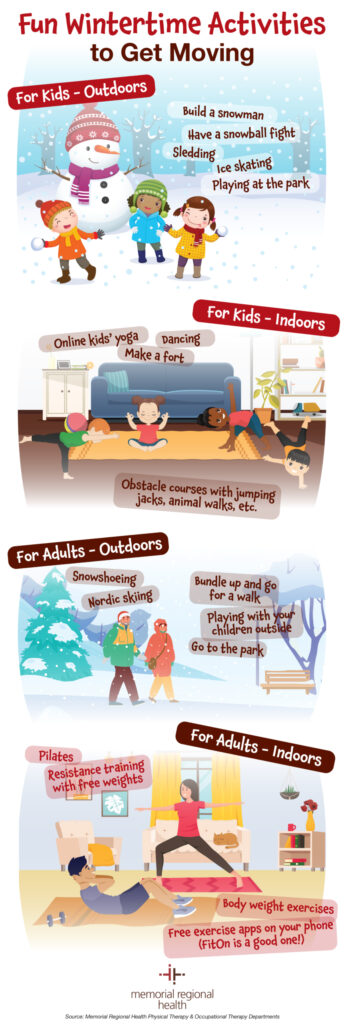
Variety is the spice of life, and this holds true for your workout routines as well. Mixing different types of exercises can keep workouts interesting while also ensuring a more comprehensive fitness regime. Consider these options:
| Activity | Description |
|---|---|
| Walking/Jogging | Simple and effective. Can be done anywhere. |
| Indoor Workouts | Yoga, Pilates, or online workout videos. |
| Strength Training | Use your body weight or incorporate dumbbells and resistance bands. |
| Winter Sports | Ice skating, skiing, or snowboarding if conditions permit. |
Indoor Alternatives
When the weather is just too harsh, there are many indoor options to keep you active. Gyms, indoor pools, and home workout equipment like treadmills or stationary bikes are excellent alternatives. Online workout classes can also provide structure and motivation.
Staying Safe While Exercising in the Cold
Safety should be your top priority when engaging in any physical activity, but it’s especially crucial in colder weather.
Warm-Up and Cool-Down
Never skip your warm-up and cool-down sessions. Cold muscles are more prone to injury, so a proper warm-up is essential to get your blood flowing and to loosen up your muscles. A cool-down helps your body transition back to a resting state and can prevent stiffness.
Stay Hydrated
You might not feel as thirsty during winter, but staying hydrated is just as important as in the warmer months. Dehydration can still occur due to the dry air and sweat from exercise.
Monitor Weather Conditions
Keep a close eye on the weather forecast. Avoid exercising outdoors in extreme conditions, especially when there’s ice, heavy snow, or severe wind chills.
Know the Signs of Hypothermia and Frostbite
Understanding the symptoms of hypothermia and frostbite can help you react promptly if you or someone else is affected:
| Condition | Signs and Symptoms |
|---|---|
| Hypothermia | Shivering, confusion, slurred speech, drowsiness |
| Frostbite | Numbness, white or grayish-yellow skin, firm or waxy skin |
If you notice any of these symptoms, get indoors and seek medical attention immediately.

Motivational Tips to Keep You Going
Staying motivated can be a challenge, especially when the excitement of starting wears off. Here are some tips to keep your motivation high:
Find a Workout Buddy
Having someone to exercise with can make a big difference. You’ll have someone to share your progress with, keep you accountable, and make workouts more enjoyable.
Set Milestones and Rewards
Setting mini-goals along your journey can make the overall objective less daunting. Reward yourself when you achieve these milestones. It doesn’t have to be anything extravagant—sometimes a small treat or taking the day off can be sufficient motivation.
Track Your Progress
Whether it’s through a journal, an app, or a wearable fitness tracker, keeping an eye on your progress can be extremely rewarding and motivating.
Join a Class or Group
Many communities offer group fitness classes or clubs. Joining one can provide structure to your workouts and a sense of community, which can be very motivating.
Embrace the Season
Instead of viewing winter as a barrier, try to see it as an opportunity to engage in activities unique to the season. Winter sports, like skiing or snowboarding, offer a full-body workout and can be incredibly fun.
Sample Beginner Workout Plans
Here’s a sample weekly workout plan to get you started. Feel free to adjust it based on your fitness level and preferences.
Week 1 to 2: Starting Slow
| Day | Activity | Duration |
|---|---|---|
| Mon | Brisk Walking | 20-30 minutes |
| Tue | Indoor Yoga | 30 minutes |
| Wed | Rest Day | – |
| Thu | Brisk Walking | 20-30 minutes |
| Fri | Bodyweight Exercises | 20 minutes |
| Sat | Indoor Aerobics | 30 minutes |
| Sun | Rest Day | – |
Week 3 to 4: Increasing Intensity
| Day | Activity | Duration |
|---|---|---|
| Mon | Jogging | 20-30 minutes |
| Tue | Strength Training | 20 minutes |
| Wed | Rest Day | – |
| Thu | Jogging | 20-30 minutes |
| Fri | Indoor Aerobics | 30 minutes |
| Sat | Winter Sport (if possible) | 30 minutes |
| Sun | Rest Day | – |
Week 5 and Beyond: Sustaining Progress
| Day | Activity | Duration |
|---|---|---|
| Mon | Jogging/Running | 30-40 minutes |
| Tue | Strength Training | 30-40 minutes |
| Wed | Active Recovery (Yoga/Walking) | 20-30 minutes |
| Thu | Jogging/Running | 30-40 minutes |
| Fri | Indoor Aerobics | 30-40 minutes |
| Sat | Winter Sport (if possible) | 40-60 minutes |
| Sun | Rest Day | – |

Dealing with Common Obstacles
Lack of Daylight
With shortened daylight hours, it can be hard to find the time to exercise outside. Try to arrange your schedule to fit in your workouts during the daylight or opt for well-lit areas if you’re exercising after dark.
Inclement Weather
When the weather is uncooperative, don’t hesitate to take your workout indoors. Home workout videos, treadmills, and local gyms are excellent alternatives.
Holiday Season Distractions
The holiday season can be full of distractions, making it easy to skip your workout routine. Keeping your goals in mind and planning your workouts in advance can help you stay on track. Also, consider shorter but more intense workouts to save time.
Final Thoughts
Staying active in cold weather as a beginner may seem daunting, but with the right approach, it’s entirely possible and highly rewarding. Remember, the key is to stay consistent, listen to your body, and enjoy the process. Winter can be a great season to embrace new activities, build resilience, and enhance your overall well-being. So gear up, set your goals, and take the first step towards an active and healthy winter!