
Have you ever felt parched during a workout and wondered if you’re drinking enough water? Staying hydrated during workouts, especially as a beginner, is crucial for not only performing your best but also for maintaining your health. This article, “Staying Hydrated During Workouts as a Beginner,” is designed to help you understand the importance of hydration, how to adequately hydrate yourself before, during, and after exercise, and some tips to ensure you keep your water intake on track.

Why Hydration Is Essential
The Role of Water in Your Body
Water is fundamental to your well-being, playing a critical role in various bodily functions. It helps regulate body temperature, aids digestion, transports nutrients, and lubricates joints. When you’re working out, your body releases heat through sweat to cool down. This loss of water needs to be replaced to prevent dehydration and keep your body functioning optimally.
Hydration and Exercise Performance
As a beginner, you might not realize how much hydration affects your performance. When you’re even slightly dehydrated, you may experience fatigue, decreased coordination, and muscle cramps. Over time, chronic dehydration can lead to more severe health issues. Ensuring you are well-hydrated can enhance your stamina, strength, and overall workout effectiveness.
Signs of Dehydration
Physical Indicators
Being aware of the signs of dehydration is the first step to preventing it. Common physical indicators include:
- Dry mouth and throat
- Dark yellow urine
- Fatigue and dizziness
- Muscle cramps
The Thirst Mechanism
Often, by the time you feel thirsty, your body is already experiencing dehydration. It’s crucial to drink water regularly throughout the day, not just when you’re thirsty.

Hydration Strategies for Beginners
Pre-Workout Hydration
Start hydrating well before your workout begins. Aim to drink about 2-3 cups (500-700 ml) of water 2-3 hours before exercising. This ensures that your body starts off in a well-hydrated state, reducing the risk of dehydration during your workout.
| Time Before Workout | Amount of Water |
|---|---|
| 2-3 Hours | 2-3 Cups (500-700 ml) |
Hydration During Workout
While exercising, the goal is to maintain hydration without overloading your stomach with water. Aim to drink about 1 cup (250 ml) of water every 15-20 minutes during your workout. Adjust this amount based on factors like intensity, duration, and environmental conditions (e.g., hot or humid weather).
| Time Interval | Amount of Water |
|---|---|
| Every 15-20 Minutes | 1 Cup (250 ml) |
Post-Workout Hydration
After your workout, it’s time to replenish the fluids lost through sweat. An easy way to estimate your needs is to weigh yourself before and after exercise. For every pound lost, drink about 2-3 cups (500-700 ml) of water.
| Weight Loss | Amount of Water |
|---|---|
| 1 Pound | 2-3 Cups (500-700 ml) |
Balancing Electrolytes
What Are Electrolytes?
Electrolytes, including sodium, potassium, and magnesium, are minerals that help maintain your body’s fluid balance, nerve function, and muscle contractions. During intense workouts, you lose electrolytes through sweat, and replenishing them is as crucial as hydrating with water.
Electrolyte Sources
While water does a great job of hydrating, sometimes you need more. Consider incorporating electrolyte-rich drinks or foods into your post-workout routine. Sports drinks, coconut water, and snacks like bananas and nuts can help replenish these vital minerals.

Recommendations for Different Exercise Types
Low-Intensity Workouts
For low-intensity activities such as walking or light yoga, your hydration needs might be less intense. Generally, drinking water before and after the workout should suffice, with occasional sips during the activity if it lasts longer than an hour.
Moderate to High-Intensity Workouts
For more intense exercises like running, HIIT, or weightlifting, you need to be more vigilant about your hydration. Follow the 1 cup (250 ml) every 15-20 minutes rule, and be sure to replace lost fluids and electrolytes afterward.
| Workout Intensity | Pre-Workout Needs | During Workout Needs | Post-Workout Needs |
|---|---|---|---|
| Low-Intensity | 2-3 Cups (500-700ml) | Occasional Sips if > 1 Hour | 2-3 Cups (500-700 ml) |
| Moderate to High-Intensity | 2-3 Cups (500-700ml) | 1 Cup (250ml) every 15-20 min | 2-3 Cups (500-700 ml) per lb lost |
Tips to Maintain Hydration
Keep a Water Bottle Handy
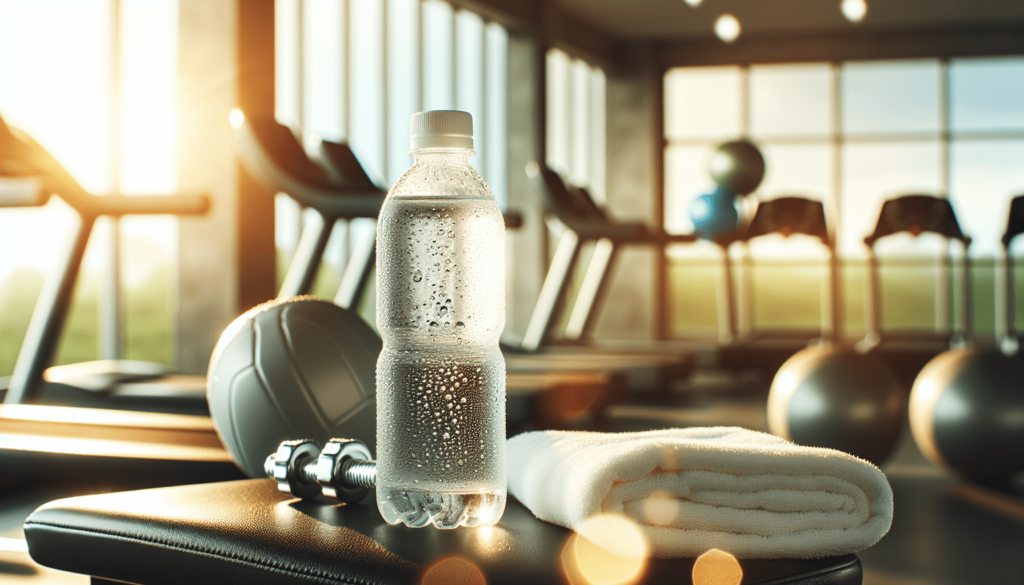
Always have a water bottle with you, whether you’re working out or going about your day. Having it in sight serves as a constant reminder to take a sip.
Set Hydration Reminders
Use phone alarms or hydration apps to remind you to drink water at regular intervals. Especially when starting, these can be incredibly helpful in building a habit.
Flavor Your Water
If you find plain water boring, add some natural flavors like lemon, lime, cucumber, or mint. This can make drinking water more enjoyable and encourage you to stay hydrated.
Monitor Urine Color
A practical way to gauge your hydration level is by observing the color of your urine. Light yellow is generally a sign of good hydration, while dark yellow indicates you need more fluids.
Common Myths About Hydration
Myth: Only Water Hydrates
While water is the best and most straightforward method for hydration, it is not the only way. Foods with high water content (like fruits and veggies) and drinks like herbal teas and milk can also contribute to your daily fluid intake.
Myth: You Can Over-Hydrate
Though rare, it’s possible to drink too much water, a condition known as hyponatremia. This happens when you consume more water than your kidneys can process, leading to low sodium levels in your blood. It’s crucial to balance your water intake with electrolyte consumption, especially during extended and intense workouts.
FAQs About Hydration
How much water should I drink daily?
General guidelines suggest about 8-10 cups (2-2.5 liters) of water daily, but this can vary depending on age, gender, weight, and activity level.
Can drinking too much water be harmful during workouts?
Yes, as previously mentioned, over-hydrating can lead to hyponatremia. Make sure to balance your water intake with electrolytes and listen to your body’s needs.
Is it okay to drink coffee or tea before a workout?
While caffeinated drinks like coffee and tea can dehydrate in excess, moderate consumption is typically fine and can even enhance performance. Just ensure you’re drinking enough water to counterbalance any dehydrating effects.

Conclusion
Staying hydrated during workouts as a beginner sets the foundation for a healthy and successful fitness journey. Remember, hydration before, during, and after your workout is vital. It not only helps you perform better but also protects your health. Keep a water bottle handy, set reminders, and don’t forget to listen to your body’s signals. With these strategies in place, you’ll be well on your way to making hydration a seamless part of your fitness routine. So, keep sipping and stay hydrated!