
Have you ever considered how meditation could significantly improve your fitness recovery process? If you’re an avid fitness enthusiast or an athlete aiming to peak your performance, you’re likely familiar with advanced recovery techniques. But incorporating meditation into your recovery routine can yield substantial benefits that might surprise you.
Understanding Meditation and Fitness Recovery
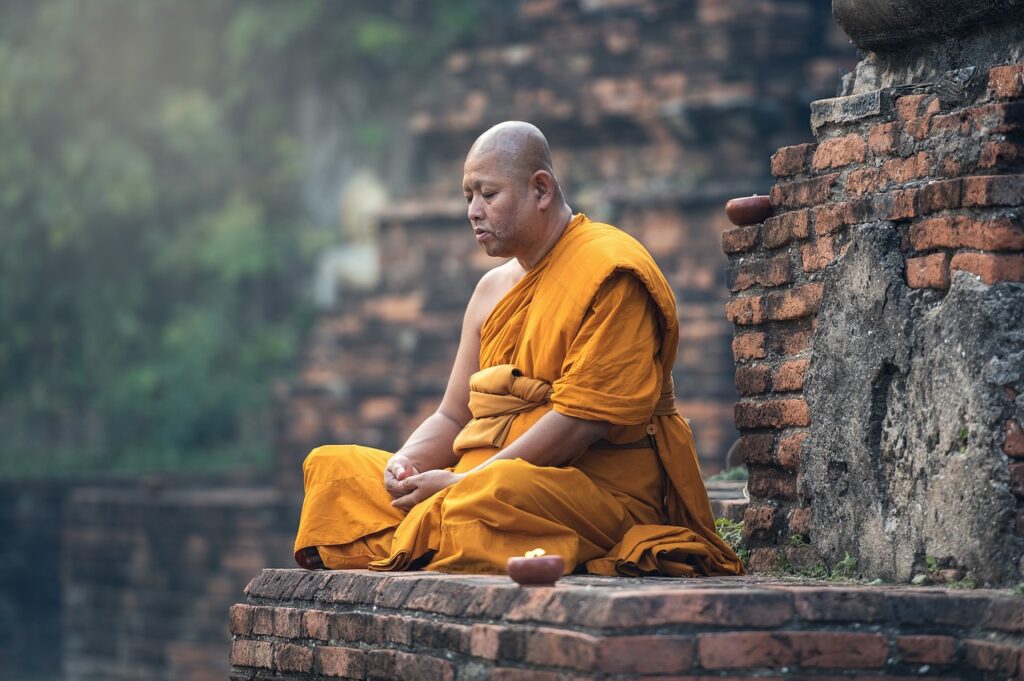
Meditation, often seen as a practice associated with mental calm and spiritual enlightenment, holds significant value when integrated into physical recovery routines. It involves focusing your mind on a particular object, thought, or activity to achieve a mentally clear and emotionally calm state, which can be incredibly beneficial for physical rehabilitation from strenuous activities.
Fitness recovery encompasses various methodologies designed to repair muscle fibers, rebuild strength, and maintain agility after intense workout sessions. It’s during this phase that your body rebuilds itself to become stronger and more resilient. By integrating meditation into your routine, you optimize both physical and mental recovery processes.
The Science Behind Meditation
Meditation’s benefits for fitness recovery are primarily rooted in its ability to enhance relaxation, alleviate stress, and improve focus. Let’s explore the scientific correlation between meditation and fitness recovery.
Reduction of Cortisol Levels
High-intensity workouts elevate your cortisol levels, a hormone linked to stress. While it’s essential for metabolism, excessive cortisol can hinder muscle repair and growth. Meditation helps lower cortisol levels, facilitating quicker and more efficient recovery.
Enhanced Mind-Muscle Connection
When you meditate, you can achieve an enhanced mind-muscle connection. This improved awareness helps you understand your body’s needs and limits better, allowing you to adjust your workout routines and recovery processes accordingly.
Improved Sleep Quality
Quality sleep is paramount for advanced fitness recovery, as your body repairs tissues and builds muscle during deep sleep cycles. Meditation promotes better sleep by reducing anxiety and promoting relaxation, ensuring you get the rest you need for optimal recovery.

Specific Benefits of Meditation for Fitness Recovery
Integrating meditation into your fitness recovery plan yields numerous benefits. Here’s a closer look at how meditation can enhance your post-workout recuperation:
Accelerated Muscle Recovery
By promoting relaxation and alleviating stress, meditation accelerates muscle recovery. It enhances blood flow and reduces muscle tension, allowing muscles to heal faster after intense training.
| Benefit | Description |
|---|---|
| Reduced Stress | Meditation encourages a state of calm, reducing stress hormones and aiding muscle repair. |
| Enhanced Circulation | Increased relaxation leads to better blood flow, delivering essential nutrients to recovering muscles. |
Alleviation of Delayed Onset Muscle Soreness (DOMS)
DOMS, the muscle soreness you feel after a rigorous workout, can be effectively mitigated with meditation. The relaxation response induced by meditation helps ease tension and inflammation, providing relief from soreness.
Enhanced Flexibility and Mobility
Meditation often incorporates deep breathing and mindfulness, which improve flexibility and mobility. This can be particularly beneficial after a workout, helping to stretch and elongate muscles for better recovery outcomes.
Mental Resilience and Focus
The mental clarity and focus gained from meditation can improve your training mindset, making you more resilient to physical and mental challenges. This enhanced mental toughness can help you push through barriers and recover more efficiently.
Implementing Meditation in Your Fitness Routine
Integrating meditation into your fitness regimen doesn’t have to be complicated. Here are strategies to seamlessly incorporate meditation practices into your routine:
Pre-Workout Meditation
Engaging in a brief meditation session before your workout can prime your mind for better focus and motivation. It allows you to set intentions for your training, helping you to stay present and committed to your fitness goals.
- Breathing Exercises: Spend 5-10 minutes on deep breathing exercises to oxygenate your body and calm your mind.
- Visualization Techniques: Visualize your workout, focusing on form and performance, which can enhance physical execution.
Post-Workout Meditation
Meditation after your exercise helps initiate the recovery process by promoting calm and relaxation.
- Body Scan Meditation: Spend 10-15 minutes in a quiet space, mentally scanning your body from head to toe, acknowledging sensations and releasing tension.
- Gratitude Meditation: Reflect on your workout achievements and express gratitude, fostering a positive mindset and effective recovery.
Daily Meditation Practice
Incorporating a daily meditation routine can enhance overall well-being, contributing to better fitness outcomes even on rest days.
- Mindfulness Meditation: Engage in 20-30 minutes of mindfulness meditation to improve awareness and reduce stress.
- Guided Meditations: Use apps or online resources for guided meditation sessions tailored to fitness recovery.

Different Meditation Techniques for Fitness Recovery
There are various meditation techniques you can employ, each offering unique benefits for fitness recovery. Here’s an overview of some effective methods:
Mindfulness Meditation
Mindfulness meditation involves staying present and fully engaging with the current moment. This can be especially helpful for reducing anxiety and improving mental clarity during recovery.
Transcendental Meditation
This technique uses mantras to help achieve a deep state of rest and relaxation. Transcendental meditation can enhance overall restfulness, improving both mental and physical recovery.
Guided Visualization
Guided visualization involves picturing yourself attaining your fitness goals and overcoming challenges. This can positively influence your recovery process by promoting a positive and determined mindset.
Progressive Muscle Relaxation (PMR)
PMR involves tensing and then gradually relaxing different muscle groups. This technique can be particularly useful for alleviating muscle tension and promoting overall relaxation during recovery.
Yoga Nidra
Also known as yogic sleep, Yoga Nidra is a state of conscious relaxation. It helps to relax the mind and body deeply, facilitating effective recovery and reducing fatigue.
Practical Tips for Meditation Practice
To make the most out of your meditation practice, consider these practical tips:
Create a Peaceful Environment
Choose a quiet, comfortable space free from distractions. This environment should help you focus and relax without any interruptions.
Consistency is Key
Like any other fitness routine, consistency is crucial for meditation. Try to meditate at the same time every day to build a habit.
Start Small
If you’re new to meditation, start with short sessions (5-10 minutes) and gradually increase the duration as you become more comfortable with the practice.
Use Technology
There are numerous apps and online platforms offering guided meditations and meditation timers, which can be very helpful for beginners.

FAQs about Meditation and Fitness Recovery
Let’s address some common questions about integrating meditation into your fitness recovery routine.
Can meditation replace traditional recovery methods?
No, meditation should complement traditional recovery methods such as stretching, hydration, proper nutrition, and adequate sleep. It enhances these practices but should not replace them.
How long should I meditate for optimal fitness recovery?
Start with 10-15 minutes of meditation and gradually increase to 30 minutes. The key is to be consistent and integrate it into your routine.
Is it necessary to meditate every day?
Daily meditation can offer cumulative benefits. However, even meditating a few times a week can significantly improve your recovery process.
Can meditation help with chronic pain from exercise?
Yes, meditation can help manage chronic pain by promoting relaxation and reducing stress, which can diminish the perception of pain.
Integrating Meditation into Different Types of Workouts
Different workouts place varying strains on your body, and your meditation practice can be adjusted accordingly. Here’s how:
For Strength Training
Strength training leads to significant muscle strain and micro-tears which require effective recovery.
- Pre-Workout: Visualization meditation to focus on muscle engagement and technique.
- Post-Workout: Progressive Muscle Relaxation to reduce muscle tension and aid recovery.
For Endurance Training
Endurance workouts involve extensive cardiovascular challenges and muscle fatigue.
- Pre-Workout: Breathwork meditation to enhance oxygen intake.
- Post-Workout: Mindfulness meditation to promote relaxation and reduce physical stress.
For Flexibility Training
Flexibility exercises require your muscles to stretch and elongate, demanding a different recovery approach.
- Pre-Workout: Mindfulness meditation to stay present and engaged with muscle stretches.
- Post-Workout: Body Scan Meditation to identify and alleviate any muscle tension.
For High-Intensity Interval Training (HIIT)
HIIT pushes your muscles and cardiovascular system to their limits in short bursts.
- Pre-Workout: Breathing exercises to oxygenate and prepare your system.
- Post-Workout: Guided Visualization to mentally recover and relax after intense sessions.

Long-term Benefits of Meditation for Fitness Enthusiasts
Investing time in meditation not only aids immediate recovery but also offers long-term benefits. Consistent meditation practice can lead to lasting improvements in your overall fitness and well-being.
Increased Mental Clarity
Consistent meditation helps clear mental fog, making you more focused and efficient in your workouts and daily life.
Enhanced Emotional Stability
Meditation fosters emotional regulation, helping you remain calm and composed under pressure. This can be particularly beneficial during competitive sports or challenging workout routines.
Improved Stress Management
Meditation teaches you techniques to manage stress better, reducing its impact on your body and enhancing your overall recovery.
Sustainable Performance Improvement
With better recovery, reduced injury rates, and enhanced mental resilience, you can achieve and sustain higher levels of performance over time.
Conclusion
Meditation is an invaluable tool for advanced fitness recovery. It not only helps accelerate physical recovery processes but also fosters mental clarity and emotional stability, contributing to a holistic approach to fitness. By integrating meditation into your recovery routine, you create a well-rounded regimen that promotes both physical and mental well-being. So, consider making meditation a cornerstone of your fitness journey to experience its profound benefits. It could be the missing piece that takes your recovery and performance to the next level.