
Have you ever wondered how athletes and fitness enthusiasts recover so quickly after intense workouts? The secret often lies in their recovery routine, which frequently includes tools like vibrating foam rollers. If you’re looking to learn more about this topic, you’re in the right place.
The Benefits of Using a Vibrating Foam Roller for Muscle Recovery
Recovery is a crucial component of any fitness routine, and vibrating foam rollers have emerged as a highly effective tool to expedite and improve this process. Here, we’ll delve into the various benefits of using a vibrating foam roller for muscle recovery, and why you might want to incorporate one into your own fitness regimen.

Understanding Vibrating Foam Rollers
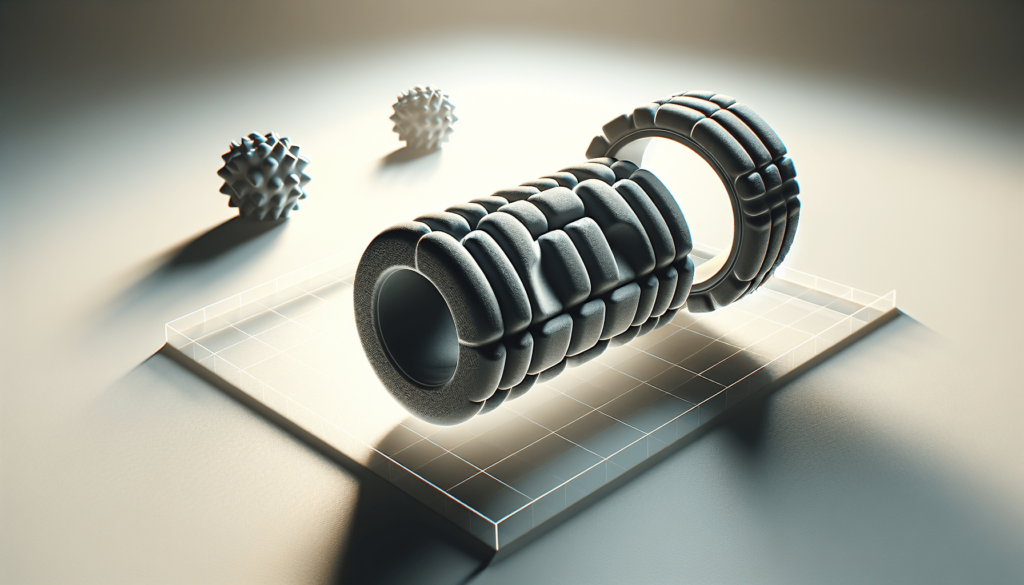
Before diving into the benefits, it’s essential to understand what a vibrating foam roller is and how it works. Unlike traditional foam rollers, these devices come embedded with vibration technology. This feature provides an added layer of stimulation to the muscles, which can enhance the overall effectiveness of your recovery routine.
What Makes a Vibrating Foam Roller Different?
Standard foam rollers primarily work through a method called Self-Myofascial Release (SMR), where you use body weight to apply pressure to specific points on your muscles. The added vibration in a vibrating foam roller helps to penetrate deeper muscle layers and provides an additional form of stimulation that can improve blood flow and muscle relaxation.
How Do Vibrating Foam Rollers Work?
When you roll out your muscles using a vibrating foam roller, the combined pressure and vibration work together to release tension, break up scar tissue, and improve circulation. This multifaceted approach leads to quicker and more effective muscle recovery compared to using traditional foam rollers alone.
Benefits of Using a Vibrating Foam Roller
Now that you understand what a vibrating foam roller is, let’s explore the myriad benefits it offers for muscle recovery.
Enhanced Blood Circulation
One of the primary advantages of using a vibrating foam roller is the enhancement of blood circulation. The vibrations help dilate your blood vessels, improving blood flow to your muscles. This increased blood circulation delivers more oxygen and nutrients to the affected muscles, accelerating the healing process.
Reduced Muscle Soreness and Stiffness
Post-exercise muscle soreness, often termed Delayed Onset Muscle Soreness (DOMS), can hinder your fitness progress. Vibrating foam rollers are excellent at reducing these symptoms. The vibrations help to soothe the muscles, alleviating stiffness and significantly reducing soreness.
Faster Recovery Times
Using a vibrating foam roller can significantly speed up your recovery time. By enhancing blood flow, reducing muscle stiffness and soreness, and breaking up scar tissue, the recovery process becomes more efficient. This means you can get back to your training routine sooner and with less discomfort.
Improved Flexibility and Range of Motion
Another significant benefit is the improvement in flexibility and range of motion. The deep massage action provided by the vibrating foam roller helps in loosening tight muscles, making them more pliable. This can greatly enhance your performance in physical activities and reduce the risk of injuries.
Psychological Benefits
The benefits of vibrating foam rollers aren’t just physical; they can also have psychological advantages. The act of rolling can be relaxing and stress-relieving, which in turn can improve your mental well-being. A less stressed mind can contribute to better overall health and faster recovery.
Customizable Vibration Settings
Many vibrating foam rollers come equipped with multiple vibration settings, allowing you to tailor the intensity according to your needs. Whether you require a gentle massage or more intense muscle stimulation, you can adjust the settings to suit your preferences.
Portability and Convenience
Modern vibrating foam rollers are designed to be lightweight and portable. This makes it easy for you to carry them to the gym, on travel, or even use them in the comfort of your home. The convenience factor ensures that you can incorporate muscle recovery into your routine, no matter where you are.
Comparing Traditional Foam Rollers to Vibrating Foam Rollers
To better illustrate the benefits, let’s compare traditional foam rollers to vibrating foam rollers in a tabular format.
| Feature | Traditional Foam Roller | Vibrating Foam Roller |
|---|---|---|
| Blood Circulation | Improves moderately | Significantly enhanced |
| Muscle Soreness | Reduces | Greatly reduces |
| Recovery Time | Standard | Faster |
| Flexibility | Improves | Significantly improves |
| Range of Motion | Limited improvement | Greater improvement |
| Psychological Benefits | Minimal | Noticeable |
| Customizable Settings | No | Yes |
| Portability | High | High |
How to Use a Vibrating Foam Roller
Using a vibrating foam roller might seem daunting at first, but it’s pretty straightforward. Here are some steps to help you get started.
Step-by-Step Guide
- Choose the Right Setting: Start with the lowest vibration setting, especially if you’re new to foam rolling. Gradually increase the intensity as you get more comfortable.
- Target Specific Muscles: Focus on one muscle group at a time. Common areas include calves, hamstrings, quads, and the back.
- Apply Pressure Gradually: Apply gentle pressure and slowly increase as your muscles begin to relax.
- Roll Slowly: Slowly roll the foam roller back and forth across the muscle, stopping on tender spots to allow the vibration to penetrate deeper.
- Duration: Spend about 1-2 minutes on each muscle group. You can increase the duration as you become more accustomed to the vibrations.
Tips for Effective Use
- Hydrate: Staying hydrated helps improve muscle pliability and can make the foam rolling process more effective.
- Consistency: Like any recovery method, consistency is key. Incorporate vibrating foam rolling into your regular routine for the best results.
- Listen to Your Body: If you experience significant pain or discomfort, stop and consult a healthcare professional.
Common Mistakes to Avoid
- Rolling Too Fast: Rolling too quickly can be less effective and may even cause more harm than good.
- Ignoring Pain: Pain is a signal from your body that something is wrong. Don’t push through extreme pain.
- Incorrect Form: Ensure you’re using proper form to avoid any potential injuries.

Who Can Benefit from a Vibrating Foam Roller?
The versatility of vibrating foam rollers means that a wide range of individuals can benefit from using them. Let’s look at specific groups who might find these tools particularly useful.
Athletes
Athletes often subject their bodies to intense physical stress, making recovery crucial. Vibrating foam rollers can help them recover faster, reduce the risk of injury, and improve their overall performance.
Fitness Enthusiasts
Even if you’re not a professional athlete, if you engage in regular physical activity, a vibrating foam roller can be incredibly beneficial. From reducing muscle soreness to improving flexibility, it can significantly enhance your post-workout recovery.
Office Workers
Spending long hours at a desk can lead to muscle stiffness and discomfort. A vibrating foam roller can help alleviate tension and improve mobility, making it a useful tool for anyone with a sedentary lifestyle.
Older Adults
As we age, maintaining flexibility and muscle function becomes increasingly important. Vibrating foam rollers can help older adults manage muscle pain and stiffness, improving their quality of life.
Rehabilitation Patients
For individuals recovering from injuries, vibrating foam rollers can be an effective part of a rehabilitation program. They help in enhancing blood flow, reducing muscle tightness, and accelerating recovery.
Choosing the Right Vibrating Foam Roller
Selecting the right vibrating foam roller can be a daunting task, given the number of options available. Here are some factors to consider when making your choice.
Intensity Levels
Look for a foam roller with multiple vibration settings. This allows you to customize your experience and find the intensity that works best for your needs.
Size and Shape
Vibrating foam rollers come in various sizes and shapes. Smaller rollers are great for targeting specific areas like the neck or arms, while larger rollers are better for broader muscle groups.
Battery Life
Ensure the foam roller has a long-lasting battery, especially if you plan to use it frequently or take it on the go. Some models offer up to several hours of continuous use on a single charge.
Material and Durability
Choose a foam roller made from high-quality, durable materials. This ensures it can withstand regular use and provide consistent performance.
Price
While it’s tempting to go for cheaper options, investing in a high-quality vibrating foam roller can offer better results and longevity. Consider your budget but prioritize features and quality.
User Reviews and Recommendations
Reading user reviews and recommendations can provide valuable insights into the effectiveness and durability of different models. Look for feedback from individuals with similar needs and fitness levels to your own.
Conclusion
Incorporating a vibrating foam roller into your muscle recovery routine can have a multitude of benefits. From enhanced blood circulation to reduced muscle soreness and faster recovery times, this simple tool can significantly improve your post-workout recovery process. Whether you’re an athlete, a fitness enthusiast, or someone looking to alleviate muscle tension from daily activities, a vibrating foam roller can be a valuable addition to your wellness arsenal.
Take the time to find the right vibrating foam roller for your needs, and you’ll likely find that both your performance and overall well-being improve. So, why not give it a try and experience the benefits for yourself?