
Have you ever found yourself tripping over a stray dumbbell or rummaging through a disorganized pile of resistance bands? If so, you’re not alone. Storing and organizing fitness equipment at home can be quite a challenge, especially when space is limited. However, with a little planning and creativity, you can create a well-organized home gym that makes your workout routine smoother and more enjoyable.
Why Organizing Your Fitness Equipment Is Important
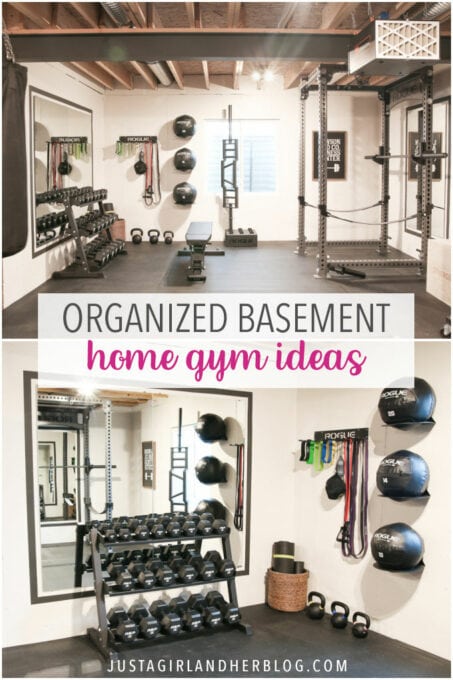
Organizing your fitness equipment goes beyond keeping your space tidy; it has several benefits that can elevate your workouts. First off, a well-organized space can significantly reduce the time you spend searching for the equipment you need. More importantly, it can also improve the safety of your workout area by reducing tripping hazards. Additionally, the visual appeal of a clean and organized space can increase your motivation to stick to your fitness routine.
Assessing Your Space
Before diving into storage solutions, take a good look at your available space. Whether you have an entire room dedicated to fitness or just a corner in your living room, measuring your available area is the first step. Knowing the exact dimensions will help you to choose and implement storage solutions that fit perfectly without overcrowding.
Measure Your Available Space
Grab a tape measure and jot down the dimensions of the area you have. Remember to factor in ceiling height for equipment like pull-up bars or elliptical machines. These measurements will serve as a guide when choosing storage solutions.
| Measurement Type | Area (Feet/Inches) |
|---|---|
| Length | |
| Width | |
| Ceiling Height (if applicable) |
Consider the Flow of Movement
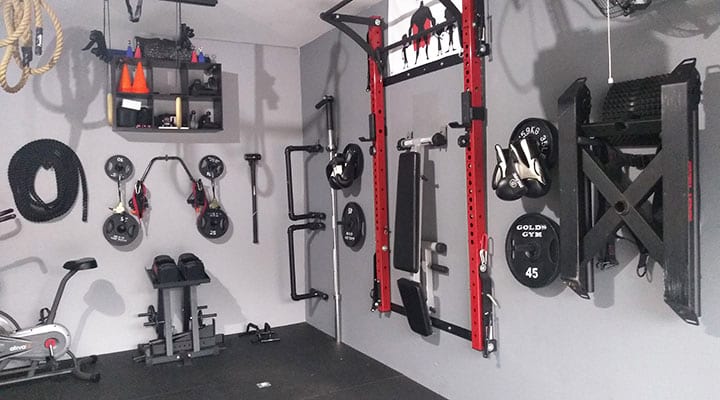
When planning your storage, think about how you move through your space during a workout. Make sure you can easily access each piece of equipment without having to navigate a maze. Ideally, heavier equipment should be closer to the ground, while lighter items can be stored higher up.
Decluttering Before Organizing
Before you start organizing, take a moment to declutter your fitness space. You might be surprised by how much stuff you don’t actually use. Sort through your items and decide what to keep, what to donate, and what to trash.
Keep, Donate, or Trash
Create three piles: one for items you use regularly, one for items you haven’t used in months but are in good condition, and one for broken or worn-out items that need to go.
| Category | Action |
|---|---|
| Frequently Used Items | Keep |
| Gently Used/Unnecessary Items | Donate |
| Broken/Old Items | Trash |
Choosing the Right Storage Solutions
There are various storage solutions available, and the best one for you depends on the equipment you own and the space you have.
Shelving Units
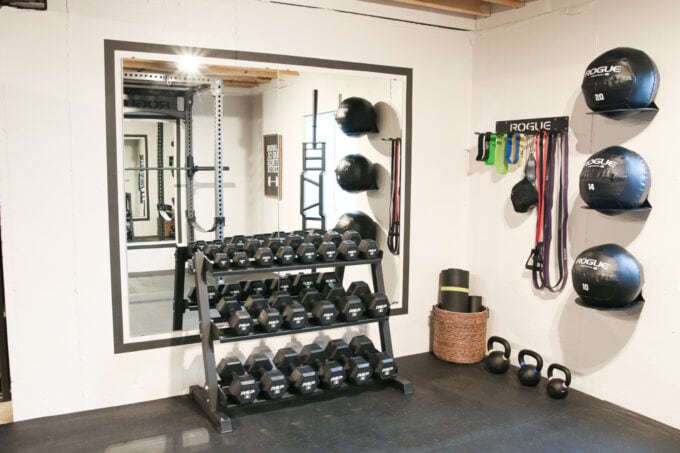
Shelves can be a game-changer for organizing smaller items like hand weights, yoga blocks, and kettlebells. Look for sturdy shelving units that can bear considerable weight. Adjustable shelves are a bonus, allowing you to change the configuration as your equipment changes.
Pegboards
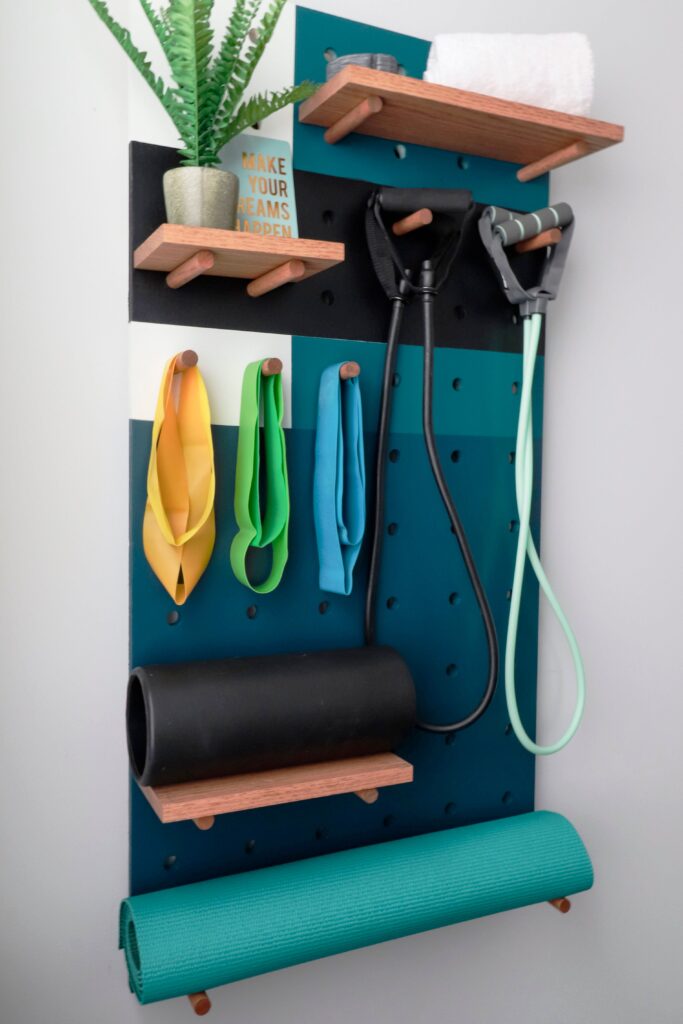
Pegboards are a versatile option for hanging lighter items like resistance bands, jump ropes, and even yoga mats. The pegs can be rearranged to accommodate different types of equipment, making this a flexible storage solution.
Equipment Racks
Specialized racks can be used for storing items like dumbbells, barbells, and weight plates. These racks often come with multiple tiers and are designed to keep your equipment secure while minimizing space usage.
Storage Bins and Baskets
For smaller or oddly shaped items, storage bins or baskets can be incredibly useful. Label these bins for easy access and stack them to make the most of your vertical space.
Wall-Mounted Storage
If floor space is at a premium, consider wall-mounted storage solutions. These can range from hooks and brackets to specialized wall racks for bikes or yoga mats. Wall-mounted storage keeps your equipment off the ground, freeing up floor space for your workouts.
Multi-Function Furniture
Some pieces of furniture can double as storage. For instance, benches with built-in storage compartments can hold smaller items like resistance bands or yoga blocks. Look for furniture that serves a dual purpose to maximize your space.
Tips for Storing Specific Types of Equipment
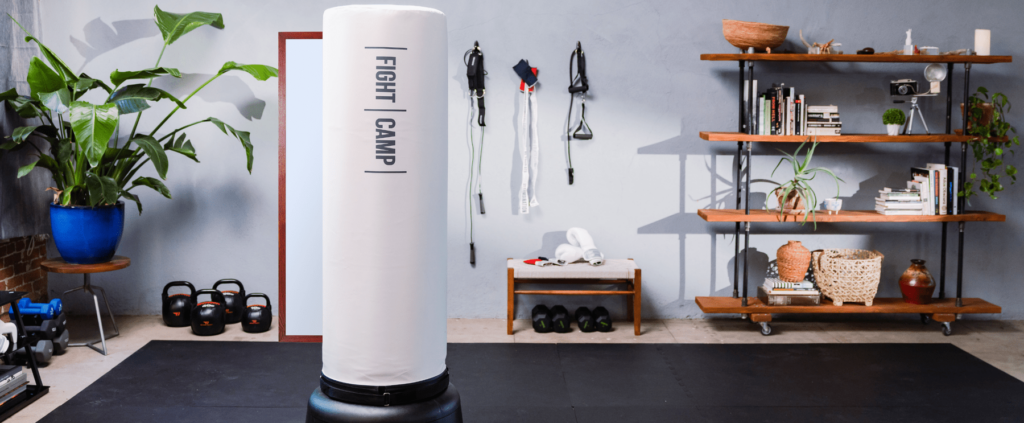
Different types of fitness equipment require different storage solutions. Here are some tips to help you store various types of equipment efficiently.
Free Weights (Dumbbells, Kettlebells)
Use a weight rack to keep your free weights organized. If a rack is not an option, consider using a sturdy shelf. Ensure that these are placed close to the ground to prevent accidents.
Resistance Bands
Hang resistance bands on a pegboard or wall hooks. This prevents them from getting tangled and makes them easily accessible.
Yoga Mats and Blocks
Invest in a wall-mounted yoga mat rack or use a basket for storing your mats. Yoga blocks can be placed on shelves or stored in bins.
Cardio Equipment (Bikes, Treadmills)
For larger items like bikes and treadmills, consider their placement carefully. These pieces of equipment are usually stationary and can hog up a lot of space. If possible, position them along a wall to maximize your workout area.
Smaller Accessories (Jump Ropes, Towels)
Use smaller bins or baskets for storing accessories like jump ropes and towels. Label these containers to make it easy to find what you need quickly.
Creating Zones in Your Home Gym
Creating designated zones for different types of workouts can make your home gym more functional. This approach allows you to streamline your activities and switch between different workouts seamlessly.
Cardio Zone
Keep all your cardio equipment like treadmills, stationary bikes, and jump ropes in one area. This setup ensures you have enough space to move freely during high-intensity workouts.
Strength Training Zone
Store all your free weights, resistance bands, and benches in a designated strength training zone. This area should be spacious enough to allow for a range of movements without hindrance.
Flexibility and Stretching Zone
A designated area with yoga mats, blocks, and foam rollers can serve as your flexibility and stretching zone. This area should be calm and comfortable, making it easier to focus on your stretches and recovery exercises.
Storage Zone
Create a specific area for storing items that you don’t use every day but still need to keep on hand. This could include seasonal equipment or specialized workout gear.
Maintaining Your Organized Space
Maintaining an organized fitness space requires regular effort. However, it’s easier to stick to if you build it into your routine.
Regular Cleaning
Dust and clean your equipment regularly to keep it in good condition. This also helps in maintaining the visual appeal of your space.
Routine Decluttering
Set a schedule to reevaluate your equipment every few months. This helps in identifying items that you no longer use and can donate or discard accordingly.
Quick Organization Checks
Spend a few minutes after each workout to put everything back in its place. This small habit can make a big difference in maintaining an organized space.
Leveraging Technology for Organization
Technology can be a great aid in keeping your fitness space organized. Here are a couple of ways to utilize technology.
Workout Apps
Some workout apps help you keep track of which equipment you’ll need for each session. This can help you plan your workouts and ensure that everything is in its place beforehand.
Digital Inventory
Keep a digital inventory of your fitness equipment. This can be as simple as a note on your phone listing all the items you have and their location. It can save you time when you’re looking for something specific.
Smart Storage Solutions
Some modern storage solutions come with smart features like built-in charging stations or integrated speakers. These can add convenience and functionality to your home gym.
Customizing Your Space
Every fitness journey is unique, and your home gym should reflect that. Customizing your space to fit your needs can make your workouts more enjoyable and efficient.
Personal Touches
Incorporate elements that motivate you, whether it’s inspirational quotes, a vision board, or even incorporating speakers for your favorite workout playlist.
Adaptable Storage
Choose storage solutions that can grow with your fitness journey. As you add new equipment or change your routine, having adaptable storage will make it easier to reconfigure your space.
Multi-Use Equipment
Consider investing in multi-use equipment that serves various purposes. This can be especially useful if you’re working with limited space.
Conclusion
Organizing and storing your fitness equipment at home might take a bit of effort initially, but the benefits far outweigh the challenges. A well-organized space can make your workouts more efficient, safe, and enjoyable. From choosing the right storage solutions to creating designated workout zones, there are numerous ways to tailor your space to fit your fitness goals. Begin by assessing your space, decluttering unnecessary items, and selecting storage solutions that meet your needs. Regular maintenance and incorporating technology can also simplify the process. Ultimately, your organized home gym will serve as a motivating and efficient space, helping you stay committed to your fitness journey. So go ahead, make your workout area as effective and motivating as your fitness goals are.