
Have you ever wondered how you can make the most out of your foam roller for recovery and flexibility? In this guide, we’ll go over the best ways to do just that, helping you optimize your recovery time and achieve better flexibility. Foam rolling may seem simple, but there’s a lot more to it than meets the eye.
What Is a Foam Roller?
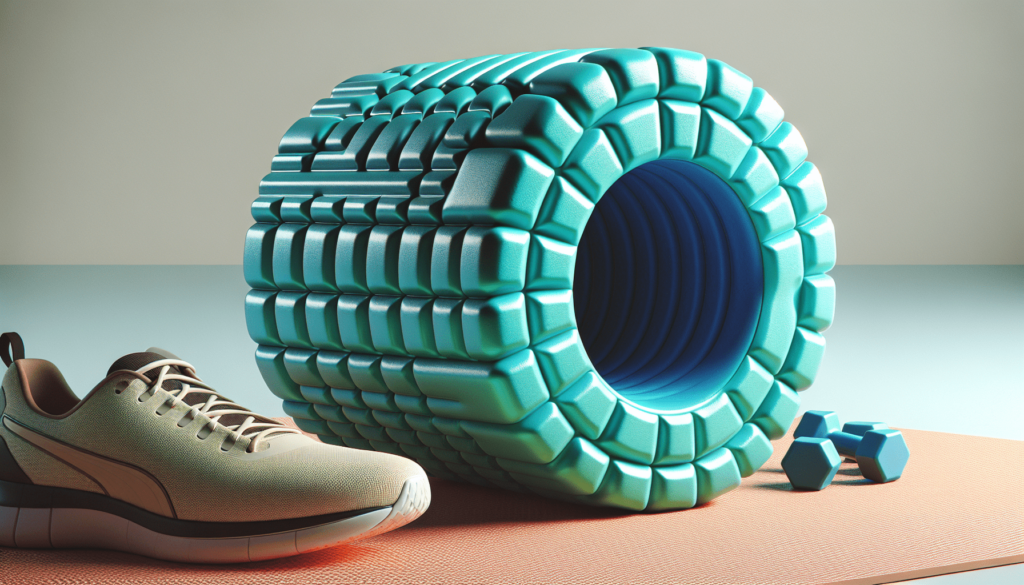
A foam roller is a cylindrical tool typically made of dense foam. It’s used in various physical therapy applications, especially for self-myofascial release (SMR). By using your body weight to apply pressure to specific areas, a foam roller helps break up scar tissue, improve blood flow, and release muscle knots.
Why Use a Foam Roller?
Understanding why you should use a foam roller can motivate you to stick to a dedicated routine. Here’s a quick rundown of the primary benefits you’ll gain:
Enhanced Recovery
One of the biggest reasons to use a foam roller is to speed up recovery time. By rolling out your muscles, you increase blood flow, which can help reduce soreness and expedite the healing process.
Increased Flexibility
Regularly using a foam roller can help maintain and improve flexibility. This added flexibility can make you less prone to injuries and improve your overall performance, whether in sports or daily activities.
Pain Reduction
Foam rolling can alleviate various types of pain, especially if you suffer from conditions like muscle tension or delayed onset muscle soreness (DOMS). The pressure applied during rolling helps release trigger points and tight areas, reducing discomfort.

How to Choose the Right Foam Roller
Choosing the right foam roller is essential for maximum benefit. Not all foam rollers are created equal; they come in different shapes, sizes, and densities. Here are some factors to consider:
| Type | Features | Best For |
|---|---|---|
| Soft Rollers | Made of softer foam, these provide a gentler massage. | Beginners, sensitive areas |
| Firm Rollers | Harder foam that offers deeper, more intense pressure. | Experienced users, deep tissue |
| Textured Rollers | Have bumps and ridges designed to mimic a deep-tissue massage from a therapist. | Targeting knots, trigger points |
| Smooth Rollers | Uniform surface for consistent pressure. | Overall body rolling |
| Short Rollers | Smaller and more portable. | Travel, targeted areas |
| Long Rollers | Typically around 36 inches, can cover more surface area. | Full body use, beginners |
Best Practices for Foam Rolling
Warm-Up and Cool Down
Foam rolling can be beneficial both before and after your workout. Before exercising, it can help warm up your muscles, preparing them for activity. Post-workout, it aids in recovery, reducing muscle soreness and stiffness.
Hydrate
Ensure you are well-hydrated before foam rolling. Proper hydration keeps your fascia (a sheath of connective tissue) hydrated, facilitating smoother rolling and better muscle release.
Start Slow
Begin with less pressure and gradually increase as your muscles become more accustomed to the foam roller. Starting slow can prevent unnecessary pain and muscle damage.
Focus on Breathing
Breathing deeply can help you relax and tolerate the pressure better. Inhale deeply through your nose, allowing your lungs to expand fully, and exhale through your mouth.
Techniques for Effective Foam Rolling
Quadriceps
Your quadriceps are often tight, especially if you engage in activities like running or cycling.
- Lie face down with the foam roller under your thighs.
- Support your weight with your forearms.
- Roll from your hip to just above your knee, stopping on any sore points.
- Spend about 30 seconds to 1 minute on each leg.
Hamstrings
Hamstrings can get tight from sitting for long periods.
- Sit on the floor and place the foam roller under your thighs.
- Lift yourself using your hands and roll from the back of your knee to your glutes.
- Focus on sore spots for about 30 seconds to 1 minute.
IT Band
The IT band runs along the outside of your thigh and can get particularly tight.
- Lie on your side with the foam roller positioned under your hip.
- Support your upper body with your forearm.
- Roll from your hip to just above your knee.
- This area can be very sensitive, so start slow and spend about 30 seconds to 1 minute on each side.
Calves
Your calves often bear the brunt of a lot of activities, making them prone to tightness.
- Sit on the floor with the foam roller under your calves.
- Support your weight with your hands.
- Roll from just below your knee to your ankle.
- Focus on sore spots for about 30 seconds to 1 minute per leg.
Glutes
The gluteal muscles can benefit significantly from foam rolling, especially if you sit a lot.
- Sit on the foam roller.
- Cross one leg over the opposite knee.
- Lean towards the crossed leg.
- Roll back and forth, focusing on areas that feel tense.
- Spend about 30 seconds to 1 minute per side.
Upper Back
Your upper back can get tight from poor posture and desk work.
- Lie on your back with the foam roller under your shoulder blades.
- Cross your arms over your chest or place your hands behind your head.
- Roll from your upper shoulder blades to the middle of your back.
- Spend about 30 seconds to 1 minute in this area.
Lower Back
Be cautious when foam rolling your lower back to avoid strain.
- Lie on your back with the foam roller under your lower back.
- Cross your arms over your chest or place your hands behind your head.
- Gently roll from the bottom of your rib cage to just above your hips.
- Move slowly and mindfully, focusing on breathing.
Integrating Foam Rolling into Your Routine
Pre-Workout Routine
Incorporating foam rolling into your pre-workout routine can help warm up your muscles and prepare them for action, thereby reducing the risk of injury.
- Spend 5-10 minutes foam rolling major muscle groups.
- Focus on areas particularly tight or sore.
- Combine with dynamic stretches to enhance pre-workout effectiveness.
Post-Workout Routine
Using a foam roller post-workout aids in recovery and reduces muscle soreness.
- Spend an additional 5-10 minutes focusing on areas worked during the exercise session.
- Roll slowly and increase pressure as needed.
- Pair with static stretches to improve overall recovery.
Daily Routine
To maintain flexibility and prevent stiffness, consider integrating foam rolling into your daily routine.
- Spend 10-15 minutes each day foam rolling high-tension areas.
- Make it part of your morning or bedtime routine.
- Use it in conjunction with other self-care practices like stretching or yoga.

Common Mistakes and How to Avoid Them
Rolling Too Quickly
Rolling too fast doesn’t give your muscles enough time to relax and release tension.
Solution: Slow down and allow the foam roller to work on each area effectively.
Ignoring Pain Signals
Ignoring sharp or severe pain can lead to injury.
Solution: Pay attention to your body’s signals. If something feels wrong or overly painful, stop and adjust.
Skipping Sensitive Areas
Some areas might be tender, but that doesn’t mean you should avoid them entirely.
Solution: Approach sensitive areas with care, using a lighter touch, and increase pressure gradually.
Using the Roller Only on Flat Areas
Muscle knots can exist in hard-to-reach places that a flat surface might not effectively address.
Solution: Use different angles and body positions to target those knots.
Advanced Foam Rolling Techniques
Pin and Stretch
This method involves pinning down a specific muscle group with the roller and then stretching that muscle.
- Focus on a specific spot, applying constant pressure.
- Perform small movements around the area to work the muscle.
- Combine with stretching for enhanced release.
Alternating Pressure
Instead of constant pressure, switch between high and low pressure for a more dynamic massage.
- Roll over the muscle, applying high pressure to sore spots.
- Release by easing off the pressure.
- Repeat the cycle to help muscles relax and recover.
Combining with Resistance Bands
Resistance bands can be used in concert with foam rolling for an intensive muscle release session.
- Fix the resistance band around a sturdy pole or anchor point.
- Position yourself with the roller under the targeted muscle.
- Use the band to perform resistance-based movements while rolling to add an extra layer of stretch and contraction.
Conclusion
Using a foam roller can be a game-changer when it comes to your recovery and flexibility. By understanding how to properly use this tool, you can maximize its benefits, from enhanced recovery and increased flexibility to pain reduction. Equip yourself with the knowledge of different techniques, proper usage methods, and the right type of foam roller to ensure you’re getting the most out of this valuable piece of equipment.
Whether you’re new to foam rolling or looking to deepen your practice, integrating these techniques into your regimen can offer lifelong benefits. So, grab your foam roller and start reaping these rewards today!