
Have you ever wondered why some lifters seem to hit a plateau, despite putting in colossal effort and dedication? The answer often lies in proper form. Advanced lifting isn’t just about hoisting heavier weights—it’s a science, an art that demands precision and mindful execution. Many seasoned lifters think they can push their limits through sheer willpower, but without proper form, they not only shortchange their progress but also risk serious injury.

Why Does Proper Form Matter in Advanced Lifting?
When you advance in lifting, your body requires more precise and mindful techniques to handle increasing loads. Proper form ensures that you are maximizing the efficiency of your workouts while minimizing the risk of injury. It’s the balance between capability and control, allowing you to reach your fitness goals sustainably.
Maximizing Muscle Engagement
Each exercise targets specific muscle groups. Proper form allows for these muscles to be engaged fully, ensuring that they are stimulated effectively. For instance, the squat primarily targets the quadriceps, hamstrings, and glutes. Incorrect form, such as leaning too far forward, can shift the focus away from these key muscles and put undue strain on your back and knees.
Injury Prevention
Faulty form can place unnecessary stress on your joints, ligaments, and tendons. This is particularly crucial for advanced lifters who often deal with heavier weights. Consider this: lifting with incorrect form is like driving with misaligned wheels. Eventually, something has to give. Proper form creates a safer environment for your muscles and joints, mitigating the chances of acute and chronic injuries.
Efficiency and Performance
Lifting with proper form ensures that each movement is as efficient as possible, leading to better performance. When every muscle works in harmony, you generate more power and endurance, allowing you to push your limits safely.
Common Mistakes in Advanced Lifting
Even experienced lifters can fall prey to some common mistakes. Recognizing these pitfalls early can help you correct your course and avoid potential setbacks.
Tendency to Overcompensate
One common issue is overcompensating with other muscle groups when the primary ones tire out. For example, if your core isn’t strong enough to stabilize during a deadlift, your lower back might take on more of the load, leading to strain and potential injury.
Incorrect Breathing Techniques
Believe it or not, your breathing technique plays a crucial role in maintaining proper form. Inadequate breathing impairs your ability to stabilize your core, which is essential for heavy lifting. Learning to breathe correctly—often through inhaling before the lift and exhaling during the exertion phase—can drastically improve your form and performance.
Rapid Progression
Many seasoned lifters make the mistake of rapidly increasing weights to challenge themselves. However, adding weight too quickly can compromise your form. Gradual increments give your body the chance to adapt and maintain proper technique.

Techniques to Ensure Proper Form
Proper form is a mix of theoretical knowledge and practical application. Here are several ways to ensure you’re lifting correctly:
Use of Mirrors and Video Analysis
Mirrors are more than just a tool for vanity; they help in ensuring that your form is correct. Observing yourself allows for real-time correction. Similarly, video analysis can offer insights. Recording your sets and reviewing them provides you with an external perspective, making it easier to spot and rectify mistakes.
Working with a Professional
Engaging with a certified trainer or a lifting coach can be incredibly beneficial. Professionals offer not only initial guidance but also periodic assessments to ensure you’re on the right track. Their expertise can tailor a program that focuses on correcting your form while pushing your limits.
Progressive Load Monitoring
To maintain proper form, it’s essential to follow a progressive loading framework. Gradually increasing the weight allows your muscles and joints to adapt, keeping the form in check.
| Week | Percentage of Max Load | Focus Area |
|---|---|---|
| 1 | 60-70% | Technique & Endurance |
| 2 | 70-80% | Strength & Stability |
| 3 | 80-90% | Power & Performance |
| 4 | 50-60% | Recovery & Assessment |
The Role of Flexibility and Mobility
Flexibility and mobility often get overlooked but are intrinsically linked to proper form. Without adequate flexibility, executing movements with correct form can be challenging.
Flexibility Exercises
Regular stretching exercises, such as hamstring stretches and hip openers, can improve your range of motion. Improved flexibility allows you to perform lifts like the overhead press with better posture, ensuring all muscle groups are engaged correctly.
Mobility Drills
While flexibility deals with muscle elongation, mobility focuses on the range of motion within your joints. Incorporating mobility drills, such as hip circles or thoracic rotations, can make a massive difference in your ability to maintain proper form under load.

Case Studies of Proper Form in Specific Lifts
Understanding the importance of form becomes easier when applied to specific lifts. Let’s explore some key exercises where proper form is paramount.
The Squat
Proper Form:
- Stand with feet shoulder-width apart and toes slightly pointed out.
- Keep your chest up and engage your core.
- Lower your hips back and down, as if sitting in a chair.
- Ensure your knees track over your toes without collapsing inwards.
- Maintain a neutral spine and drive through the heels to return to the starting position.
Common Mistakes:
- Collapsing knees.
- Lifting the heels off the ground.
- Excessive forward lean.
The Deadlift
Proper Form:
- Stand with feet hip-width apart and barbell over midfoot.
- Hinge at your hips and bend your knees to grasp the bar.
- Keep your spine neutral and engage your core.
- Lift the bar by extending your hips and knees simultaneously.
- Avoid shrugging your shoulders or hyperextending your back at the top.
Common Mistakes:
- Rounded back.
- Using too much lower back rather than legs.
- Jerking the bar off the ground.
The Bench Press
Proper Form:
- Lie flat on the bench with feet firmly planted on the ground.
- Grip the barbell slightly wider than shoulder-width apart.
- Engage your core and keep your shoulders retracted.
- Lower the bar to your mid-chest, keeping elbows at a 45-degree angle.
- Push the bar back up to the starting position, maintaining control.
Common Mistakes:
- Flared elbows.
- Bouncing the bar off the chest.
- Inadequate arch in the back.
Mental Focus and Proper Form
Psychological factors can significantly influence your form. Mental distractions or lack of focus can lead to sloppy technique, even for seasoned lifters.
Visualization Techniques
Visualizing the correct form before and during your lift can significantly improve your execution. Envisioning yourself performing the exercise with perfect technique engages your mind and body, helping to align your movements properly.
Mind-Muscle Connection
Establishing a strong mind-muscle connection ensures that you are actively engaging the targeted muscles. Focus on squeezing the muscle you intend to work, which helps maintain proper form and enhances muscle activation.
Recap and Moving Forward
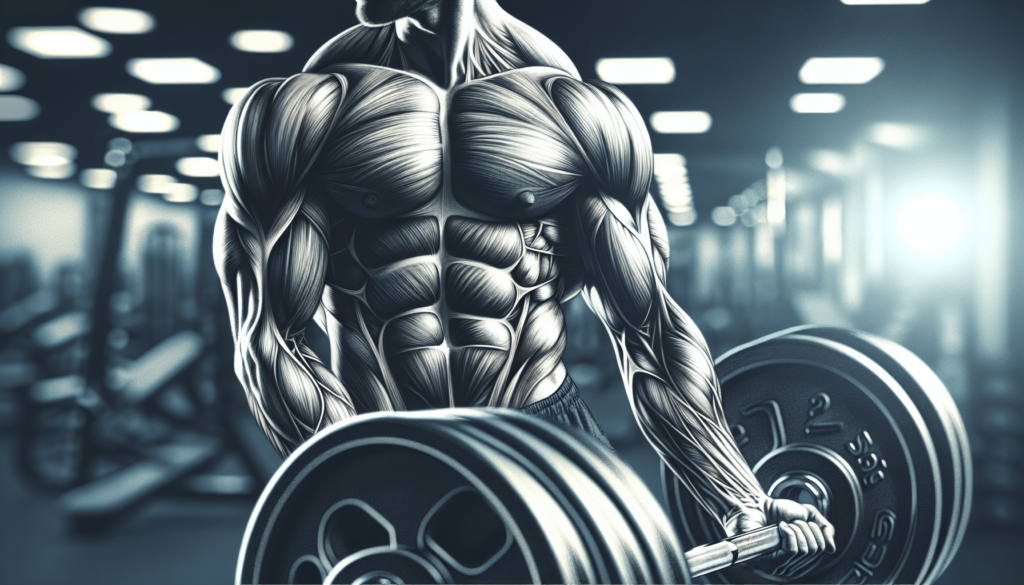
To sum up, proper form in advanced lifting is crucial for maximizing muscle engagement, preventing injuries, and improving overall workout efficiency. By recognizing common mistakes, employing various techniques to maintain form, and understanding the importance of flexibility and mental focus, you set yourself on a path to sustained progress and greater lifting success.
Keep in mind that proper form is a journey, not a one-time achievement. Constant evaluation and adjustments are key to long-term success. So, focus on technique first, and the strength gains will naturally follow. Don’t rush the process; let your body adapt and grow under the best possible conditions.