
Have you ever wondered what truly drives elite athletes to perform at the highest level? It’s easy to point to rigorous training, a well-balanced diet, and mental toughness, but there’s another critical factor at play: the powerhouse of the cells, known as mitochondria. These tiny organelles play an integral role in your physical performance, especially when it comes to enduring intense activities and enhancing overall fitness.

The Basics of Mitochondria
Before diving into their role in advanced athletic performance, let’s start by understanding what mitochondria are. Often referred to as the “powerhouses” of the cell, mitochondria are responsible for producing the majority of the energy your cells need to function. This energy is generated through a process known as oxidative phosphorylation, where nutrients are converted into adenosine triphosphate (ATP), the cellular currency of energy.
Structure and Function
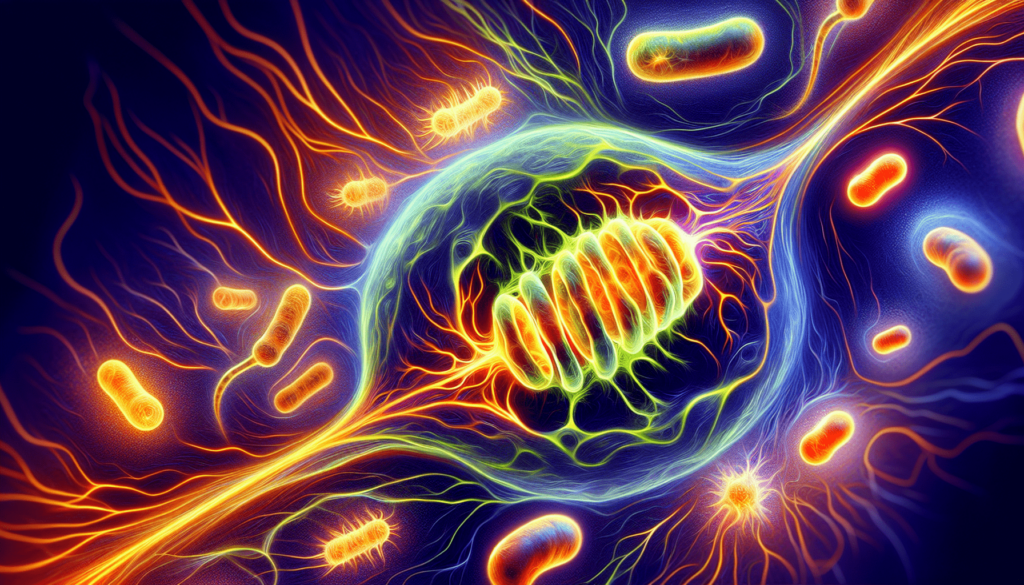
Mitochondria have a unique double-membrane structure. The outer membrane is smooth and permeable, allowing ions and other small proteins to pass through. The inner membrane, however, is highly convoluted, forming structures called cristae. These cristae significantly increase the surface area, thus optimizing the production of ATP. This intricate design allows mitochondria to be exceptionally efficient at energy production.
ATP Production
ATP is the energy currency for all cellular activities, and your muscles need an abundance of it during high-intensity exercise. Mitochondria generate ATP through the following processes:
- Glycolysis: This takes place in the cytoplasm and produces a small amount of ATP.
- Krebs Cycle: Occurs within the mitochondrial matrix and generates electron carriers used in the next stage.
- Electron Transport Chain: Located in the inner mitochondrial membrane, this process produces the most ATP by utilizing oxygen.
The Role of Mitochondria in Athletic Performance
Mitochondria play several crucial roles in enhancing your athletic performance. Their efficiency can significantly impact stamina, recovery, and overall physical capabilities.
Enhanced Energy Production
More and more research confirms that increased mitochondrial density and function can improve an athlete’s performance. The more mitochondria you have, the more ATP your muscles can produce, enabling you to perform longer and at higher intensities.
Improved Muscle Recovery
During strenuous activity, your muscles generate lactic acid and other by-products that contribute to fatigue. Efficient mitochondria can help clear these by-products more effectively, speeding up recovery times and reducing soreness.
Oxygen Utilization
Your mitochondria are directly involved in using the oxygen you breathe in. This is particularly important for endurance athletes, as more efficient oxygen use means you can run or cycle for longer without your muscles tiring out.
Adaptability and Resilience
Advanced training regimens often push your body to its limits, making efficient mitochondrial function crucial for adapting to these stresses. Mitochondria are adaptable and can increase in number and efficiency with consistent training, making you more resilient over time.

Mitochondrial Biogenesis
Mitochondrial biogenesis is the process through which new mitochondria are formed in the cell, often in response to endurance training and other forms of physical activity.
Stimuli for Mitochondrial Biogenesis
Several factors stimulate this process, including:
- Aerobic Exercise: Prolonged, moderate-intensity exercise is a strong trigger for mitochondrial biogenesis.
- Caloric Restriction: Reducing caloric intake without malnutrition can also prompt the creation of new mitochondria.
- Heat and Cold Exposure: These environmental stressors can stimulate mitochondrial adaptation.
Molecular Pathways
The primary pathways involved in mitochondrial biogenesis include the AMPK pathway and the PGC-1α pathway. Both of these pathways can be activated through exercise, boosting the creation and function of mitochondria.
| **Pathways | Role** |
|---|---|
| AMPK Pathway | Activates energy-producing processes |
| PGC-1α Pathway | Regulates genes involved in energy metabolism |
Nutrition and Mitochondrial Health
Your diet significantly impacts mitochondrial function. Various nutrients and lifestyle choices can either support or hinder these cellular powerhouses.
Key Nutrients
Certain nutrients are essential for mitochondrial health and optimal athletic performance:
- Coenzyme Q10 (CoQ10): Acts as an electron carrier in the electron transport chain.
- L-Carnitine: Helps transport fatty acids into the mitochondria, aiding in ATP production.
- B-Vitamins: Important for the Krebs Cycle and overall energy metabolism.
| **Nutrient | Function** |
|---|---|
| Coenzyme Q10 | Electron transport |
| L-Carnitine | Fatty acid transport |
| B-Vitamins | Energy metabolism |
Antioxidants
Reactive oxygen species (ROS) are by-products of ATP production in mitochondria and can damage cells if not appropriately managed. Antioxidants help mitigate this damage, making them vital for maintaining mitochondrial health and by extension, athletic performance.
| **Common Antioxidants | Role** |
|---|---|
| Vitamin C | Neutralizes ROS |
| Vitamin E | Protects cell membranes |
| Alpha-Lipoic Acid | Regenerates other antioxidants |
Avoiding Toxins
Environmental toxins, including certain pesticides and heavy metals, can impair mitochondrial function. Choosing organic produce when possible and avoiding excessive exposure to pollutants can help mitigate these risks.
Training for Mitochondrial Efficiency
Training plays a critical role in improving mitochondrial function. Both aerobic and anaerobic exercises have unique benefits, and combining them can lead to optimal results.
Aerobic Exercise
Activities such as running, cycling, and swimming are excellent for boosting mitochondrial function. These exercises involve sustained effort, which is key for promoting mitochondrial biogenesis and improving oxygen utilization.
High-Intensity Interval Training (HIIT)
HIIT combines short bursts of intense activity with rest periods. This type of training has been shown to enhance mitochondrial density and function effectively. It’s also time-efficient, making it a popular choice for many athletes.
The Future of Mitochondrial Research in Sports
As scientific research advances, the understanding of mitochondria in athletic performance continues to evolve. New technologies and methodologies are being developed to further explore mitochondrial function and its impact.
Biohacking and Supplementation
The concept of biohacking, or optimizing the body through various techniques, includes targeting mitochondrial function. Supplements like NAD+ boosters and mitochondrial antioxidants are gaining popularity for their potential to enhance performance.
Genetic Research
Genetic factors can influence mitochondrial function. Understanding your genetic predispositions can help tailor your training and nutritional strategies for optimal performance.
Practical Tips for Enhancing Mitochondrial Function
Here are some actionable steps you can take to support your mitochondrial health and improve your athletic performance:
Consistent Training
Regular exercise, especially activities that challenge your cardiovascular system, is crucial. Consistency is key; even a few short sessions per week can have significant effects.
Balanced Diet
Incorporate a diet rich in whole foods, lean proteins, healthy fats, and plenty of fruits and vegetables. This provides the necessary nutrients for mitochondrial health.
Adequate Rest
Recovery is just as important as training. Ensure you’re getting enough sleep and allow your muscles to recover between intense workouts.
Stay Hydrated
Proper hydration is essential for all cellular functions, including mitochondrial activity. Dehydration can severely impair performance and recovery.
| **Practice | Benefit** |
|---|---|
| Consistent Training | Boost mitochondrial density and function |
| Balanced Diet | Provide essential nutrients |
| Adequate Rest | Support muscle recovery |
| Hydration | Maintain cellular functions |
Conclusion
Understanding the role of mitochondria in advanced athletic performance sheds light on why some athletes seem almost superhuman. These tiny organelles are central to energy production, recovery, and overall stamina. By incorporating effective training, a balanced diet, and proper recovery practices, you can optimize mitochondrial function and elevate your athletic capabilities to new heights.
Taking the time to focus on these cellular powerhouses could be the missing link in reaching your peak performance. Keep pushing your limits, and remember, it’s often the small, unseen factors that make the biggest difference in your journey toward athletic excellence.