
Have you ever wondered how your brain can adapt and change in response to new challenges, especially during your journey in advanced fitness training? It’s fascinating, isn’t it? This capability, known as neuroplasticity, plays a critical role in how we perform and progress in fitness. Let’s dive into the science of neuroplasticity and explore how it can revolutionize your training routine.
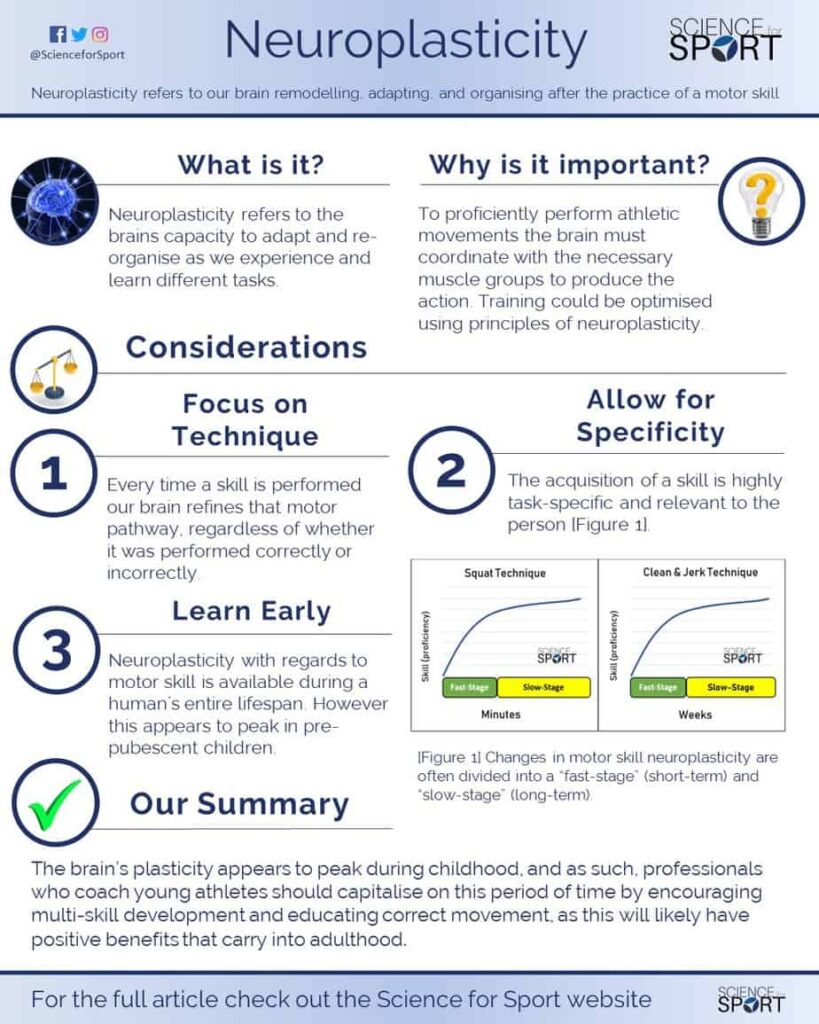
Neuroplasticity: An Overview
Neuroplasticity, also known as brain plasticity, refers to the brain’s ability to reorganize itself by forming new neural connections. These changes in the brain occur in response to learning, experience, and injury. Essentially, your brain is not fixed; it can adapt and evolve.
Types of Neuroplasticity
Neuroplasticity can be categorized into two main types: functional and structural.
- Functional Neuroplasticity: This involves the brain’s ability to move functions from damaged areas to undamaged areas. For example, if a particular part of the brain is injured, other parts may take over the tasks initially managed by the injured area.
- Structural Neuroplasticity: This type of neuroplasticity refers to the brain’s ability to change its physical structure in response to learning and experience. This includes the growth of new neurons and the strengthening or weakening of synapses.
Mechanisms of Neuroplasticity
Neuroplasticity involves various mechanisms:
- Synaptic Plasticity: Changes in the strength of connections between neurons.
- Neurogenesis: The formation of new neurons.
- Dendritic and Axonal Branching: The growth of new branches in neurons, which correlates with increased connectivity.
- Myelination: The process of forming a myelin sheath around nerves, which improves the speed and efficiency of nerve impulses.
Understanding these mechanisms gives you a glimpse into how adaptable your brain is, setting the stage for how this adaptability influences your fitness training.
The Connection Between Neuroplasticity and Fitness Training
Fitness training is not just about physical capacity; it significantly involves your brain. The brain’s plasticity means it can improve its functioning in response to physical activity, thus enhancing your performance.
The Brain’s Role in Movement
Your brain is central to all bodily movements. The motor cortex in the brain sends signals to your muscles to contract and relax, coordinating complex movements. When you learn new exercises or techniques, you engage your brain in the process, leading to changes in neural pathways.
Motor Learning and Neuroplasticity
Motor learning, which involves acquiring new skills and improving existing ones, is heavily reliant on neuroplasticity. When you practice a new exercise, your brain forms new neural connections. The more you practice, the stronger these connections become, enhancing your capability and efficiency.
For instance, when you start learning a new weightlifting technique, you may find it difficult initially. However, with repeated practice, your brain adjusts and forms new neural pathways to execute the movement perfectly.
Neuroplasticity and Skill Acquisition
Skill acquisition in sports and fitness training is a prime example of neuroplasticity at work. As you continue to practice and refine your skills, structural changes occur in your brain, making it easier to perform the skills with precision.
Consider a gymnast practicing a new routine. Initially, the movements may be awkward and error-prone. Over time, the gymnast’s brain rewires itself to improve coordination, balance, and timing.

Neuroplasticity-Driven Training Strategies
Knowing that your brain can adapt and change opens up new possibilities for enhancing your fitness training. Here are some neuroplasticity-driven strategies to consider:
Variety in Training
Introducing variety in your training routine can stimulate different neural pathways and foster brain plasticity. Monotonous training can lead to plateauing, while varying exercises can keep your brain engaged and adaptive.
| Traditional Training | Neuroplasticity-Driven Training |
|---|---|
| Repetitive routines | Varied exercises and routines |
| Limited skill acquisition | Enhanced learning and adaptation |
| Fixed training schedules | Flexible, dynamic programs |
Mindfulness and Focus
Mindfulness during training can enhance neuroplasticity. Being fully present and focused on your movements can lead to more efficient neural pathway formation. Concentrate on the muscles you’re working on and the movements you’re performing.
Mental Visualization
Visualization can be a powerful tool to activate neuroplasticity. Visualizing yourself performing exercises can strengthen the same neural pathways as actually performing the exercise.
Challenging the Brain
Introducing cognitive challenges in your training routine can further stimulate neuroplasticity. This could involve complex movements, learning new techniques, or even incorporating brain games such as puzzles and strategy games within your training regimen.
Consistent Practice
Consistency is key. Regularly engaging in your training routine ensures that the new neural pathways you’re forming are strengthened and maintained.
Neuroplasticity and Mental Health in Fitness
Improved mental health is another benefit of neuroplasticity in fitness training. Physical exercise is known to stimulate the production of neurotrophic factors, which support brain health and plasticity.
Reducing Stress
Physical activity can reduce stress levels by affecting the hypothalamic-pituitary-adrenal (HPA) axis and reducing cortisol levels. Lower stress levels can provide a more conducive environment for neuroplasticity.
Enhancing Mood
Exercise releases endorphins, the body’s natural mood elevators. Improved mood can lead to better focus and motivation, enhancing the brain’s ability to form new neural pathways.
Cognitive Function
Regular exercise can improve cognitive functions such as memory and executive function. Such cognitive benefits can spill over into your fitness routine, allowing for better learning and adaptation of new skills.
Practical Applications in Advanced Fitness Training
Let’s delve into some practical ways to integrate neuroplasticity concepts into your advanced fitness training.
Cross-Training
Cross-training involves practicing different types of exercises rather than sticking to a single discipline. This could include mixing weightlifting with yoga, swimming, and cycling. Such variety can stimulate multiple neural pathways, enhancing overall brain plasticity.
Learning New Techniques
Dedicate time to learning new techniques and movements. Start with simple exercises and gradually increase the complexity. This incremental learning can stimulate neuroplastic changes in your brain.
Mind-Body Exercises
Incorporate exercises that blend physical movement with mental focus, such as Tai Chi, Pilates, or dance. These exercises can challenge both your body and brain, fostering neuroplasticity.
Aerobic vs. Anaerobic Training
Both aerobic (endurance) and anaerobic (strength) training have benefits for neuroplasticity. Combining these into your routine can ensure comprehensive brain stimulation.
| Training Type | Benefits for Neuroplasticity |
|---|---|
| Aerobic | Enhances neurogenesis, improves mood |
| Anaerobic | Strengthens brain-muscle coordination |
Tracking Progress
Keep track of your progress through journaling or digital apps. Monitoring improvements can provide feedback to your brain, reinforcing new neural connections.
Real-World Success Stories
Professional Athletes
Many professional athletes have adopted neuroplasticity-based training methods to gain a competitive edge. For instance, basketball players may use virtual reality systems to visualize and practice shots, which can strengthen neural pathways related to the game.
Rehabilitation
Neuroplasticity is also a cornerstone in rehabilitation programs for athletes recovering from injuries. Techniques such as constraint-induced movement therapy encourage the brain to form new connections to regain lost functions.

Challenges and Considerations
Despite its benefits, implementing neuroplasticity-driven training is not without challenges.
Patience and Consistency
Neuroplastic changes take time and consistent effort. You may not see immediate results, but staying committed will yield benefits in the long run.
Risk of Overtraining
Introducing too much variety or complexity too quickly can lead to overtraining and burnout. Balance is key. Gradually increase the intensity and complexity of your exercises.
Individual Differences
Neuroplasticity is influenced by individual factors such as age, genetics, and overall brain health. What works for one person may not work for another. Tailor your training program to suit your unique needs and capabilities.
Next Steps: Implementing Neuroplasticity in Your Training
Intrigued by the potential of neuroplasticity in your fitness training? Here’s how you can get started:
- Assess Your Current Routine: Look at your current training program and identify areas where you can introduce variety and new challenges.
- Set Clear Goals: Define what you want to achieve through neuroplasticity-driven training—whether it’s improved skill acquisition, better mental health, or enhanced overall performance.
- Incorporate Mindfulness: Try to be more present during your workouts. Focus on your form, breathing, and the muscles you’re engaging.
- Learn New Skills: Dedicate time to learn and practice new exercises or techniques. Start simple and gradually increase complexity.
- Track Your Progress: Keep a journal or use an app to monitor your improvements and adjust your training as needed.

Summary
Understanding and leveraging the science of neuroplasticity can revolutionize your fitness training. Through consistent practice, variety in exercises, mindfulness, and mental challenges, you can stimulate your brain to adapt and improve, leading to enhanced physical and mental capabilities. The journey of fitness is not just about physical transformation but also about optimizing your brain’s potential. Harness this powerful concept to take your training to the next level.