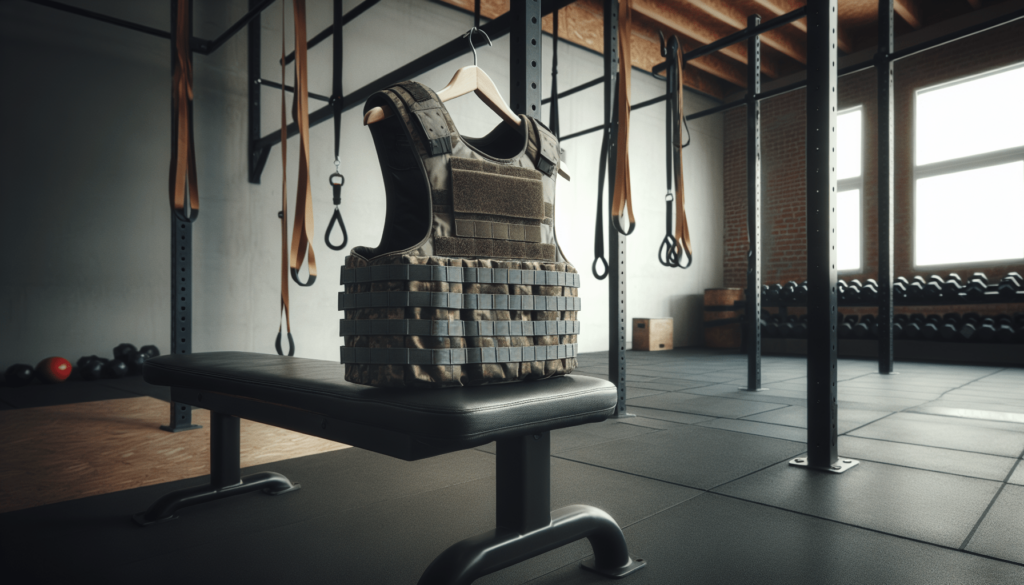
The Top Ways To Use A Weighted Vest For Increasing Intensity In Bodyweight Exercises
Have you ever wondered how you can maximize the effectiveness of your bodyweight exercises? Adding a weighted vest to your routine might just be the game-changer you need. This simple piece of equipment can radically shift the dynamics of your workouts, adding that much-needed extra challenge to propel your fitness regime to the next level.

Why Use a Weighted Vest?
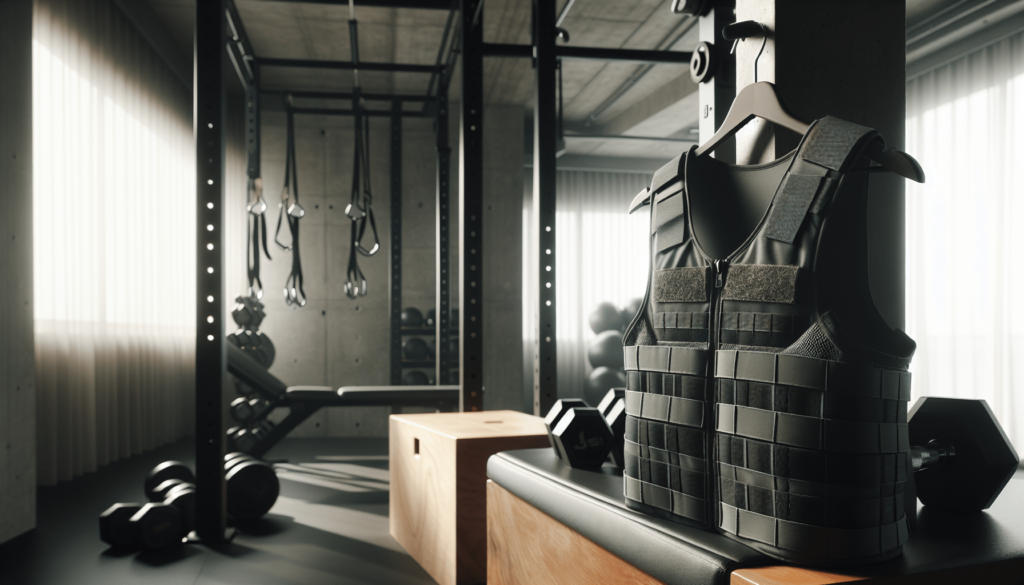
For those unfamiliar, a weighted vest is a vest that you wear which is equipped with additional weight. It’s designed to add resistance to your body, making your muscles work harder than they would with just your body weight.
Enhance Muscle Growth and Strength
When you incorporate a weighted vest, your muscles have to exert more force to perform the same exercises. This increased resistance can effectively enhance muscle growth and strength. By consistently challenging your muscles, you can stimulate new muscle fibers and facilitate muscle hypertrophy.
Improve Cardiovascular Endurance
Adding a weighted vest also amplifies the cardiovascular component of your exercises. Your heart and lungs need to work harder to supply oxygen to the muscles, which can help improve overall cardiovascular endurance. Over time, this results in a stronger heart and more efficient breathing capabilities.
Boost Caloric Burn
If one of your goals is weight loss or fat burning, a weighted vest can be an invaluable asset. The added resistance means your body requires more energy to perform the same movements, leading to an increase in caloric expenditure. This means you can burn more calories during your workouts and even after, thanks to the afterburn effect.
Safety Considerations
Before diving into specific exercises, it’s essential to discuss safety. Using a weighted vest incorrectly can lead to injury, so it’s crucial to follow a few guidelines.
Start Light
If you’re new to using a weighted vest, starting with a manageable weight is key. You can gradually increase the load as your strength and endurance improve. A good rule of thumb is to start with no more than 5-10% of your body weight.
Focus on Form
Maintaining correct form is vital to prevent injury. The added weight can easily lead to poor posture or improper technique. Ensuring you’re executing each exercise correctly will help you avoid unnecessary strain and maximize the benefits.
Listen to Your Body
Your body will communicate when it’s had enough. Pay attention to signs of excessive fatigue or discomfort. It’s okay to push yourself, but there’s a fine line between a good workout and overexertion.
Warm-Up and Cool Down
A thorough warm-up prepares your muscles and joints for the added resistance of a weighted vest, and cooling down helps in muscle recovery. Incorporating these into your routine can help prevent injury and aid in flexibility.

Top Exercises to Perform with a Weighted Vest
Adding a weighted vest to your usual bodyweight exercises can offer varied benefits and challenges. Here are some top exercises to consider:
Squats
Squats are an incredible way to build lower-body strength. When you add the resistance of a weighted vest, you’re giving your glutes, quads, and hamstrings an even more intense workout.
How to Perform:
- Stand with your feet shoulder-width apart.
- Lower your body by bending your knees and hips, keeping your back straight.
- Push through your heels to return to the starting position.
Push-Ups
Push-ups are a staple in any strength training routine. Adding a weighted vest makes this classic move even more effective by increasing the load on your chest, shoulders, and triceps.
How to Perform:
- Begin in a plank position with your arms fully extended.
- Lower your body until your chest almost touches the floor.
- Push back up to the starting position.
Pull-Ups
Pull-ups can sometimes feel too easy once you master them. A weighted vest adds the extra challenge needed to continue building strength in your back and biceps.
How to Perform:
- Grip a pull-up bar with your palms facing away.
- Pull yourself up until your chin is above the bar.
- Lower yourself back down with control.
Lunges
Lunges are excellent for targeting multiple muscle groups in your lower body. Adding a weighted vest ensures your glutes, quads, and hamstrings work harder.
How to Perform:
- Stand upright and take a large step forward with one foot.
- Lower your hips until both knees are bent at about a 90-degree angle.
- Push off your front foot to return to the starting position and switch legs.
Planks
Planks are a fantastic core exercise. Wearing a weighted vest can intensify the challenge, making your core muscles work even harder to stabilize your body.
How to Perform:
- Get into a forearm plank position with your body in a straight line from head to heels.
- Hold for as long as you can while maintaining proper form.
Creating a Weighted Vest Workout Routine
To get the most out of your weighted vest, consider structuring your workouts to ensure balanced muscle development and adequate recovery.
Sample Workout Plan
Here’s a sample workout plan:
| Day | Exercise | Sets | Reps |
|---|---|---|---|
| 1 | Squats | 4 | 12 |
| Push-Ups | 4 | 15 | |
| Planks | 3 | 45 sec | |
| 2 | Pull-Ups | 4 | 10 |
| Lunges | 4 | 12 each leg | |
| Russian Twists | 3 | 20 | |
| 3 | Rest/Light Cardio | ||
| 4 | Repeat Day 1 | ||
| 5 | Repeat Day 2 | ||
| 6 | Active Recovery: Yoga or Stretching | ||
| 7 | Rest |
Modifying the Routine
Depending on your fitness level, you might need to modify the repetitions or sets. For beginners, fewer sets and reps with lighter weight can help ease into the routine. Advanced users can increase the weight, sets, and reps to continuously challenge their muscles.

Specialized Weighted Vest Exercises
There are also specialized exercises where a weighted vest can be particularly effective.
Hill Sprints
Hill sprints are an incredible way to improve cardiovascular and muscular endurance. Adding a weighted vest turns the intensity up a notch, providing a hefty challenge for your legs and lungs.
How to Perform:
- Find a steep hill.
- Sprint up as fast as you can.
- Walk back down to recover and repeat.
Box Jumps
Box jumps are excellent for building explosive power. The additional weight from the vest forces your muscles to generate more force, increasing strength and agility.
How to Perform:
- Stand in front of a sturdy elevated platform or box.
- Bend your knees slightly and swing your arms back.
- Jump up onto the box, landing softly with both feet.
Farmer’s Carry
This movement is great for grip strength, core stability, and overall conditioning. With a weighted vest, you’re adding another layer of difficulty.
How to Perform:
- Hold a heavy object in each hand (like dumbbells).
- With your chest up and back straight, walk a set distance.
Recovery and Maintenance
Using a weighted vest can be taxing on your body, so proper recovery is essential.
Foam Rolling and Stretching
Incorporating foam rolling and stretching into your post-workout routine can help in muscle recovery and improve flexibility.
Nutrition
Adequate nutrition is key for recovery. Ensure you’re consuming enough protein to support muscle repair and carbs to replenish glycogen stores.
Sleep
Never underestimate the power of good sleep. It’s when your body repairs itself, so aiming for 7-9 hours of quality rest can aid significantly in recovery and performance.
Common Mistakes to Avoid
To make the most of your weighted vest workouts, avoid these common pitfalls:
Overloading Too Soon
Starting with too much weight can lead to improper form and increase your risk of injury. Gradually increase the weight as you become more comfortable and stronger.
Neglecting Core Work
Your core is crucial for stability and balance, especially with added weight. Ensure you’re incorporating core exercises to build a strong foundation.
Ignoring Pain
Discomfort is common, but pain is a signal that something might be wrong. If you experience sharp or persistent pain, it’s best to stop and consult a healthcare professional.
Conclusion
Adding a weighted vest to your bodyweight exercises can significantly increase the intensity, helping you build muscle, improve endurance, and boost your overall fitness. By following these guidelines and incorporating these exercises into your routine, you can unlock new levels of strength and performance. Pay attention to safety considerations, start light, and continuously challenge yourself to see the best results.