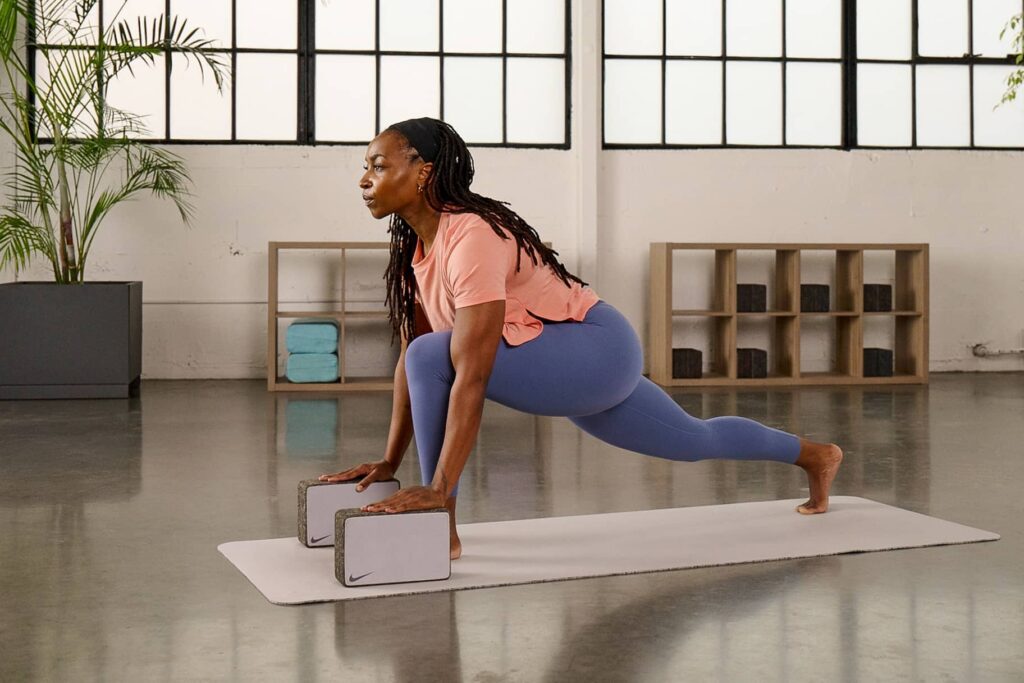
Have you ever found yourself wondering how to get the most out of your yoga practice? Yoga blocks might just be the versatile tool you didn’t know you needed. These handy props can make challenging poses more accessible and bring a new dimension to your practice. Whether you’re a beginner trying to nail down foundational poses or a seasoned yogi looking to deepen your practice, yoga blocks can be indispensable.
What is a Yoga Block?
A yoga block is typically a rectangular-shaped prop made from foam, cork, or wood. Available in various sizes, yoga blocks are designed to help you modify poses, enhance stability, and improve alignment. Their versatility in adding both support and challenge to your practice makes them a must-have for yogis of all levels.
Materials and Sizes
Yoga blocks come in different materials, each with its own set of characteristics:
| Material | Properties | Best For |
|---|---|---|
| Foam | Lightweight, soft, affordable | Beginners, portable practice |
| Cork | Heavier, eco-friendly, durable | Intermediate to advanced, home practice |
| Wood | Heaviest, very sturdy, natural look | Advanced, studio use, those needing firm support |
Typical dimensions for yoga blocks are 4″x6″x9″ (inches), though you can find variations. Size and shape may slightly differ depending on the brand, but most will fit the needs of any practice.
Benefits of Using a Yoga Block
Using yoga blocks can transform your yoga practice by offering numerous advantages. Here are some ways they can enhance your session:
Alignment and Form
Blocks help in maintaining proper form, which is crucial in avoiding injuries. By offering support, they allow you to focus on alignment while performing challenging poses.
Accessibility
For beginners, many yoga poses can seem beyond reach. Yoga blocks offer a bridge to those more difficult postures, making yoga more accessible to all skill levels.
Deepening Poses
As you become more advanced, yoga blocks can help you explore deeper variations of poses by providing either support or an added challenge.
Flexibility
Yoga blocks can assist in stretching exercises, helping to safely extend your range of motion.
Strength Building
Using blocks in certain poses can increase muscle engagement, aiding in building strength.
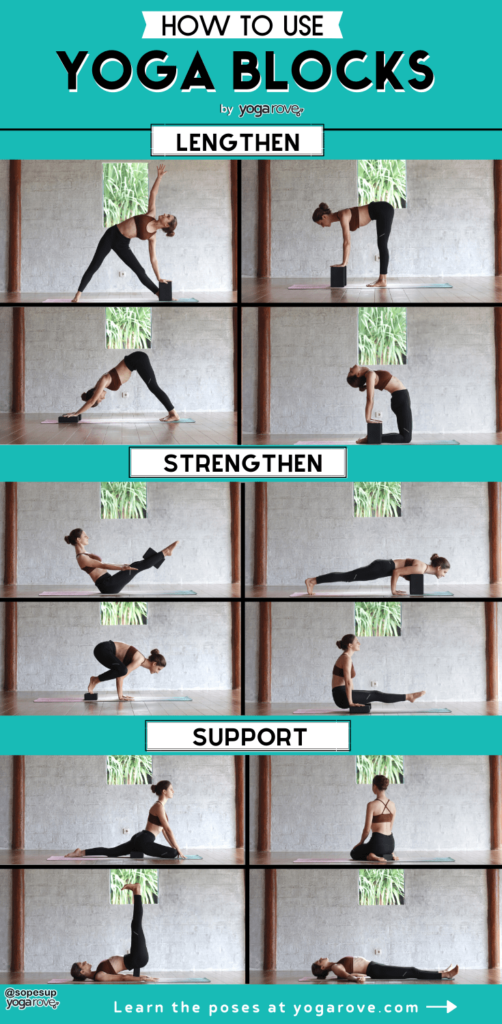
Top Ways to Use a Yoga Block
Ready to incorporate yoga blocks into your routine? Here are the top ways to use them for different aspects of your practice.
Seated Poses
Supported Sukhasana (Easy Pose)
Use a block under your sit bones in Sukhasana to help elevate your hips above your knees, which can relieve tension in your back and hips.
Steps:
- Sit on the mat with legs crossed.
- Place the yoga block beneath your sit bones.
- Allow your knees to rest downward, and lengthen your spine.
Benefits:
- Enhances posture
- Reduces strain on hips and knees
Standing Poses
Triangle Pose (Trikonasana)
Adding a block in Triangle Pose can help improve your alignment and bring the ground closer to you, making it easier to keep both sides of the body in one plane.
Steps:
- Begin in a wide stance.
- Extend one arm up and lower the opposite hand to the block placed outside your front foot.
- Adjust the height of the block to suit your flexibility.
Benefits:
- Enhanced stability
- Better alignment
- Deeper stretch
Half Moon Pose (Ardha Chandrasana)
Using a block helps to bring the floor closer, aiding in balance and stability, especially when hovering your hand becomes challenging.
Steps:
- From Triangle Pose, bend your front knee and place the block about 6-12 inches in front of your front foot.
- Shift your weight forward, lifting the back leg parallel to the floor.
- Rest your hand on the block, adjusting the height as needed.
Benefits:
- Improved balance
- Better alignment
- Enhanced muscle engagement
Backbends
Supported Bridge Pose (Setu Bandhasana)
Using blocks in Bridge Pose provides support, allowing you to hold the pose longer and focus on the stretch.
Steps:
- Lie on your back with knees bent.
- Lift your hips and slide a yoga block under your sacrum.
- Rest your weight on the block and maintain the position.
Benefits:
- Gentle backbend
- Relieves lower back pain
- Opens chest and shoulders
Inversions
Supported Shoulder Stand (Salamba Sarvangasana)
Yoga blocks can make shoulder stands more accessible and comfortable, especially for those new to inversion poses.
Steps:
- Lie on your back with knees bent and feet flat on the floor.
- Press into your feet to lift your hips, placing a block under your sacrum.
- Raise your legs towards the ceiling for the modified shoulder stand.
Benefits:
- Encourages blood flow
- Reduces strain on neck and shoulders
- Enhances stability
Balance Poses
Warrior III (Virabhadrasana III)
A block can offer support in Warrior III, aiding your balance and helping you maintain proper alignment.
Steps:
- Begin in a high lunge position.
- Place the block under your hands as you shift your weight onto the front leg.
- Extend the back leg and maintain the T-shape with your body, using the block for stability.
Benefits:
- Strengthens legs and core
- Improves balance
- Encourages proper alignment
Flexibility Exercises
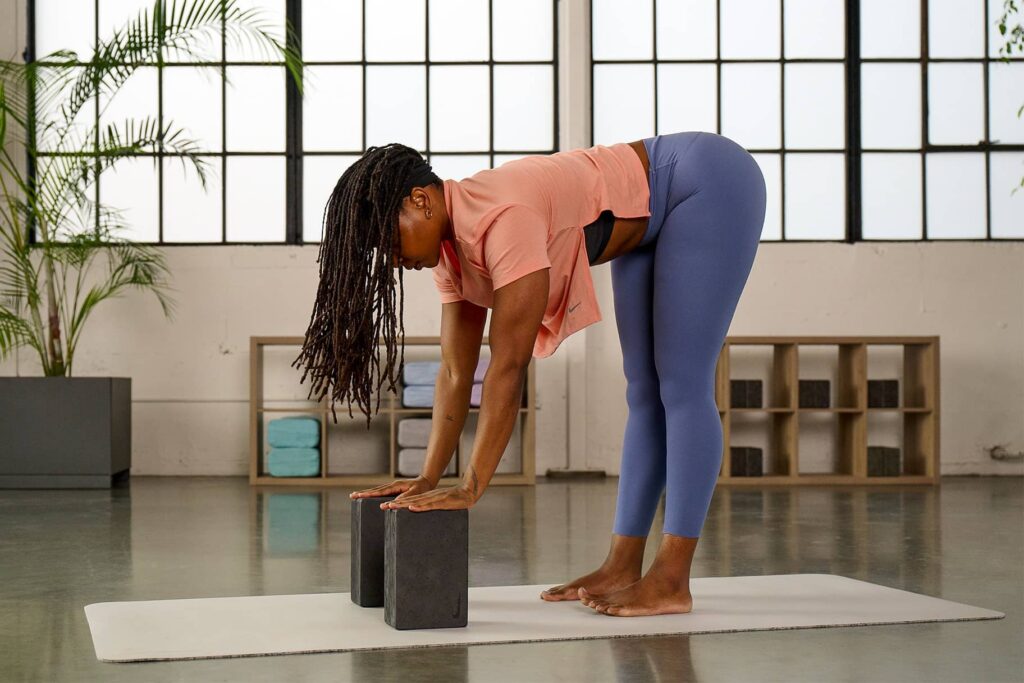
Forward Fold (Uttanasana)
Using a block in Forward Fold can make the pose accessible for those who have tight hamstrings.
Steps:
- Stand with feet hip-width apart.
- Hinge at the hips, extending hands towards a block placed on its highest height.
- Relax your head and neck, allowing gravity to deepen the stretch.
Benefits:
- Gently stretches hamstrings
- Reduces strain on the back
- Promotes relaxation
Restorative Poses
Supported Child’s Pose (Balasana)
Including a block in Child’s Pose can offer additional length and support for a more restorative experience.
Steps:
- Begin on your knees with your big toes touching.
- Extend your arms forward, placing your forehead on a block.
- Adjust the height for comfort.
Benefits:
- Gently opens hips
- Relieves tension in the back and shoulders
- Promotes relaxation
Reclined Butterfly (Supta Baddha Konasana)
Use blocks to prop up your knees and provide support in Reclined Butterfly Pose.
Steps:
- Lie on your back and bring the soles of your feet together, letting your knees fall open.
- Place a block under each knee.
- Relax and enjoy the stretch.
Benefits:
- Opens hips and groin
- Reduces tension in legs
- Encourages relaxation
Enhancing Core Strength
Boat Pose (Navasana)
Adding a block to Boat Pose challenges your core even more by increasing engagement.
Steps:
- Sit with knees bent and feet flat on the floor.
- Hold the block between your hands and extend your arms forward.
- Lift your feet off the ground, balancing on your sit bones, and engage your core.
Benefits:
- Strengthens core muscles
- Improves balance
- Enhances focus
Plank Pose
Using a block in Plank Pose can help you perfect your form and increase core engagement.
Steps:
- From a tabletop position, place the block between your thighs.
- Extend your legs into a full plank, squeezing the block to engage inner thighs and core.
- Align your body in a straight line from head to heels.
Benefits:
- Strengthens core and upper body
- Improves alignment
- Enhances muscle engagement
Yoga Block Exercises for Specific Goals
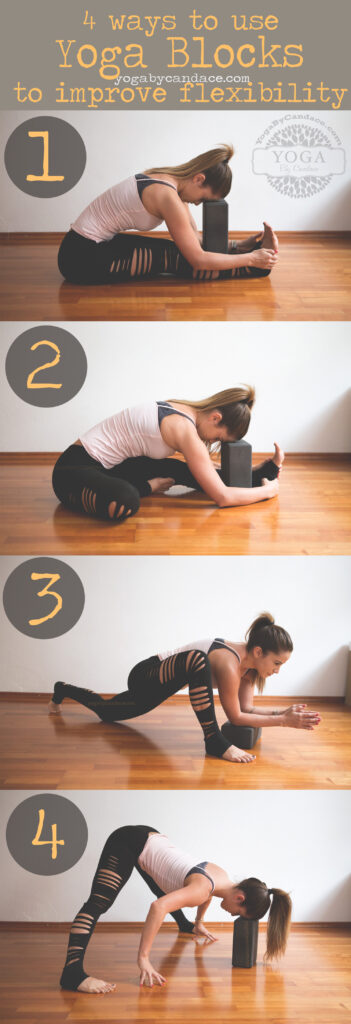
Increasing Flexibility
For those looking to increase flexibility, using yoga blocks can be a game changer. Here are a couple of poses to focus on:
Lizard Pose with Block (Utthan Pristhasana)
Yoga blocks can make Lizard Pose more accessible while focusing on hip flexibility.
Steps:
- From a low lunge, place both hands on blocks positioned inside your front foot.
- Allow your hips to sink while keeping your back leg extended.
- Hold and breathe deeply, letting your hips open.
Benefits:
- Deepens hip stretch
- Reduces strain on lower body
- Aids in flexibility
Extended Side Angle Pose (Utthita Parsvakonasana)
Using a block in this pose allows you to reach the floor without compromising form.
Steps:
- Start in a Warrior II stance.
- Curl your torso towards your front knee, placing your forearm on your front thigh.
- Place a block outside your front foot, extending your upper arm overhead.
Benefits:
- Enhances flexibility in the side body
- Promotes proper alignment
- Reduces strain
Improving Strength
Yoga blocks can also serve as excellent tools for boosting strength. Here are some poses to try:
Crow Pose (Bakasana)
Using a block can help you find stability and practice core engagement in this arm balance.
Steps:
- Place a block in front of your feet.
- Squat down, placing hands on the ground shoulder-width apart.
- Lean forward, bringing your knees onto the backs of your arms and lifting feet onto the block.
Benefits:
- Strengthens arms and core
- Improves balance
- Builds confidence in arm balances
Chair Pose (Utkatasana)
Adding a block can increase intensity and muscle engagement in this pose.
Steps:
- Stand with feet together, holding a block between your thighs.
- Bend your knees and lower your hips, as if sitting back into a chair.
- Extend your arms overhead, squeezing the block for added strength.
Benefits:
- Strengthens legs and core
- Encourages proper alignment
- Increases intensity
Enhancing Balance
If improving balance is your goal, yoga blocks can provide support and stability in balance poses:
Tree Pose (Vrksasana)
Using a block can help you focus on alignment and balance.
Steps:
- Place a block horizontally against the wall at your waist height.
- Stand in Mountain Pose, lift one foot, and place the sole against the block while keeping balance on the other leg.
- Join palms at your heart center.
Benefits:
- Improves balance and focus
- Assists in maintaining alignment
- Enhances stability
Eagle Pose (Garudasana)
A block can provide support and make balancing easier as you wrap your limbs.
Steps:
- Stand in Mountain Pose with a block beside your outer foot.
- Cross one leg over the other and use the block for balance as you wrap your arms.
- Hold the pose, focusing on stability.
Benefits:
- Improves balance
- Strengthens legs and arms
- Enhances focus
Promoting Relaxation
Yoga blocks are ideals tools for those looking to incorporate more relaxation into their practice:
Legs-Up-The-Wall Pose (Viparita Karani)
Using a block under your sacrum can make this restorative pose even more relaxing.
Steps:
- Lie down and place a block at your sacrum.
- Extend your legs up the wall.
- Relax with arms by your sides or overhead.
Benefits:
- Promotes relaxation
- Reduces leg swelling
- Encourages deep breathing
Supported Fish Pose (Matsyasana)
Blocks provide a gentle backbend, perfect for opening the chest and relieving stress.
Steps:
- Place a block lengthwise under your shoulder blades and another under your head.
- Lie back onto the blocks, extending your legs and arms.
- Relax and breathe deeply.
Benefits:
- Opens chest and shoulders
- Relieves stress
- Encourages relaxation
Advanced Techniques
For experienced yogis, blocks can help you deepen your practice with advanced techniques:
Eight Angle Pose (Astavakrasana)
Using a block can help you practice balance and alignment in this advanced arm balance.
Steps:
- Sit with legs extended, then cross one ankle over the opposite thigh.
- Place your hands on the ground with the block beneath your hips.
- Lift your hips and extend legs while leaning forward, finding balance.
Benefits:
- Enhances balance
- Strengthens arms and core
- Deepens practice
Forearm Stand (Pincha Mayurasana)
A block can help stabilize your forearms, providing additional balance.
Steps:
- Place the block against the wall.
- Arrange your forearms on either side of the block, shoulders aligned.
- Kick up into the forearm stand, using the block for support.
Benefits:
- Improves balance
- Strengthens shoulders and core
- Deepens practice
Maintenance and Care for Yoga Blocks
To get the most out of your yoga blocks, proper maintenance is essential. Here are some tips based on material:
Foam Blocks
- Cleaning: Wipe with a damp cloth or use mild soap and water solution.
- Storage: Keep in a cool, dry place away from direct sunlight.
Cork Blocks
- Cleaning: Use a damp cloth, wiping gently. For deeper cleaning, a mixture of water and vinegar works well.
- Storage: Store in a dry area to prevent moisture damage.
Wooden Blocks
- Cleaning: Wipe with a dry or slightly damp cloth.
- Maintenance: Occasionally apply wood conditioner to maintain appearance and integrity.
- Storage: Keep in a cool, dry place to avoid warping.
Conclusion
Incorporating yoga blocks into your practice can offer numerous benefits, from improving alignment and flexibility to enhancing balance and promoting relaxation. With the variety of ways to use them, yoga blocks are invaluable tools suitable for beginners and advanced practitioners alike. Whether you aim to increase strength, deepen poses, or simply make yoga more accessible, yoga blocks can elevate your practice to new heights. By maintaining proper care and integrating these versatile props into your routine, you’ll find yourself more aligned, balanced, and enriched in your yoga journey. So why not give them a try and discover just how transformative they can be?