
Have you ever found yourself overwhelmed trying to balance fitness and a busy schedule? You’re not alone. Many people struggle with integrating regular exercise into their lives, especially when just starting out. The good news is that it’s entirely possible to manage both your fitness goals and your daily responsibilities with a bit of planning and dedication.

Understanding Your Fitness Goals
Before embarking on any fitness journey, it’s crucial to clearly define your goals. What do you want to achieve? Are you aiming for weight loss, muscle gain, enhanced endurance, or overall well-being? Knowing your precise goals will help you create a tailored plan that fits into your busy schedule.
Setting Realistic Goals
One of the first steps is to set realistic and achievable goals. Start small and gradually increase the intensity and duration of your workouts. This approach will help you avoid burnout and keep you motivated in the long run.
Examples of realistic goals might include:
| Short-Term Goals | Long-Term Goals |
|---|---|
| Walk for 30 minutes three times a week. | Run a 5K within six months. |
| Perform bodyweight exercises twice a week. | Increase muscle mass in a year. |
| Attend a yoga class once a week. | Improve flexibility by doing yoga daily. |
Time Management for Fitness
Balancing a busy schedule with fitness requires effective time management. Prioritizing your tasks and creating a structured plan can go a long way in ensuring you stick to your exercise routine.
Creating a Workout Schedule
Drafting a weekly workout schedule can help you stay committed. Consider blocking out specific times in your calendar dedicated solely to exercise.
Example Schedule:
| Day | Activity | Time |
|---|---|---|
| Monday | Morning jog | 6:30 AM |
| Tuesday | Strength training | 7:00 PM |
| Wednesday | Rest or stretch | – |
| Thursday | Evening yoga | 6:00 PM |
| Friday | HIIT workout | 6:30 AM |
| Saturday | Long walk or hike | 10:00 AM |
| Sunday | Rest or active recovery | – |
Prioritizing Your Tasks
You must prioritize your responsibilities to find time for fitness. Identify non-negotiable tasks and see where you can fit in your workout routine. Remember, even a 20-minute session can be beneficial.
Tips for prioritizing tasks:
- Use a planner or digital calendar to jot down essential activities.
- Review your schedule weekly to make necessary adjustments.
- Combine leisure activities with workouts, like watching TV while on a treadmill.

Flexibility is Key
Life can be unpredictable, and your schedule might not always go as planned. Being flexible and adaptable ensures you don’t lose momentum even when things get hectic.
Incorporating Mini-Workouts
Incorporate mini-workouts throughout your day. Even small bursts of activity can add up and contribute to your overall fitness.
Examples of mini-workouts:
- Five-minute desk exercises.
- Ten minutes of stretching during breaks.
- Quick cardio bursts, like jumping jacks or brisk walking.
Modifying Your Routine
Modify your workouts to adapt to your current situation. If you’re short on time, opt for High-Intensity Interval Training (HIIT), which can give you an effective workout in under 30 minutes.
HIIT workout ideas:
- 30 seconds of burpees, 30 seconds rest – repeat for 10 minutes.
- 20 seconds of sprinting, 40 seconds walking – repeat for 15 minutes.
- Quick kettlebell circuits or bodyweight exercises.
Making Fitness Enjoyable
Finding joy in your fitness routine is vital for long-term success. Choose activities you genuinely enjoy to maintain your enthusiasm.
Exploring Different Types of Workouts
Experiment with various types of exercises to discover what you enjoy most. Combining different workouts can also prevent boredom and keep your routine exciting.
Types of workouts to try:
- Dance classes like Zumba.
- Martial arts or kickboxing.
- Swimming or aqua aerobics.
- Cycling or spinning classes.
Socializing Through Fitness
Combine social time with fitness to make your routine more motivating. Workout with friends, join a fitness class, or participate in group sports.
Benefits of social fitness:
- Accountability and motivation.
- Enhanced fun and enjoyment.
- Opportunity to learn new workouts and techniques.

Prioritizing Rest and Recovery
Rest and recovery are as important as the workout itself. Ensuring you get adequate rest helps prevent injuries and promotes overall well-being.
Importance of Sleep
Quality sleep is crucial for muscle recovery and overall health. Aim for seven to nine hours of sleep per night.
Tips for improving sleep:
- Maintain a consistent sleep schedule.
- Create a restful environment by minimizing noise and light.
- Avoid caffeine and heavy meals before bedtime.
Active Recovery Days
Active recovery days involve low-intensity activities that promote blood flow and flexibility without exerting too much effort.
Active recovery activities:
- Gentle yoga or stretching.
- Light walking or swimming.
- Mobility exercises or foam rolling.
Nutrition and Hydration
Your diet plays a significant role in achieving your fitness goals. Balanced nutrition and proper hydration fuel your workouts and aid recovery.
Eating Balanced Meals
Nourishing your body with balanced meals rich in protein, healthy fats, and carbohydrates ensures you have the energy to sustain your workouts.
Balanced meal ideas:
- Grilled chicken with quinoa and vegetables.
- Smoothie bowl with fruits, nuts, and Greek yogurt.
- Salmon with brown rice and steamed broccoli.
Staying Hydrated
Staying hydrated is essential for optimal performance. Ensure you drink enough water throughout the day, particularly before and after exercise.
Hydration tips:
- Carry a reusable water bottle with you.
- Drink water gradually instead of chugging.
- Include water-rich foods like cucumbers and watermelon in your diet.
Monitoring Your Progress
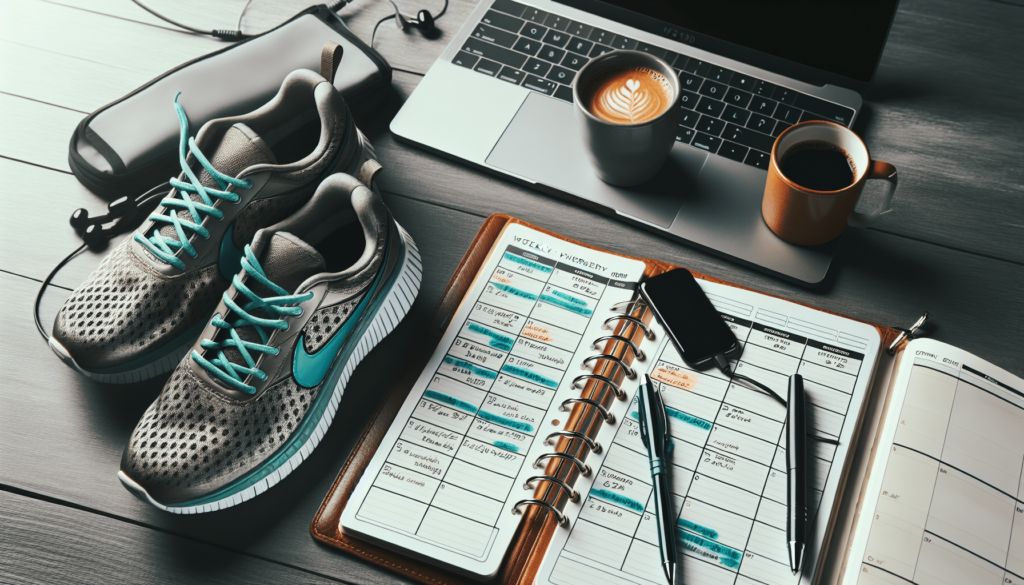
Tracking your progress helps you stay motivated and recognize the improvements you’re making.
Keeping a Fitness Journal
Documenting your workouts, feelings, and achievements in a fitness journal helps you reflect on your journey and make necessary adjustments.
Journal keeping tips:
- Record the type of exercise, duration, and intensity.
- Note how you felt during and after the workout.
- Log any milestones or progress in your goals.
Using Fitness Apps
There are various fitness apps available that can help you track your progress, set goals, and even provide workout ideas.
Popular fitness apps:
- MyFitnessPal for nutrition tracking.
- Strava for running and cycling.
- Fitbit for overall activity tracking.
- Yoga Studio for guided yoga sessions.
Staying Motivated
Maintaining motivation can be challenging, but there are effective strategies to keep your momentum going.
Setting Milestones and Rewards
Set small milestones and reward yourself when you achieve them. This approach keeps you motivated and gives you something to look forward to.
Milestone ideas:
- Completing a month of regular workouts.
- Reaching a personal best in running or lifting.
- Trying a new type of workout.
Reward ideas:
- Treat yourself to a new workout outfit.
- Plan a healthy meal at your favorite restaurant.
- Schedule a relaxing spa day.
Finding Inspiration
Stay inspired by following fitness enthusiasts on social media, reading fitness blogs, or attending motivational events and seminars.
Inspiration sources:
- Fitness influencers on Instagram or YouTube.
- Blogs and podcasts about fitness journeys.
- Local fitness events or workshops.
Avoiding Burnout
Burnout can derail your progress, so it’s important to avoid it by balancing intensity and rest.
Listening to Your Body
Pay attention to your body’s signals. Rest when needed and avoid pushing yourself too hard.
Signs of needing rest:
- Persistent fatigue.
- Decreased performance.
- Increased soreness or pain.
Mixing It Up
Vary your workouts to prevent monotony and keep your muscles challenged.
Ways to mix up workouts:
- Alternate between cardio and strength training.
- Try different fitness classes.
- Change your workout environment, like exercising outdoors.
Embracing the Journey
Fitness is a lifelong journey rather than a quick fix. Embrace the process and celebrate your progress, no matter how small.
Accepting Setbacks
Setbacks are a natural part of any fitness journey. Use them as learning experiences and opportunities to grow stronger.
Handling setbacks:
- Reflect on what caused the setback and how to avoid it in the future.
- Reframe setbacks as temporary and part of the process.
- Remind yourself of your progress and achievements.
Celebrating Small Wins
Acknowledge and celebrate even the smallest victories. They add up over time and contribute to your overall success.
Ways to celebrate:
- Share your achievements with friends and family.
- Update your fitness journal with milestones reached.
- Treat yourself to a healthy reward.
Building a Support System
Having a strong support system can make a big difference in your fitness journey.
Engaging With Like-Minded People
Surround yourself with individuals who share similar fitness goals. They can provide encouragement, advice, and camaraderie.
Ways to engage:
- Join local fitness groups or classes.
- Participate in online fitness communities.
- Attend fitness events or workshops.
Seeking Professional Guidance
Consider hiring a personal trainer or seeking advice from fitness professionals to ensure you’re on the right track and to keep your workouts effective and safe.
Benefits of professional guidance:
- Personalized workout plans.
- Expert advice on form and technique.
- Increased accountability and motivation.
Conclusion
Balancing fitness with a busy schedule as a beginner might seem daunting, but with the right approach, it’s entirely achievable. By setting realistic goals, managing your time effectively, and maintaining flexibility, you can successfully integrate fitness into your daily routine. Remember to make your workouts enjoyable, prioritize rest and recovery, and fuel your body with proper nutrition. Stay motivated by tracking your progress, setting milestones, and building a solid support system. Embrace the journey with its ups and downs, and celebrate every victory along the way. You’ve got this!