
Have you ever felt overwhelmed just thinking about dining at a restaurant for the first time? Eating out as a beginner can be both an exciting and daunting experience. Whether you’re meeting friends, celebrating a special occasion, or simply wanting to try something new, your first time eating out should be enjoyable and stress-free. Let’s break down some practical tips to help you feel confident and make your dining experience memorable.
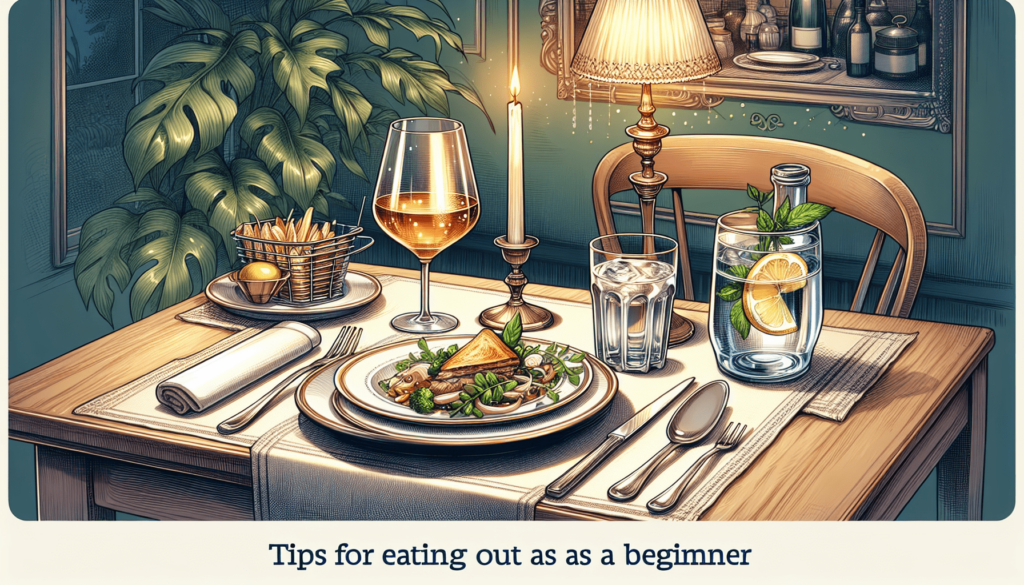
Choosing the Right Restaurant
Selecting the appropriate restaurant is critical for a positive dining experience. Consider the type of cuisine you’re in the mood for and any dietary restrictions you might have.
Research Online Reviews
Check out platforms like Yelp, TripAdvisor, or Google Reviews. These resources offer customer reviews and ratings that can provide helpful insights into the restaurant’s quality and the kind of experience you can expect.
| Platform | Features |
|---|---|
| Yelp | User reviews, pictures, detailed ratings |
| TripAdvisor | Global reviews, travel insights, forums |
| Reviews, ratings, business hours, maps |
Ask for Recommendations
Reach out to friends, family, or colleagues for suggestions. Personal recommendations often come with first-hand experiences that can guide you to the right place. Don’t hesitate to ask about the ambiance, pricing, and favorite dishes.
Making a Reservation
Once you’ve decided where to go, it’s time to secure your spot. Making a reservation can save you time and ensure that you have a place to sit, especially during peak dining hours.
Why Make a Reservation?
Reservations not only guarantee a table but also allow the restaurant to prepare for your arrival, ensuring you have the best possible experience. Waiting for a table can be frustrating and can set a negative tone for your meal.
How to Make a Reservation
Most restaurants accept reservations over the phone, through their website, or via online booking platforms. When making a reservation, provide the following information:
- Your Name
- Date and Time of Your Visit
- Number of Guests
- Special Requests (e.g., dietary restrictions, seating preferences)
Online Booking Platforms
Websites and apps like OpenTable, Resy, and Bookatable streamline the reservation process.
| Platform | Features |
|---|---|
| OpenTable | Real-time booking, reviews, points system |
| Resy | Simple interface, curated restaurant lists |
| Bookatable | Offers and deals, user reviews |
Navigating the Menu
Menus can be extensive and sometimes overwhelming. Here are some tips to help you through the decision-making process.
Understanding Menu Sections
Menus are typically divided into sections: appetizers, entrees, sides, and desserts. Understanding these categories can help you pick a balanced meal.
- Appetizers/Starters: Small dishes to kickstart your meal.
- Entrees/Main Courses: These are the main dishes and typically more filling.
- Sides: Supplementary dishes that can complement your entree.
- Desserts: Sweet dishes to end your meal on a high note.
Asking Questions
Don’t hesitate to ask your server for advice or clarifications. They can provide recommendations based on your preferences and help you understand unfamiliar dishes. Questions to consider include:
- What are the specialties?
- How spicy is this dish?
- Are there any vegetarian or gluten-free options?
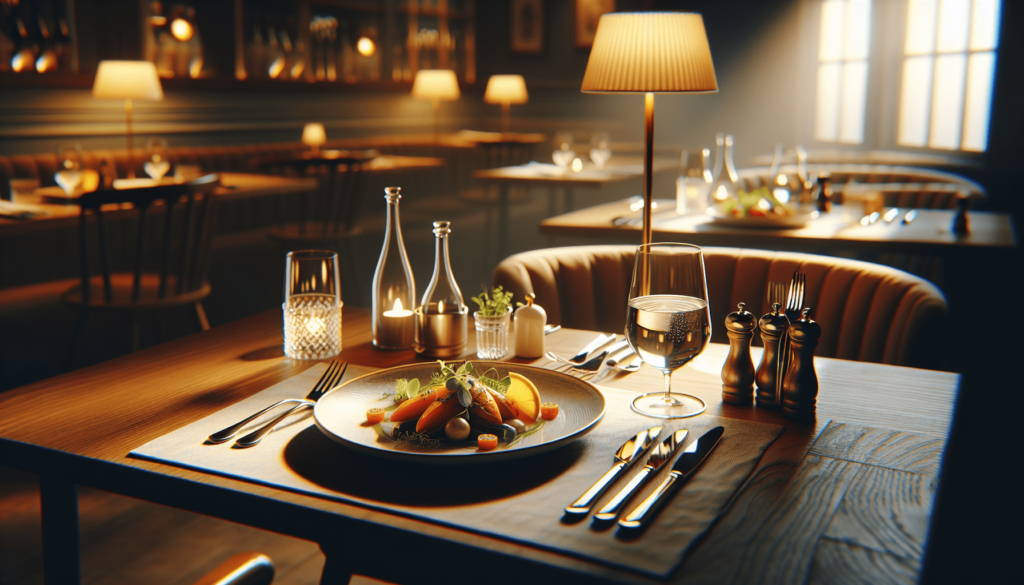
Ordering Your Meal
Once you have an idea of what you’d like, it’s time to place your order.
Consider Your Preferences
Think about what you enjoy eating. Do you prefer spicy, sweet, sour, or savory flavors? Knowing what you like can help narrow down your choices.
Portion Sizes
Ask about portion sizes to avoid over-ordering. Starters are usually smaller, whereas main courses can be quite filling.
Dietary Needs and Restrictions
If you have any dietary restrictions or allergies, communicate these clearly to your server. Most restaurants are accommodating and will do their best to meet your needs.
Beverages
From water to wine, choosing the right beverage can enhance your meal. Ask your server for pairing suggestions if you’re unsure what drink complements your dish best.
Table Etiquette and Manners
Dining out involves more than just eating; it’s also about the social experience. Here are a few etiquette tips to consider.
Basic Manners
- Arrive on Time: Being punctual shows respect for the restaurant and your dining companions.
- Stay Off Your Phone: Engage with your companions and enjoy the experience without distractions.
- Politeness: Treat staff and other diners with respect and courtesy.
Table Settings
Understanding basic table settings can make you feel more comfortable. For example, the fork is usually placed on the left of the plate, and the knife on the right.
Tipping
Tipping is customary in many countries and reflects your appreciation of the service. A standard tip is around 15-20% of the total bill.
Handling Special Situations
Sometimes, unforeseen scenarios can arise, and knowing how to handle them gracefully is key.
Dietary Restrictions
If you have food allergies or dietary restrictions, inform the restaurant ahead of time, preferably when you make your reservation. This allows the kitchen to prepare and ensure they can accommodate your needs.
Mistakes with Orders
If there’s an issue with your order, such as receiving the wrong dish or if it’s not cooked to your liking, calmly and politely inform your server. Most restaurants will be more than willing to correct the mistake without any additional cost.
Celebrations
If you’re dining out to celebrate a special occasion, let the restaurant know. They often have special arrangements like complimentary desserts or decor to make your experience memorable.
Paying the Bill
The way the bill is handled can vary depending on the restaurant and the dining culture in your area.
Separate Checks
If you’re dining with a group, decide beforehand if you’ll split the bill or request separate checks. Most restaurants can accommodate this if you inform them at the beginning of the meal.
Payment Methods
Restaurants usually accept multiple forms of payment, including cash, credit/debit cards, and digital wallets. Be sure to bring a valid form of payment to avoid any awkward situations.
Leaving a Tip
Leave a tip based on the quality of service. Using a table, let’s break down an ideal tipping guide in percentages:
| Service Level | Tip Percentage |
|---|---|
| Excellent Service | 20% or more |
| Good Service | 15-20% |
| Average Service | 10-15% |
| Below Average | Less than 10% |
Post-Dining Experience
Your first time dining out doesn’t end when you leave the restaurant. Reflect on your experience and consider any feedback you might have.
Give Feedback
Many restaurants appreciate constructive feedback. Whether it’s through an online review or directly to the staff, sharing your experience helps them improve their service.
Plan for Next Time
Think about what you enjoyed and what you would do differently next time. This makes future dining experiences more enjoyable and tailored to your preferences.
Share Your Experience
Talk about your experience with friends and family, especially if you discovered a new favorite spot. Sharing positive experiences can help others who might also be new to dining out.
Conclusion
Eating out as a beginner is a learning experience filled with opportunities to explore new flavors, enjoy social interactions, and discover diverse cuisines. By choosing the right restaurant, making a reservation, navigating the menu, ordering with confidence, observing proper etiquette, handling special situations, and paying the bill smoothly, you set yourself up for a successful dining experience. Remember, practice makes perfect. The more you dine out, the more comfortable and enjoyable it will become. Enjoy your culinary journey!