
Have you ever woken up after a full night’s sleep and still felt exhausted? You’re not alone! Sleep is one of the most crucial aspects of overall health and well-being, but for many, achieving high-quality and restorative sleep can feel elusive. The good news is that with a few adjustments to your daily routine and environment, you can significantly improve the quality of your sleep and enhance your recovery.

Understanding Sleep Quality and Recovery
Why Sleep Quality Matters
Quality sleep is essential for the proper functioning of your body and mind. It affects learning, memory, mood, and general health. Poor sleep quality can lead to numerous health issues such as heart disease, diabetes, and obesity, not to mention it makes you feel groggy and slow throughout the day.
The Importance of Recovery
Sleep is the time when your body goes into repair mode. It’s when muscles grow and tissues heal. Recovery is particularly important for athletes and those who engage in regular physical activity. However, everyone benefits from recovery, as it plays a key role in mental clarity and emotional stability.
Creating the Ideal Sleep Environment
Room Temperature
Your bedroom should be cool, quiet, and dark to promote the best sleep conditions. The optimal temperature for sleep is usually between 60-67 degrees Fahrenheit (15.5-19.4 degrees Celsius). A cooler room helps lower your body’s core temperature, which is vital for initiating sleep.
Lighting
Exposure to light can drastically affect your sleep cycle. Opt for blackout curtains to eliminate any external light sources. Dim the lights an hour before bedtime to signal your body that it’s time to wind down. Consider using smart lighting that adjusts color temperatures to simulate natural dusk and dawn.
Noise Control
Unwanted noises can disrupt your sleep cycle. Utilize earplugs or a white noise machine to mask any disruptive sounds. Soft, consistent noises like a fan or ocean waves can be soothing.
Mattress and Pillows
Invest in a high-quality mattress and pillows tailored to your sleeping style, whether you are a side, back, or stomach sleeper. An uncomfortable bed can lead to poor sleep posture, resulting in back and neck pain.
Clean and Declutter
A clutter-free room can enhance relaxation. Keep your bedroom tidy and only use it for sleep and relaxation to create a strong mental association between your bedroom and sleeping.

Establishing a Bedtime Routine
Consistent Sleep Schedule
Going to bed and waking up at the same time every day, even on weekends, helps regulate your body’s internal clock. Consistency reinforces your body’s sleep-wake cycle, making it easier to fall asleep and wake up naturally.
Wind Down Activities
Spend the last hour before bed engaging in calming activities. This could be reading, soaking in a warm bath, practicing mindfulness, or listening to soothing music. Avoid any stressful or stimulating activities that could keep your mind alert.
Limiting Exposure to Screens
Electronic devices emit blue light, which interferes with your production of melatonin—the hormone responsible for sleep. Avoid screens from phones, tablets, and computers at least an hour before bed, or use blue light filters if necessary.
Mindfulness and Relaxation Techniques
Incorporate mindfulness, yoga, or meditation into your nightly routine. Techniques like deep-breathing exercises and progressive muscle relaxation can help your body and mind transition to sleep mode.
Nutrition and Hydration
Balanced Diet
Eating a balanced diet rich in vegetables, fruits, whole grains, and lean proteins can improve your sleep quality. Certain foods like bananas, almonds, and warm milk contain nutrients that promote sleep.
Timing Your Meals
Avoid large meals and heavy or rich foods within a couple of hours of bedtime. Eating too close to bedtime can cause discomfort from indigestion, making it harder to fall asleep.
Limiting Caffeine and Alcohol
Caffeine and alcohol are major sleep disruptors. While caffeine keeps you awake, alcohol can prevent you from reaching the deep stages of sleep. Reduce your intake of both, especially in the hours leading up to bedtime.
Staying Hydrated
Hydration is crucial, but be mindful of fluid intake before bed to avoid frequent trips to the bathroom throughout the night. Aim to meet your hydration needs throughout the day.

Physical Activity
Regular Exercise
Engaging in regular physical activity can help you fall asleep faster and enjoy deeper sleep. Aim for at least 30 minutes of moderate aerobic exercise on most days, but avoid vigorous workouts close to bedtime since they can be stimulating.
Timing of Workouts
Morning or afternoon workouts are ideal as they contribute to a healthier sleep pattern. If you prefer evening exercise, ensure it’s done at least three hours before you plan to go to bed.
Managing Stress and Anxiety
Stress Reduction Techniques
High levels of stress and anxiety can severely impact your sleep quality. Engage in activities that reduce stress, such as journaling, talking to a friend, or spending time in nature.
Professional Help
If you find it difficult to manage stress and anxiety on your own, it may be beneficial to speak to a healthcare professional or a therapist who can provide coping strategies tailored to your needs.

Sleep Disorders and When to See a Doctor
Common Sleep Disorders
Conditions like insomnia, sleep apnea, restless legs syndrome, and narcolepsy can significantly affect the quality of your sleep. Recognizing symptoms early can help in seeking appropriate treatment.
When to Seek Medical Advice
If you’ve tried multiple strategies to improve your sleep and still find yourself struggling, it may be time to consult a healthcare provider. Early intervention can help identify any underlying issues and provide effective treatment options.
Tracking Your Sleep
Sleep Diaries
Keeping a sleep diary can help you track sleep patterns and identify factors that may be affecting your sleep. Note your bedtime, wake time, and any interruptions along with lifestyle habits like diet, exercise, and stress levels.
Technology and Apps
There are numerous sleep tracking devices and apps available that can provide insights into your sleep patterns. These tools often come with personalized recommendations to help you improve your sleep quality.
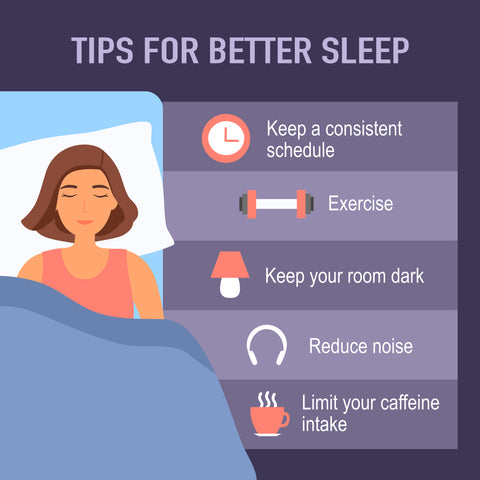
Practical Tips for Better Sleep Quality
Consistent Bedtime Routine
Build and stick to a bedtime routine that you find relaxing. Over time, your body will recognize these rituals as signals that it’s time to sleep.
Create a Sleep-Inducing Environment
Adjust your bedroom environment to make it as conducive to sleep as possible. This includes the right temperature, minimal light, and reduced noise.
Diet Matters
Eat a balanced diet and be mindful of what you consume close to bedtime. Stick to foods that promote sleep and avoid stimulants.
Stay Active
Regular exercise can drastically improve your sleep quality. Just remember to time your workouts appropriately.
Manage Stress
Incorporate stress management techniques into your daily routine to help calm your mind before bedtime.
Seek Help if Needed
Don’t hesitate to seek professional help if you suspect you have a sleep disorder or if you’re unable to improve your sleep through self-help measures.
Recap of Key Points
Improving sleep quality and recovery doesn’t have to be complicated. Here’s a quick recap of the key points to remember:
| Tip | Description |
|---|---|
| Maintain Consistent Sleep Schedule | Go to bed and wake up at the same time every day, even on weekends. |
| Ideal Sleep Environment | Keep your bedroom cool, dark, and quiet. Invest in a good mattress and pillows. |
| Screen Time | Limit exposure to electronic screens and blue light at least an hour before bedtime. |
| Diet and Hydration | Eat a balanced diet, limit caffeine and alcohol, and stay hydrated throughout the day. |
| Exercise Regularly | Engage in regular physical activity but avoid vigorous exercise close to bedtime. |
| Stress Management | Use mindfulness, yoga, or relaxation techniques to reduce stress and anxiety. |
| Seek Professional Help | Consult a healthcare provider if you suspect a sleep disorder or if self-help measures fail. |
| Track Your Sleep | Use sleep diaries or technology to monitor your sleep patterns and make necessary adjustments. |
By implementing these strategies, you can take significant steps toward enjoying high-quality, restorative sleep and enhancing your overall recovery. Sweet dreams!