
Do you ever feel like stress and anxiety are taking over your life? You’re not alone. Many people experience these overwhelming emotions at various times. The good news is that there are practical ways to manage and reduce stress and anxiety. This guide will walk you through some of the most effective strategies to help you lead a calmer, more balanced life.

Understanding Stress and Anxiety
What Is Stress?
Stress is your body’s natural response to any demand or challenge. It can be short-term (acute) or long-term (chronic). Acute stress can be a reaction to a sudden event, such as an upcoming test or a tight deadline. Chronic stress, however, is a result of ongoing issues like a challenging job or financial struggles.
What Is Anxiety?
Anxiety is the feeling of worry, nervousness, or unease about something uncertain. It is your body’s way of preparing for a potential threat. While stress can cause anxiety, not all anxiety stems from stress. Understanding the distinction between stress and anxiety helps in managing them effectively.
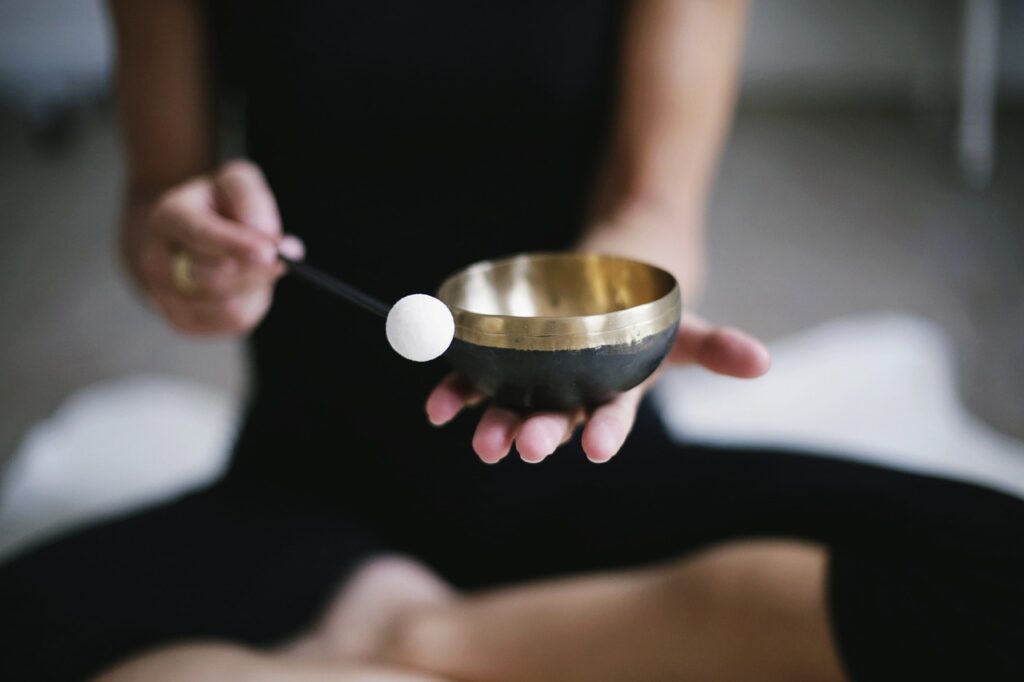
Top Ways To Reduce Stress And Anxiety
Practice Mindfulness
Mindfulness is the practice of being present in the moment without judgement. It involves paying attention to your thoughts, emotions, and physical sensations.
How To Practice Mindfulness
-
Find a Quiet Space
Choose a calm environment where you won’t be interrupted. -
Focus on Your Breathing
Pay attention to your breath as it goes in and out. This can serve as an anchor to the present moment. -
Observe Your Thoughts
Watch your thoughts as they come and go, without getting attached to them. Imagine them as clouds passing through the sky.
Physical Activity
Regular exercise is a proven way to combat stress and anxiety. Physical activity helps release endorphins, which are natural mood lifters.
Types of Exercise
| Type | Examples | Benefits |
|---|---|---|
| Aerobic Activity | Running, cycling, swimming | Boosts heart health, reduces stress |
| Strength Training | Weightlifting, bodyweight exercises | Builds muscle, enhances mood |
| Flexibility Exercises | Yoga, stretching | Improves flexibility, reduces tension |
Healthy Eating
Your diet plays a crucial role in how you feel. Eating a balanced diet can significantly lower stress and anxiety levels.
Foods to Include
-
Omega-3 Fatty Acids
Found in fish, flaxseeds, and walnuts, these can help reduce anxiety. -
Whole Grains
Foods like barley, oats, and quinoa provide steady energy and help maintain stable blood sugar levels. -
Fruits and Vegetables
Rich in vitamins and minerals that boost your mood and overall health.
Foods to Avoid
-
Caffeine
Can make anxiety worse by increasing heart rate. -
Added Sugars
Can lead to energy crashes that increase stress and anxiety.
Quality Sleep
Good sleep is essential for managing stress and anxiety. Lack of sleep can make it harder to cope with life’s challenges.
Tips for Better Sleep
-
Stick to a Schedule
Go to bed and wake up at the same time every day. -
Create a Relaxing Bedtime Routine
Engage in calming activities like reading or taking a bath before bed. -
Limit Screen Time
Avoid screens at least an hour before bedtime to help your brain wind down.
Social Support
Never underestimate the power of a strong support network. Talking to friends, family, or a counselor can provide emotional relief.
Ways to Build Social Support
-
Join a Club or Group
Whether it’s a book club or a sports team, connecting with people who share your interests can be uplifting. -
Reach Out
Don’t hesitate to share your feelings with a trusted friend or family member. -
Seek Professional Help
Therapists and counselors are trained to help you manage stress and anxiety.
Time Management
Poor time management can lead to stress. Improving how you manage your time can alleviate a lot of your worries.
Effective Time Management Techniques
-
Make a To-Do List
Prioritize tasks based on their importance and deadlines. -
Break Down Tasks
Divide larger tasks into smaller, manageable parts. -
Set Realistic Goals
Avoid setting yourself up for failure by being overly ambitious.
Relaxation Techniques
Learning how to relax can significantly reduce stress and anxiety. There are multiple techniques that can help you achieve this.
Types of Relaxation Techniques
-
Deep Breathing
This involves taking slow, deep breaths to calm your nervous system. -
Progressive Muscle Relaxation
This involves tensing and then slowly relaxing each muscle group. -
Visualization
Imagine yourself in a peaceful setting to help reduce stress.
Nature Therapy
Spending time in nature can improve your mood and reduce stress.
Activities to Consider
-
Hiking
It’s a great way to combine physical activity with natural beauty. -
Gardening
Connecting with the earth can be incredibly soothing. -
Picnicking
Enjoy a relaxing meal outdoors with family or friends.
Limit Alcohol and Tobacco
While some people turn to alcohol and tobacco to unwind, these substances can actually increase stress in the long run.
Substitutes for Relaxation
-
Herbal Teas
Chamomile and peppermint teas can be calming. -
Non-Alcoholic Beverages
Opt for sparkling water with a splash of juice.
Hobbies and Creativity
Engaging in activities you love can be a significant stress-reliever.
Hobbies To Consider
-
Art and Craft
Drawing, painting, or knitting can be therapeutic. -
Sports and Games
Participating in a sport or playing games can be a fun way to unwind. -
Cooking
Preparing a meal can be a relaxing and rewarding experience.
Cognitive Behavioral Techniques
Changing the way you think can have a huge impact on your stress levels.
Effective Cognitive Techniques
-
Positive Thinking
Focus on the good aspects of any situation. -
Reframing
Change your perspective on a stressful event to see it in a more positive light. -
Problem-Solving
Break down the problem and tackle each part methodically.
Gratitude Practices
Focusing on what you’re thankful for can help reduce stress and improve your mood.
How to Practice Gratitude
-
Keep a Gratitude Journal
Write down three things you’re thankful for each day. -
Express Thanks
Take a moment to thank someone for something they did. -
Mindful Appreciation
Spend a few moments each day appreciating what you have.
Hydration
Drinking enough water is essential for mental and physical well-being. Dehydration can exacerbate feelings of stress and anxiety.
Tips for Staying Hydrated
-
Carry a Water Bottle
Having water with you makes it easier to drink throughout the day. -
Monitor Your Intake
Set reminders to drink water if you often forget. -
Opt for Water-Rich Foods
Foods like watermelon, cucumbers, and oranges help with hydration.
Digital Detox
Technology can be both a boon and a bane when it comes to stress levels. Sometimes, taking a break from screens can do wonders for your mental health.
Steps for a Digital Detox
-
Set Screen-Free Times
Allocate specific times during the day to go screen-free. -
Limit Social Media
Spend less time on platforms that make you feel stressed or anxious. -
Engage in Offline Activities
Use the time to read, meditate, or spend time outdoors.
Financial Planning
Financial stress can be a significant source of anxiety. Taking steps to manage your finances can alleviate this burden.
Financial Management Tips
-
Create a Budget
Track your income and expenses to manage your finances better. -
Emergency Fund
Set aside some money each month for unexpected expenses. -
Seek Financial Advice
Consult a financial advisor if you’re struggling to manage your money.

Conclusion
Managing stress and anxiety is an ongoing process that requires a multi-faceted approach. Whether through mindfulness, physical activity, social support, or proper time management, each method contributes to a healthier, more balanced life. Remember, it’s essential to find what works best for you and make it a regular part of your routine. By implementing these strategies, you can empower yourself to lead a calmer, more fulfilling life.
