
Have you ever wondered why proper form is so important when starting a new exercise routine? Understanding the fundamentals of proper form can make a significant difference in your fitness journey. Not only does it help prevent injuries, but it also ensures you are getting the most out of every workout.

The Importance of Proper Form
Proper form is crucial for both beginners and experienced athletes. It ensures that you are targeting the correct muscles, maximizing efficiency, and reducing the risk of injury. When you use improper form, you may inadvertently stress the wrong muscle groups or even your joints, which can lead to long-term damage.
Injury Prevention
One of the primary reasons for maintaining proper form is to prevent injuries. Incorrect form can lead to strains, sprains, and fractures. For example, if you are doing a squat incorrectly, you might place undue pressure on your knees instead of engaging your glutes and thighs. This can lead to knee pain and even serious injury over time.
Maximizing Efficiency
Using proper form helps you engage the correct muscle groups, ensuring you get the most out of your workout. In turn, this can help you achieve your fitness goals more efficiently. For example, when performing a deadlift with proper form, you equally work your legs, back, and core muscles.
Common Mistakes Beginners Make
As a beginner, it’s easy to fall into some common traps when it comes to form. Understanding these pitfalls can help you avoid them.
Incorrect Posture
Maintaining good posture is essential for almost any exercise. Slumping your shoulders, curving your back, or putting too much pressure on your joints can hinder your performance and lead to injuries.
Rushing Through Reps
Many beginners make the mistake of rushing through reps to complete their set quickly. However, rushing can compromise your form and decrease the effectiveness of the exercise. It’s better to perform fewer reps with proper form than more reps with poor form.
Using Too Much Weight
Another common mistake is using weights that are too heavy. This compromises your form and increases the risk of injury. Start with lighter weights and focus on mastering your form before increasing the weight.
Basic Exercises and Their Proper Form
Learning the correct form for basic exercises can set a strong foundation for your fitness journey. Below, we break down some common exercises and how to perform them correctly.
Squats
Squats are great for building leg strength and enhancing core stability. But performing them incorrectly can lead to knee and back pain.
- Stand tall with your feet shoulder-width apart.
- Keep your chest up and your spine neutral.
- Lower your body by bending your knees and hips, as if you are sitting back into a chair.
- Make sure your knees do not pass your toes.
- Return to the starting position by pushing through your heels.
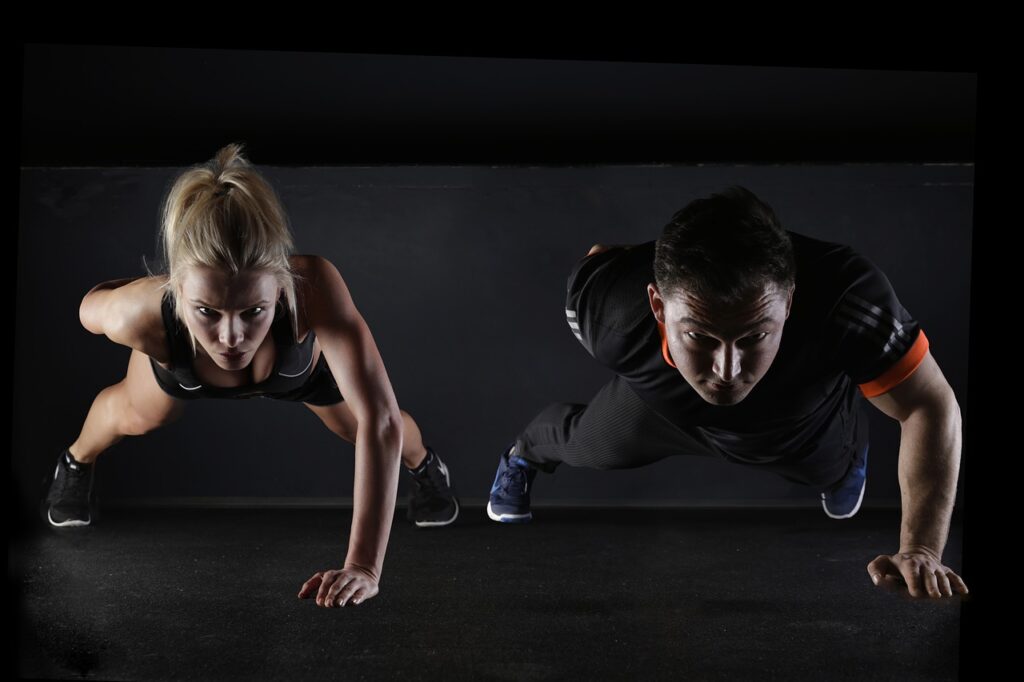
Push-Ups
Push-ups are excellent for building upper body and core strength, but they require proper form to be effective.
- Start in a plank position with your hands directly under your shoulders and your body in a straight line.
- Lower your body until your chest nearly touches the floor.
- Keep your elbows at a 45-degree angle to your body.
- Push back up to the starting position, maintaining a straight line from head to heels.
Lunges
Lunges target your legs and glutes, but they require balance and proper form to avoid knee strain.
- Stand tall with your feet together.
- Take a step forward with one leg and lower your body until your front thigh is parallel to the ground.
- Your back knee should hover just above the floor.
- Push back up to the starting position using the front heel.
Deadlifts
Deadlifts are fantastic for building lower body and back strength, but they can be dangerous if performed incorrectly.
- Stand with your feet shoulder-width apart and a barbell in front of you.
- Bend at your hips and knees to grasp the barbell with an overhand grip.
- Keep your back straight and lift the barbell by extending your hips and knees.
- Lower the barbell back to the ground in a controlled manner.
Tips for Maintaining Proper Form
Maintaining proper form can be challenging, especially when you are just starting. Here are some tips to help you stay on track:
Warm Up
Always warm up before starting your workout. A good warm-up increases blood flow to your muscles and prepares your body for physical activity, reducing the risk of injury.
Start with Bodyweight Exercises
Before adding weights, start with bodyweight exercises to master your form. This approach allows you to focus on the mechanics of the exercise without the added complexity of balancing weights.
Use a Mirror
Performing exercises in front of a mirror can help you monitor your form. A mirror allows you to see if your posture is correct and if you are performing the movements accurately.
Seek Professional Guidance
Consider working with a fitness trainer, especially at the beginning of your fitness journey. A professional can provide personalized tips and corrections to ensure you are using proper form.

Monitoring Progress
Tracking your progress is essential for staying motivated and ensuring you are improving. Proper form plays a crucial role in accurately monitoring your progress.
Keep a Workout Journal
Record your workouts in a journal. Note the exercises, sets, reps, and weight used. This practice can help you track progress and identify areas where your form might need improvement.
Use Technology
There are plenty of apps and gadgets that can help you monitor your form. Some fitness trackers provide feedback on your movements, while others offer video tutorials for you to compare your form against.
Regularly Assess Form
Periodically reassess your form to make sure you haven’t picked up any bad habits. Video recordings of your workouts can be incredibly helpful in this regard.
Building the Habit
Building the habit of maintaining proper form takes time and conscious effort. Here’s how you can make it a part of your routine:
Consistency is Key
Consistency is essential for forming any habit. Make a commitment to focus on your form during every workout. The more you practice, the more natural it will become.
Educate Yourself
Educate yourself about different exercises and the importance of proper form. The more you know, the better equipped you will be to maintain good habits.
Listen to Your Body
Your body often gives you signs when something is wrong. If you feel pain (other than the usual muscle soreness), it could be a sign that your form is off. Take a break, reassess, and correct your form.
Make it a Priority
Prioritize proper form over the number of reps or the amount of weight. Over time, as your form improves, you will find that you can lift heavier and perform more reps without compromising your safety.
Advanced Tips and Techniques
Once you’ve mastered the basics, you might be ready to advance to more complex exercises and techniques. However, maintaining proper form continues to be crucial.
Compound Movements
Exercises that work for multiple muscle groups, known as compound movements, can be very effective. Examples include squats, deadlifts, and bench presses. Since these exercises are more complex, they require extra attention to form.
Progressive Overload
Progressive overload is the technique of gradually increasing the weight, frequency, or number of reps in your workout. This tactic helps in muscle building and strength gain. However, always make sure your form is not compromised as you increase the difficulty.
Rest and Recovery
Your muscles need time to recover, especially when you are constantly challenging them. Rest days and proper nutrition are just as important as your workouts. Overworking your muscles can lead to fatigue, which often results in poor form and potential injury.
Role of Different Equipment
Fitness equipment can both aid and complicate your efforts to maintain proper form. Understanding how to use equipment correctly is key.
Free Weights vs. Machines
Free weights can offer a more versatile range of motion, but they require better form and stability. Machines, on the other hand, often have built-in guides to help you maintain proper form but can be less flexible in movement.
Resistance Bands
Resistance bands are excellent for beginners because they offer adjustable resistance and are easier on joints. They can also help you master your form before you transition to heavier weights.
Stability Balls and Bosu Balls
These pieces of equipment can improve your balance and core strength. They force you to engage multiple muscle groups to maintain stability, which can aid in better form.
Mirrors and Balance Pads
Using mirrors for visual feedback and balance pads for additional challenges can further enhance your fitness routine by ensuring that your form remains intact while performing exercises.
Practical Routine for Beginners
Building a new fitness routine can be overwhelming. Here’s a sample plan to get you started, emphasizing proper form across various exercises.
| Day | Exercise | Reps | Sets | Focus |
|---|---|---|---|---|
| Monday | Squats | 10-12 | 3 | Lower Body & Core |
| Push-Ups | 8-10 | 3 | Upper Body & Core | |
| Deadlifts | 10 | 3 | Lower Body & Back | |
| Tuesday | Lunges | 10-12 | 3 | Lower Body & Balance |
| Plank | 30-60s | 3 | Core | |
| Wednesday | Rest Day | Recovery | ||
| Thursday | Glute Bridges | 10-12 | 3 | Lower Body & Glutes |
| Dumbbell Rows | 10 | 3 | Upper Body & Back | |
| Friday | Overhead Press | 8-10 | 3 | Shoulders & Core |
| Russian Twists | 10-12 | 3 | Core | |
| Saturday | Cardio (e.g., running) | 20-30min | Full Body | |
| Sunday | Rest Day | Recovery |
This basic routine includes a mix of resistance and cardio exercises, with an emphasis on core and balance, essential for maintaining proper form.
Conclusion: Start Your Journey with Confidence
Understanding and maintaining proper form is the cornerstone of a successful and safe fitness journey. By prioritizing correct posture and technique from the outset, you set yourself up for lasting success and prevent potential setbacks. Remember, it’s not about how fast you make progress, but how safely and effectively you reach your goals. Get started today, and remember to listen to your body as you embark on this rewarding journey!