
Are you familiar with yoga wheels? If you’ve ever practiced yoga or have friends who do, you might have heard about these fantastic tools. A yoga wheel can transform your practice, provide deep stretches, and offer numerous health benefits. But did you know there are different types of yoga wheels? Each type has its unique advantages, and choosing the right one can enhance your yoga experience. Let’s explore the different types of yoga wheels and their benefits.

What is a Yoga Wheel?
A yoga wheel is a versatile yoga prop that resembles a large, sturdy wheel. It is typically made from a combination of plastic, wood, or cork wrapped in a soft, cushioned material for comfort. The wheel is designed to support and assist your body during various yoga poses and stretches, helping you deepen your practice and achieve new levels of flexibility and balance.
The Purpose of a Yoga Wheel
Before delving into the different types, it’s essential to understand the purpose of a yoga wheel. These props serve multiple functions:
- Enhancing Flexibility: By providing support, a yoga wheel helps you stretch muscles more deeply.
- Improving Balance: Balancing poses can be more accessible when using a yoga wheel as a prop.
- Injury Prevention: It offers support and alignment, minimizing the risk of injury during complex poses.
- Spinal Massage: Rolling your spine on a yoga wheel can provide a relaxing and therapeutic spinal massage.
- Strength Building: Engaging your muscles to maintain balance on the wheel can build core strength.
Common Types of Yoga Wheels
1. Standard Yoga Wheels
Description: The standard yoga wheel is typically 12 inches in diameter and around 5 inches wide. It is the most common type of yoga wheel, suitable for most practitioners regardless of their skill level.
Advantages:
- Versatile: Ideal for various poses and stretches.
- Beginner-Friendly: Suitable for those new to using yoga wheels.
- Supportive: Provides ample support for backbends and spinal alignment.
2. Mini Yoga Wheels
Description: Mini yoga wheels are smaller versions of the standard wheel, usually around 6 inches in diameter and 4 inches wide. They are great for targeting specific areas of the body.
Advantages:
- Portability: Easy to carry and transport.
- Targeted Stretching: Perfect for focusing on smaller muscle groups.
- Enhanced Control: Provides greater control for detailed stretches.
3. Cork Yoga Wheels
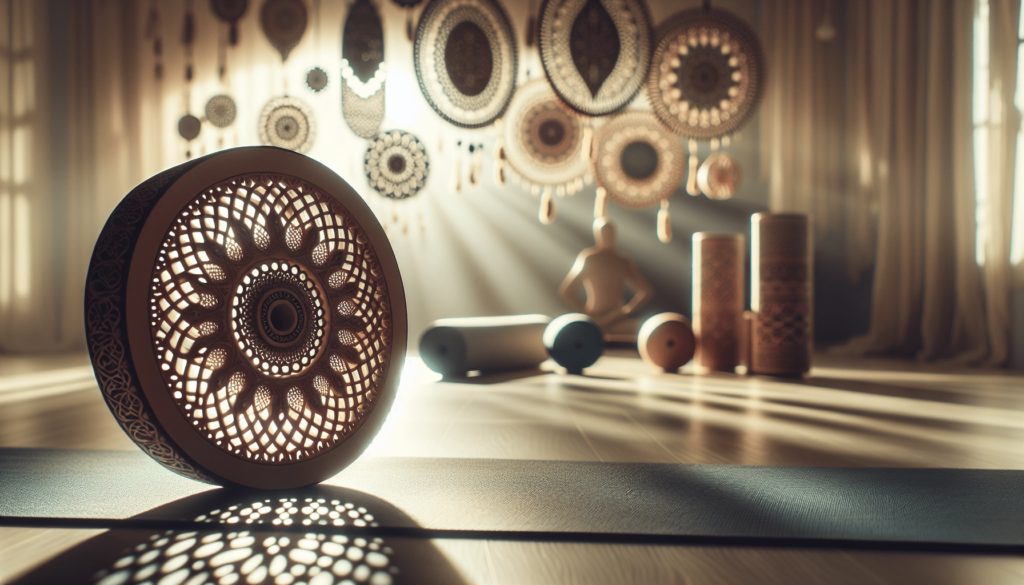
Description: Cork yoga wheels are made from environmentally-friendly cork material, offering a natural and non-slip surface. They vary in size but are typically around the standard 12-inch diameter.
Advantages:
- Eco-Friendly: Made from sustainable materials.
- Non-Slip: Provides a superior grip even when sweaty.
- Natural Feel: Offers a more tactile, organic experience.
4. Foam Yoga Wheels
Description: These yoga wheels have a dense foam padding wrapped around a hard plastic core. The foam offers a cushioned feel, making them more comfortable for sensitive users.
Advantages:
- Comfortable: Ideal for those who find harder wheels uncomfortable.
- Shock Absorption: The foam can absorb impact, providing a gentler experience.
- Great for Beginners: Offers an extra layer of protection for those new to using yoga wheels.
5. Wooden Yoga Wheels
Description: Crafted from various types of wood, these yoga wheels are known for their durability and aesthetic appeal. They often come in different finishes and designs.
Advantages:
- Durability: Highly resistant to wear and tear.
- Aesthetic Appeal: Adds a touch of elegance to your practice.
- Natural Material: Generally free from synthetic materials.
6. Pro-Grade Yoga Wheels
Description: Specifically designed for advanced practitioners, pro-grade yoga wheels are typically larger and more robust. They are built to withstand more intense and varied use.
Advantages:
- Durable: Built to last through rigorous usage.
- Versatile for Advanced Poses: Perfect for deep backbends and complex poses.
- Enhanced Support: Provides extra stability for challenging poses.
How to Choose the Right Yoga Wheel for Your Practice
Choosing the right yoga wheel depends on your individual needs, goals, and preferences. Here are some considerations to keep in mind:
Practice Level
- Beginner: A standard or foam yoga wheel is generally the best starting point due to its supportive nature and cushioning.
- Intermediate: You may want to experiment with cork or mini yoga wheels for targeted stretches and balance improvement.
- Advanced: Pro-grade or wooden yoga wheels can challenge your practice and support more complex poses.
Material Preference
- Sustainability: If eco-friendliness is important to you, consider cork or wooden yoga wheels.
- Comfort: Foam yoga wheels offer enhanced comfort and shock absorption, making them suitable for sensitive individuals.
Specific Goals
- Flexibility: Standard yoga wheels are great for improving overall flexibility.
- Balance: Mini yoga wheels can help you work on your balance by focusing on smaller, stabilizing muscles.
- Strength: Pro-grade wheels can aid in building core strength through more demanding poses.

Benefits of Using a Yoga Wheel
Now that you know the types of yoga wheels, let’s explore the broad benefits they offer:
Enhanced Flexibility
Using a yoga wheel can help you achieve deeper stretches, making your muscles and joints more flexible. The wheel allows you to extend your reach and open up your body in ways that are challenging to do without support.
Improved Balance and Stability
A yoga wheel provides a destabilizing surface, forcing you to engage your core and stabilizing muscles to maintain balance. This helps improve your overall stability and balance, which can enhance your daily life and yoga practice.
Core Strength
Yoga wheels are excellent tools for building core strength. Poses that involve maintaining balance on the wheel engage your abdominal muscles, helping you build a solid core.
Spinal Health
Rolling your back on a yoga wheel offers a gentle spinal massage, relieving tension and promoting spinal health. This can help alleviate back pain and improve your posture over time.
Versatility
Yoga wheels are incredibly versatile and can be used in various yoga poses, strength training exercises, and even as props for restorative yoga sessions. They are a valuable addition to any yogi’s toolkit.
Mental Relaxation
In addition to physical benefits, using a yoga wheel in your practice can promote mental relaxation and stress relief. The gentle stretches and massage-like effects can help calm your mind and reduce tension.
Comparison Table of Yoga Wheels
| Type | Standard | Mini | Cork | Foam | Wooden | Pro-Grade |
|---|---|---|---|---|---|---|
| Size | 12″ x 5″ | 6″ x 4″ | 12″ x 5″ | 12″ x 5″ | 12″ x 5″ | Varied |
| Material | Plastic Core | Plastic Core | Cork | Foam | Wood | High-Quality |
| Comfort | High | Moderate | High | Very High | Moderate | Moderate |
| Durability | Moderate | High | High | Moderate | Very High | Very High |
| Eco-Friendly | No | No | Yes | No | Yes | Varies |
| Usage Level | All Levels | All Levels | All Levels | Beginners | Advanced | Advanced |
Incorporating Yoga Wheels into Your Practice
Integrating a yoga wheel into your practice can be simple and rewarding. Here are some ways to incorporate it effectively:
Warm-Up
Start your session with a warm-up using the yoga wheel. Gentle stretches and rolling can prepare your muscles for the more intense parts of your practice.
Core Exercises
Use the wheel to perform plank variations and other core exercises that engage your abs and lower back.
Backbends
A yoga wheel is excellent for assisted backbends. Place the wheel under your spine and slowly roll back to deepen the stretch.
Balance Poses
Build your balance by performing poses like Warrior III or Tree Pose using the wheel as a stability tool.
Relaxation and Release
End your session with calming stretches using the wheel for a gentle spinal massage and relaxation.
Safety Tips for Using a Yoga Wheel
While yoga wheels can be a fantastic addition to your practice, it’s essential to use them safely:
- Start Slow: If you’re new to using a yoga wheel, take your time to get accustomed to it. Begin with basic poses and gradually move to more complex ones.
- Listen to Your Body: Pay attention to your body’s signals. If something doesn’t feel right, stop immediately and reassess your posture or alignment.
- Use Proper Alignment: Ensure that you maintain proper alignment in all poses to avoid strain or injury.
- Practice on a Flat Surface: A stable, flat surface minimizes the risk of the wheel slipping or rolling unexpectedly.
- Consult a Professional: If you’re unsure how to use a yoga wheel or have specific health concerns, consult a yoga instructor or healthcare professional for guidance.

Conclusion
Understanding the different types of yoga wheels and their advantages can help you make an informed choice that best suits your practice. Whether you’re looking to improve flexibility, build strength, enhance balance, or simply add a new dimension to your yoga routine, there’s a yoga wheel out there that’s perfect for your needs. Embrace the benefits of this versatile tool and take your yoga practice to new heights.