
Have you ever thought about how vital balance and coordination are in your daily life? Whether reaching for something on a high shelf, navigating uneven terrain, or performing simple tasks, good balance and coordination are fundamental. They’re essential for athletes, older adults trying to avoid falls, and everyone in between. In this article, you’ll discover some effective workout routines to help improve these critical skills.

Understanding Balance and Coordination
Before jumping into specific workout routines, it’s crucial to understand what balance and coordination entail.
What is Balance?
Balance refers to the ability to maintain your center of gravity over your base of support. In simpler terms, it’s staying upright and steady, whether standing still or moving. Balance involves various systems in your body, including your inner ear, vision, muscles, and nerves.
What is Coordination?
Coordination is the ability to use different parts of your body together smoothly and efficiently. For instance, when playing a musical instrument or performing a complex dance routine, coordination is key. This skill relies on your brain’s ability to send precise instructions to your muscles swiftly and accurately.
Importance of Improving Balance and Coordination
Enhanced balance and coordination can significantly improve your overall quality of life. From boosting athletic performance to reducing the risk of injuries and falls, the benefits are extensive. Additionally, these skills can aid in mental focus and body awareness.
Assessing Your Current Balance and Coordination
Before starting any workout routine, it’s useful to assess your current level of balance and coordination. This assessment will help you tailor exercises to your specific needs and track your progress over time.
Balance Tests
Single-Leg Stance Test
- Stand next to a chair or wall for support.
- Lift one foot off the ground and try to stay balanced.
- Hold for as long as possible without wobbling or using support.
- Switch legs and repeat.
Balance Test Results
| Time Held | Rating |
|---|---|
| <10 seconds< />d> | Poor |
| 10-20 seconds | Average |
| >20 seconds | Good |
Coordination Tests
Finger-to-Nose Test
- Extend your arm straight out to the side.
- Touch the tip of your nose with your index finger.
- Repeat with the opposite hand.
- Continue alternating for several repetitions.
Coordination Test Results
If you experience significant difficulty or notice a lack of smoothness, you may benefit from targeted coordination exercises.

Workout Routines to Improve Balance and Coordination
Here are several workout routines designed to help you enhance both balance and coordination.
Warm-Up Routine
Warming up before any exercise is essential. It prepares your muscles, reduces the risk of injury, and ensures you gain the most benefit from your workout.
- Arm Circles – Stand with your feet shoulder-width apart and extend your arms to the sides. Make small circles, gradually increasing the size for one minute. Repeat in the opposite direction.
- Leg Swings – Hold onto a chair or wall for support. Swing one leg forward and backward for 30 seconds. Switch legs and repeat.
Balance Exercises
Single-Leg Balance
-
Basic Single-Leg Stance
- Stand on one leg and try to maintain your balance for 30 seconds.
- Switch legs and repeat.
-
Single-Leg Balance with Arm Movements
- Stand on one leg and extend your arms to the side.
- Move your arms in various directions while maintaining your balance.
-
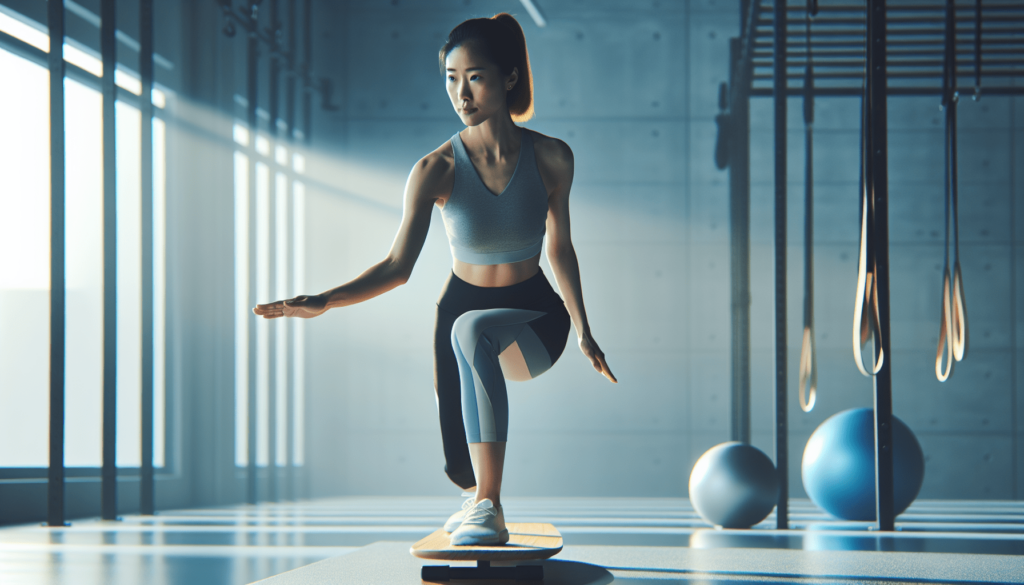
Single-Leg Balance on an Unstable Surface
- Use a balance pad or a folded towel.
- Stand on one leg on the unstable surface for 30 seconds.
- Switch legs and repeat.
Heel-to-Toe Walk
- Walk in a straight line, placing the heel of one foot directly in front of the toes of the other foot.
- Continue for 10 steps forward and then 10 steps backward.
Standing Knee Raises
- Stand with your feet shoulder-width apart.
- Raise one knee to hip level and hold for a few seconds.
- Lower and repeat with the other knee.
- Aim for 10 repetitions on each side.
| Exercise | Duration (Seconds) | Repetitions |
|---|---|---|
| Basic Single-Leg Stance | 30 | 3 |
| Single-Leg Balance with Arm Movements | 30 | 3 |
| Single-Leg Balance on an Unstable Surface | 30 | 3 |
| Heel-to-Toe Walk | – | 10 forward, 10 backward |
| Standing Knee Raises | – | 10 each side |
Coordination Exercises
Ball Toss
- Stand with your feet shoulder-width apart.
- Toss a small ball between your hands at different heights and directions.
- Focus on maintaining a smooth, controlled motion.
Ladder Drills
- Use a physical or imaginary ladder laid out on the ground.
- Engage in various footwork patterns, such as in-and-out, side-to-side, and crossover steps.
Hand-Eye Coordination Drills
- Target Practice
- Set up targets on a wall with varying sizes.
- Use a ball to hit each target, focusing on accuracy.
- Cup Stacking
- Arrange a set of cups in a specific order.
- Stack and unstack them as quickly and accurately as possible.
| Exercise | Duration / Sets | Repetitions |
|---|---|---|
| Ball Toss | 5 minutes | – |
| Ladder Drills | 5 minutes | – |
| Hand-Eye Coordination Drills | 5 minutes each | – |
Integrated Balance and Coordination Exercises
Tai Chi
Tai Chi is a form of martial arts focusing on slow, controlled movements that enhance both balance and coordination. Practicing Tai Chi has been shown to improve overall physical stability, making it an excellent choice.
Yoga
Yoga is another fantastic method for improving balance and coordination. Poses like Tree Pose, Warrior III, and Dancer Pose require you to focus intensely on your balance.
| Activity | Duration | Frequency |
|---|---|---|
| Tai Chi | 30 minutes | 2-3 times/week |
| Yoga | 30 minutes | 2-3 times/week |
Tips for Success
Here are some tips to ensure you get the most out of your workout routines:
Consistency is Key
Like any fitness regimen, consistency is crucial when working on balance and coordination. Aim to include these exercises in your weekly workout schedule.
Focus on Form
Proper form ensures you’re targeting the correct muscles and reduces the risk of injury. If uncertain about a particular exercise, consider consulting a fitness professional.
Progress Gradually
Start with basic exercises and gradually progress to more challenging routines. This approach will help you build a solid foundation and prevent overexertion.
Use Props Wisely
Using props like balance pads, stability balls, and resistance bands can add variety to your workouts and help you progress more quickly.
Listen to Your Body
Pay attention to how your body feels during and after exercises. If you experience pain or discomfort, stop and reassess your form or consult a healthcare provider.

Incorporating Balance and Coordination Workouts into Your Routine
Working on balance and coordination doesn’t have to be a separate activity; you can incorporate it into your existing fitness regimen.
During Warm-Up
Incorporate balance and coordination exercises like single-leg stands and arm circles into your warm-up routines. This not only primes your muscles but also enhances your focus.
As Part of Strength Training
Many strength training exercises can be modified to also target balance and coordination. For example:
- Squats on an unstable surface: Use a balance pad or BOSU ball.
- Overhead presses on one leg: Stand on one leg while performing an overhead press.
During Cardio
Add short intervals of balance and coordination drills during cardio workouts. For instance, during a running session, take breaks to do some heel-to-toe walks or ladder drills.
Cool-Down Routine
Including balance and coordination exercises during your cool-down can help you transition smoothly while continuing to work on these critical skills.
Monitoring Your Progress
Tracking your progress is essential to know how far you’ve come and where you need to improve. Here are a few ways you can monitor your progress:
Regular Assessments
Every few weeks, perform the balance and coordination assessments mentioned earlier. Compare your current performance with previous results to see your improvements.
Keep a Workout Journal
Document your workouts, noting which exercises you performed, the duration, and how you felt. A journal can help you identify trends and make necessary adjustments.
Set Realistic Goals
Setting achievable goals can keep you motivated. For example, aim to increase your single-leg balance time by 5 seconds each week or add an extra set of coordination drills every two weeks.
Seek Feedback
If you’re working with a trainer or in a fitness class, seek constructive feedback on your form and technique. This can be invaluable in making improvements.
Preventing and Managing Injuries
When engaging in new workout routines, especially ones targeting balance and coordination, it’s essential to recognize the risk of injury.
Warm-Up and Cool Down
Always take the time to warm-up and cool down properly. This will prepare your muscles for the workout and help in their recovery afterward.
Appropriate Footwear
Wearing appropriate footwear that provides good support can significantly impact your performance and reduce the risk of injuries.
Start Slow
Don’t rush into advanced exercises; begin with basic drills and build your way up. This gradual approach helps in conditioning your muscles and joints.
Listen to Your Body
If an exercise feels painful or uncomfortable, stop immediately. Consult a healthcare or fitness professional for advice.
Conclusion
Improving balance and coordination is a journey beneficial for everyone, regardless of age or fitness level. These skills can enhance your daily activities, boost your athletic performance, and reduce the risk of injuries. With the workout routines and tips provided, you’re now better equipped to embark on this journey. Stay consistent, focus on proper form, and gradually challenge yourself to see significant improvements over time.