
Have you ever noticed how a good workout can leave you feeling lighter, more energized, and even happier? It’s no secret that physical activity plays a crucial role in our overall health, but did you know that it can significantly enhance your mental well-being too? Today’s topic is about exploring various workout routines that can help boost not just your physical fitness but also your mental health and well-being.

The Connection Between Exercise and Mental Well-being
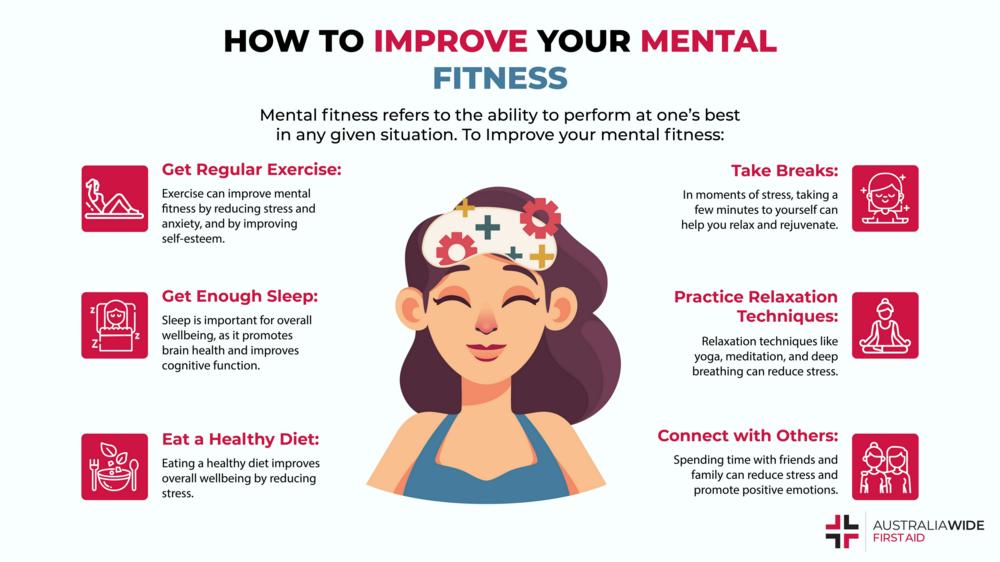
Understanding how exercise impacts mental health is essential. When you engage in physical activity, your brain releases chemicals like endorphins and serotonin that improve your mood and make you feel more relaxed. These natural mood lifters can help reduce stress, anxiety, and symptoms of depression.
How Exercise Affects the Brain
When you exercise, blood flow increases, which means more oxygen reaches your brain. This not only enhances cognitive function but also promotes the growth of new neural connections. These changes can lead to improved memory, sharper thinking, and reduced feelings of anxiety and depression.
The Science Behind It
Scientific studies have shown that regular exercise can increase the volume of certain brain regions, particularly those involved in regulating mood and cognitive function. For example, areas like the prefrontal cortex and the hippocampus tend to benefit from a consistent workout routine. Additionally, regular physical activity helps lower the levels of cortisol, the body’s stress hormone, providing a calming effect.
Types of Exercise and Their Emotional Benefits
Not all exercises affect your mental health in the same way. Different types of workouts can offer unique benefits. Let’s take a look at various exercise forms and how they can enhance your mental well-being.
Aerobic Exercises
Aerobic exercises, such as running, swimming, and cycling, are well-known for their cardiovascular benefits. However, they are also excellent for mental health. These activities can improve your mood by releasing endorphins and other “feel-good” chemicals.
Strength Training
Strength training, including weightlifting and bodyweight exercises, can also have a profound impact on your mental health. It helps build self-esteem and can alleviate symptoms of anxiety and depression. Concentrating on controlled movements, counting reps, and tracking progress can provide a sense of purpose and accomplishment.
Yoga and Pilates
Yoga and Pilates combine physical postures with breathing exercises to enhance both physical and mental well-being. These activities are effective in reducing stress and anxiety while promoting flexibility and strength. Mindfulness practices ingrained in yoga and Pilates can offer significant calming effects.
Mind-Body Exercises
Mind-body exercises like Tai Chi and Qigong focus on slow, deliberate movements and controlled breathing. These activities can help you achieve a meditative state, which is beneficial for reducing stress and improving mood.
Creating a Balanced Workout Routine
Incorporating a balanced workout routine into your life can maximize both physical and mental benefits. A balanced workout should include a mix of aerobic exercises, strength training, flexibility exercises, and mind-body sessions.
Weekly Schedule Example
Here’s an example of how you can structure your weekly workout routine to enhance mental health and well-being:
| Day | Activity | Duration |
|---|---|---|
| Monday | Aerobic Exercise (Running) | 30 minutes |
| Tuesday | Strength Training (Upper Body) | 45 minutes |
| Wednesday | Yoga | 60 minutes |
| Thursday | Aerobic Exercise (Cycling) | 30 minutes |
| Friday | Strength Training (Lower Body) | 45 minutes |
| Saturday | Mind-Body Exercise (Tai Chi) | 60 minutes |
| Sunday | Rest or Light Activity (Walking) | 30 minutes |
Keeping It Varied
Variety is crucial to keep things interesting and prevent burnout. Mixing different types of exercises keeps your workouts invigorating and ensures you’re working on various aspects of both physical and mental health.
Starting Small and Gradually Building Up
If you’re new to exercise, it’s essential to start small and gradually build up your routine. The goal is to make exercise a sustainable and enjoyable part of your lifestyle.
Setting Achievable Goals
Setting achievable goals can keep you motivated. Instead of aiming for an hour-long workout from the start, begin with shorter sessions, perhaps 10-15 minutes a day, and gradually increase the duration and intensity as your fitness level improves.
Listening to Your Body
Listening to your own body is paramount. Overexertion can lead to injuries and burnout, both of which can negatively impact your mental health. Pay attention to how you feel during and after exercise, making adjustments as needed.

Utilizing Technology to Enhance Your Routine
With the advancement of technology, there are various tools and apps available that can help you keep track of your workouts and mental well-being.
Fitness Apps
Fitness apps can provide workout plans, track your progress, and offer valuable insights into your exercise habits. Many also include features to monitor mental health indicators, such as mood tracking.
Wearable Devices
Wearable devices like fitness trackers or smartwatches can monitor various health metrics, including heart rate, sleep patterns, and stress levels. These devices can help you better understand how your workout routine impacts your mental and physical health.
Online Communities
Joining online fitness communities can provide you with the social support and motivation needed to stick to your workout routine. Engaging with like-minded individuals can help you stay committed and focused on your goals.
Addressing Common Barriers to Exercise
Several barriers might prevent you from engaging in regular exercise, but understanding and addressing these can help you develop a more consistent workout habit.
Time Management
Finding time for exercise can be challenging, especially with a busy schedule. Prioritizing and scheduling your workouts can help. Short, high-intensity sessions can be just as effective as longer workouts and can be easier to fit into your day.
Lack of Motivation
Maintaining motivation can be challenging. Setting small, attainable goals and rewarding yourself when you achieve them can keep you motivated. Additionally, working out with a friend or a group can add an element of accountability and fun.
Physical Limitations
Physical limitations or chronic illnesses can make it difficult to engage in certain types of exercises. However, there are always alternatives. Consulting with a healthcare provider or physical therapist can help you design a routine that takes your limitations into account while still providing the mental health benefits you seek.
Financial Constraints
You don’t need a gym membership or expensive equipment to stay fit. Plenty of effective workouts can be done at home with minimal or no equipment. Bodyweight exercises, online workout videos, and outdoor activities like walking or running are great, cost-effective options.

The Role of Consistency and Routine
Consistency is key when it comes to reaping the mental health benefits of exercise. Establishing a routine can help make physical activity a regular part of your lifestyle.
Developing a Habit
To develop a habit, try to work out at the same time each day. Morning workouts can energize you for the day ahead, while evening sessions can help you unwind after a long day.
Tracking Progress
Keeping a workout journal to track your progress can be incredibly motivating. Note the exercises you did, the duration, and how you felt afterward. Over time, you’ll be able to see your improvements and recognize patterns that influence your mental well-being.
Incorporating Mindfulness and Meditation
Mindfulness and meditation can further enhance the mental health benefits of your exercise routine.
Mindful Exercise
Being mindful during your workouts means paying full attention to the movements you’re making and the sensations you’re feeling. This can help you become more aware of your body and reduce stress and anxiety.
Meditation Practices
Incorporating meditation before or after your workouts can help you better manage stress and improve your overall mental health. Even just a few minutes of deep breathing or guided meditation can make a significant difference.

The Importance of Rest and Recovery
Rest and recovery are critical components of any workout routine. Without adequate recovery, you can experience fatigue, increased stress, and even injuries.
Understanding Recovery
Recovery allows your body to repair and rebuild. It helps your muscles recover and grow, and it gives your mind a break, which is crucial for maintaining mental health.
Active Recovery
Active recovery involves light activity during rest periods. Activities like walking, gentle yoga, or stretching can help to reduce muscle soreness and promote relaxation without putting too much strain on your body.
Nutrition and Mental Well-being
What you eat can significantly impact your mental health and your effectiveness in adhering to a workout routine.
Nutrient-Rich Diet
A diet rich in fruits, vegetables, whole grains, lean protein, and healthy fats can provide the energy and nutrients your body needs to perform well during exercise and recover properly afterward.
Hydration
Staying hydrated is equally important. Dehydration can affect both your physical performance and your mood. Aim to drink plenty of water throughout the day to keep your body and mind functioning at their best.
Social Engagement Through Exercise
Social engagement can greatly enhance the psychological benefits of exercise. Working out with others provides a sense of community and shared purpose.
Group Workouts
Joining group fitness classes or involving yourself in team sports can be an excellent way to stay motivated and enjoy the social aspects of exercise. The camaraderie and encouragement from group settings can boost your mood and make workouts more enjoyable.
Virtual Communities
If in-person meetups are not feasible, many virtual communities and online workout groups offer similar benefits. These platforms often provide social interaction and support, making it easier to stay committed to your routine.
Setting Long-term Goals
Setting long-term fitness and well-being goals can give you a sense of direction and motivation.
SMART Goals
Consider setting SMART goals—Specific, Measurable, Achievable, Relevant, and Time-bound. For example, rather than saying, “I want to get fit,” you might say, “I aim to run a 5K within three months.” This approach provides a clear target and a timeframe to work towards.
Revisiting and Adjusting
Periodically revisit and adjust your goals to reflect your progress and changing needs. This keeps your workout routine dynamic and aligned with your evolving mental and physical health objectives.
The Therapeutic Role of Professional Guidance
While incorporating exercise into your routine, sometimes the guidance of professionals can make a significant difference.
Personal Trainers
A certified personal trainer can design a workout routine tailored to your specific fitness level and mental health needs. They can also provide ongoing support and motivation.
Mental Health Professionals
If you’re struggling with mental health issues, consulting with a mental health professional is vital. Many therapists recognize the benefits of exercise and can help you integrate physical activity into your treatment plan.
Enjoyment and Fun in Physical Activity
Ultimately, the best workout routine is one that you enjoy and look forward to. Finding joy in physical activity makes it easier to stay consistent and derive mental health benefits.
Exploring Interests
Explore different types of physical activities to find what truly excites you. Whether it’s dance, swimming, hiking, or martial arts, finding an activity you love can boost both your physical and mental well-being.
Celebrating Small Wins
Celebrate your small wins along the way. Acknowledging your progress and achievements, no matter how minor, can enhance your self-esteem and keep you motivated.
Concluding Thoughts
Making exercise a regular part of your life is a powerful way to enhance your mental health and overall well-being. By understanding the various types of exercises, setting achievable goals, and incorporating enjoyment and social engagement, you can create a balanced and sustainable workout routine. Remember, the journey to better mental health through exercise is ongoing, and every step you take is a step toward a healthier, happier you.
Your mental and physical health are intricately connected, and by nurturing one, you inherently nurture the other. So, lace up those running shoes, roll out your yoga mat, or grab those weights—you’re not just working towards a fitter body, but also a more joyful and balanced mind.