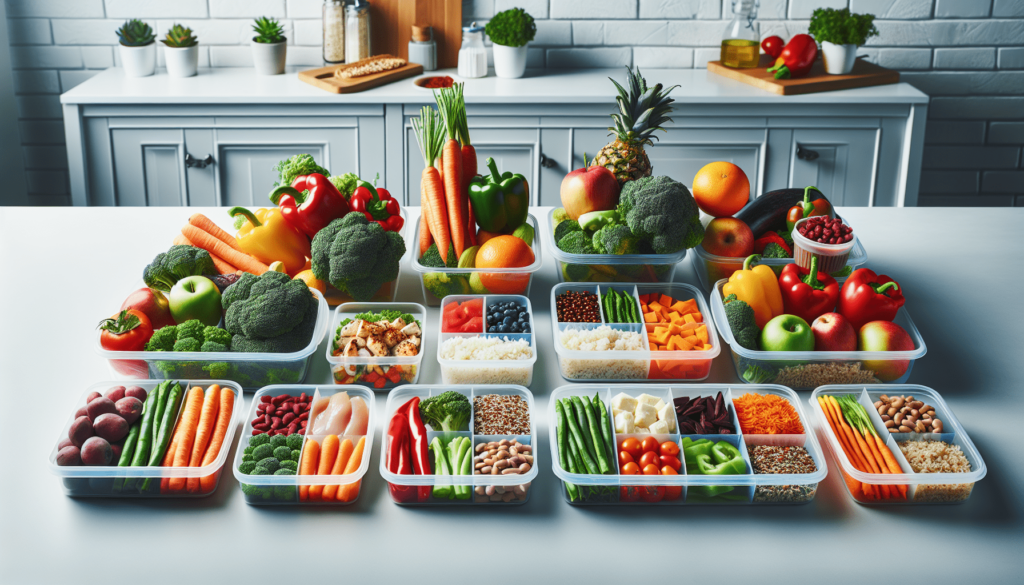
Ever wondered how to get started with meal planning when you’re new to a fitness journey? Embarking on a fitness regimen can be both exciting and a bit overwhelming, especially when it comes to figuring out what to eat. But worry not—meal planning doesn’t have to be complicated. With a few simple tips and some guidance, you can set yourself up for success.
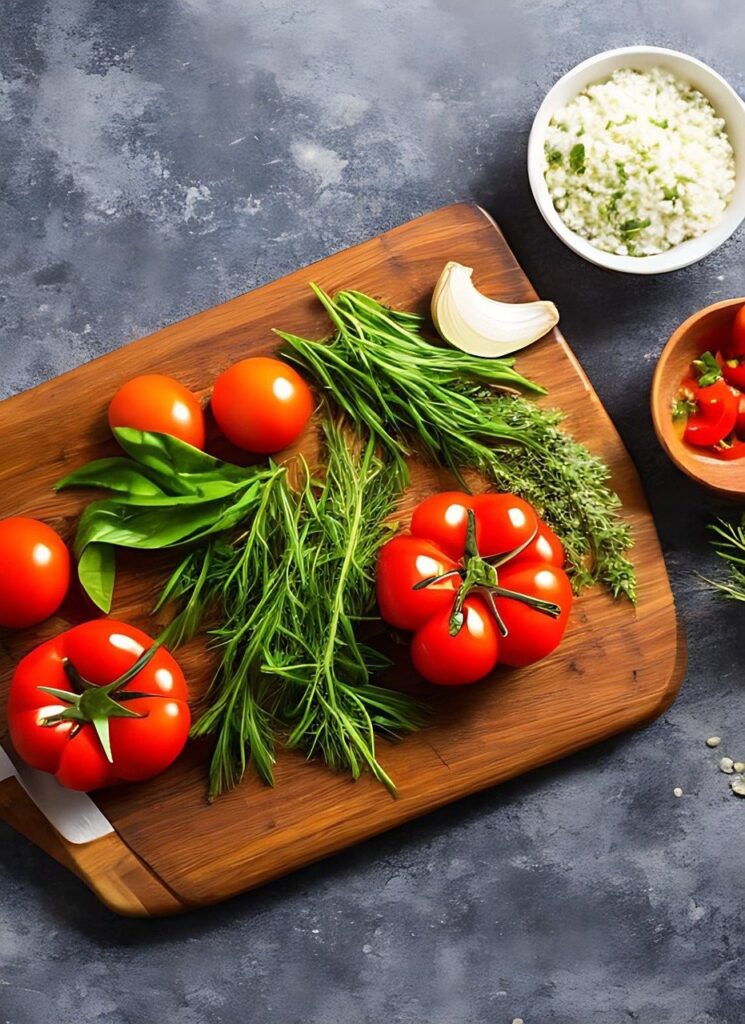
Understanding the Basics of Nutrition
Macronutrients
Macronutrients are the nutrients that your body needs in larger amounts to function optimally. They include proteins, carbohydrates, and fats.
- Proteins: Essential for muscle repair and growth. Sources include chicken, fish, tofu, beans, and dairy.
- Carbohydrates: Your body’s primary energy source. Opt for complex carbs like whole grains, vegetables, and fruits.
- Fats: Important for hormone production and nutrient absorption. Choose healthy fats such as avocados, nuts, seeds, and olive oil.
Micronutrients
Unlike macronutrients, micronutrients are needed in smaller amounts but are still crucial for various bodily functions. They include vitamins and minerals such as vitamin C, calcium, and iron.
Hydration
Water is fundamental. Staying hydrated aids in digestion, nutrient transportation, and temperature regulation. Aim for at least 8-10 glasses of water per day.
Setting Realistic Goals
Before diving into meal planning, establish what you hope to achieve with your fitness regimen. Whether it’s weight loss, muscle gain, or simply improving your overall health, having clear goals will guide your meal planning efforts.
Identifying Your Caloric Needs
Using the Harris-Benedict Equation or online calculators can help estimate your daily caloric requirements. Be mindful that these numbers are a starting point and may need adjustment based on your progress and how your body responds.
Portion Control
Understanding portion sizes can prevent overeating or undereating, which are common pitfalls. Using a food scale or measuring cups can be helpful until you get the hang of visual portioning.
Creating a Balanced Meal Plan
Meal Components
A well-rounded meal plan should include:
- Proteins: Diversify your protein sources to include both animal and plant-based options.
- Carbs: Incorporate a mix of high-fiber carbs like whole grains, vegetables, and fruits.
- Fats: Don’t shy away from fats; focus on healthy sources.
Sample Meal Plan
Here’s a basic meal plan template to get you started:
| Time | Meal | Example Foods |
|---|---|---|
| Breakfast | High-fiber | Oatmeal with berries and a scoop of protein powder |
| Mid-morning | Snack | Greek yogurt with a handful of almonds |
| Lunch | Balanced | Grilled chicken breast with quinoa and steamed broccoli |
| Afternoon | Snack | Apple slices with natural peanut butter |
| Dinner | Protein + Veg | Baked salmon with a side of mixed vegetables and brown rice |
| Evening | Snack (Optional) | Cottage cheese with sliced cucumber |
Meal Frequency
How often you eat can also influence your energy levels and hunger. Some prefer three large meals, while others do better with five to six smaller meals. Experiment to see what works best for you.
Grocery Shopping Tips
Make a List
A well-thought-out grocery list can make your shopping trip efficient and prevent impulse buys. Organize your list by sections of the store for ease.
Buy in Bulk
Items like grains, nuts, and frozen fruits/vegetables can be bought in larger quantities to save money and trips to the store.
Seasonal and Local
Opt for seasonal and local produce when possible. They’re often fresher and cheaper.
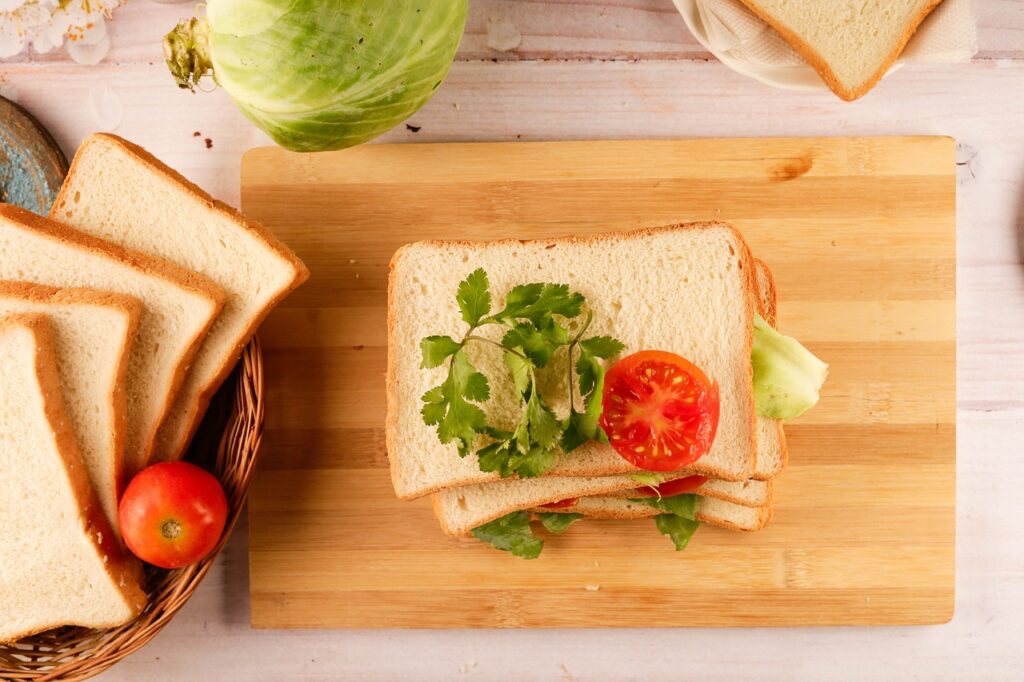
Meal Prep Strategies
Batch Cooking
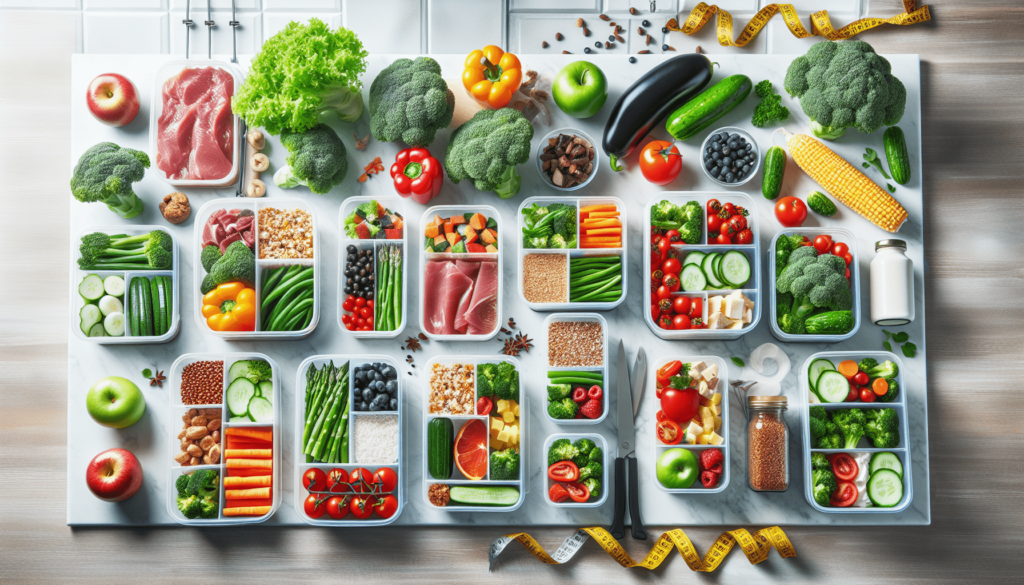
Batch cooking means preparing multiple portions of a single dish at once, then storing them for future meals. This technique saves time and ensures you have healthy meals ready to go.
Pre-cut Vegetables
Spending a bit of time chopping vegetables for the week can make meal prep quicker. Store them in airtight containers in the fridge.
Use Storage Wisely
Label your containers with the date and meal type. Consider using BPA-free containers or glass for storage.
Nutrient Timing
Pre-workout Meals
Eating a small meal or snack that includes carbs and a bit of protein about 30-60 minutes before your workout can fuel your exercise.
Post-workout Meals
After a workout, aim to eat a meal high in protein and carbs to aid muscle recovery and replenish glycogen stores.
Overcoming Common Challenges
Eating Out
When dining out, choose dishes that are grilled, baked, or steamed rather than fried. Don’t hesitate to ask for dressing on the side or substitutions to make your meal healthier.
Staying Consistent
Consistency is key. Setting reminders or planning meals for the week helps maintain your routine. Don’t be too hard on yourself if you slip up; just get back on track.
Monitoring Progress
Keep a Food Journal
Logging what you eat and how you feel can provide insights into your eating habits and how they impact your fitness journey.
Adjust as Needed
Your body will give you feedback. If you’re not seeing the results you aim for, don’t be afraid to tweak your meal plan.
Consulting a Professional
Dietitians and Nutritionists
Sometimes, working with a professional can provide personalized advice tailored to your specific needs and goals.
Conclusion
Meal planning for beginner fitness doesn’t have to be intimidating. With some foundational knowledge about nutrition, a few strategic planning tips, and a bit of organization, you’ll find that setting yourself up for success is easier than you thought. Remember, it’s all about balance, variety, and finding what works best for you. Enjoy the process and the benefits that come with it.