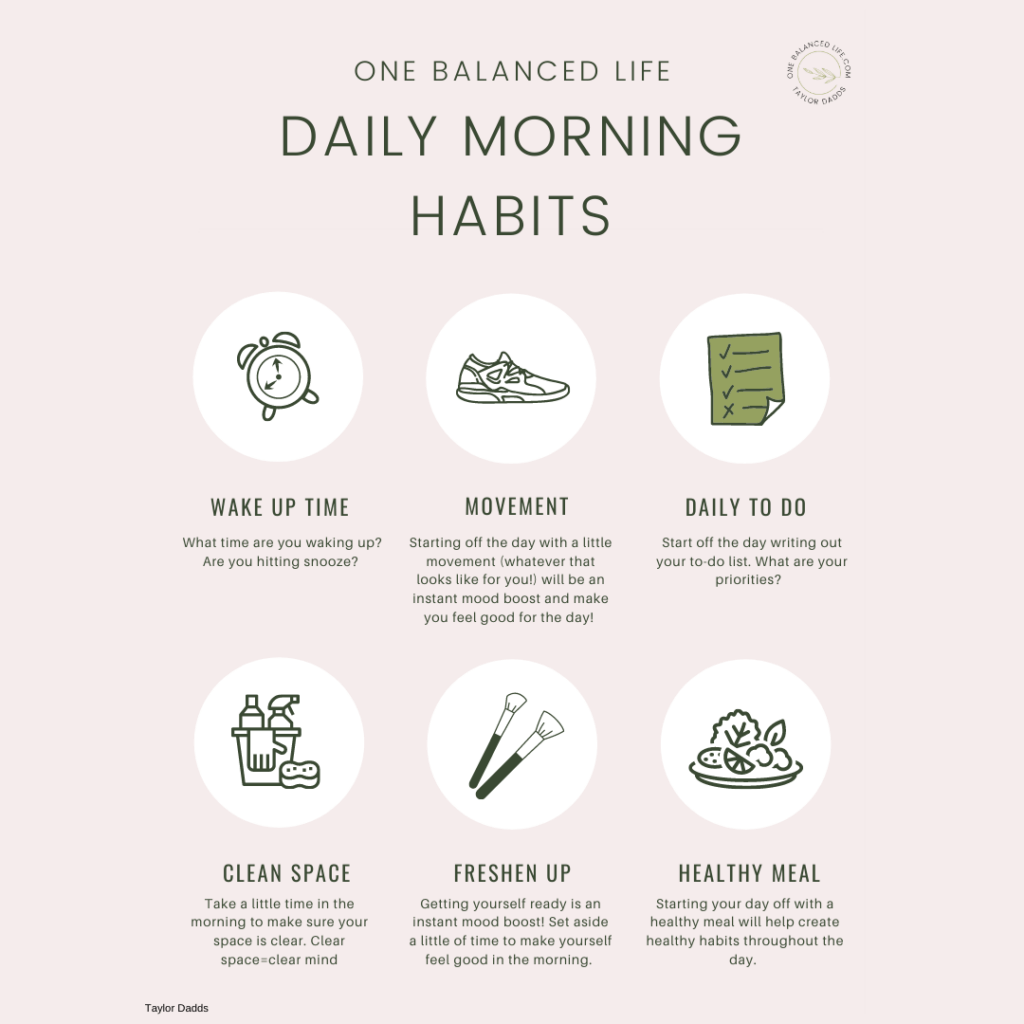
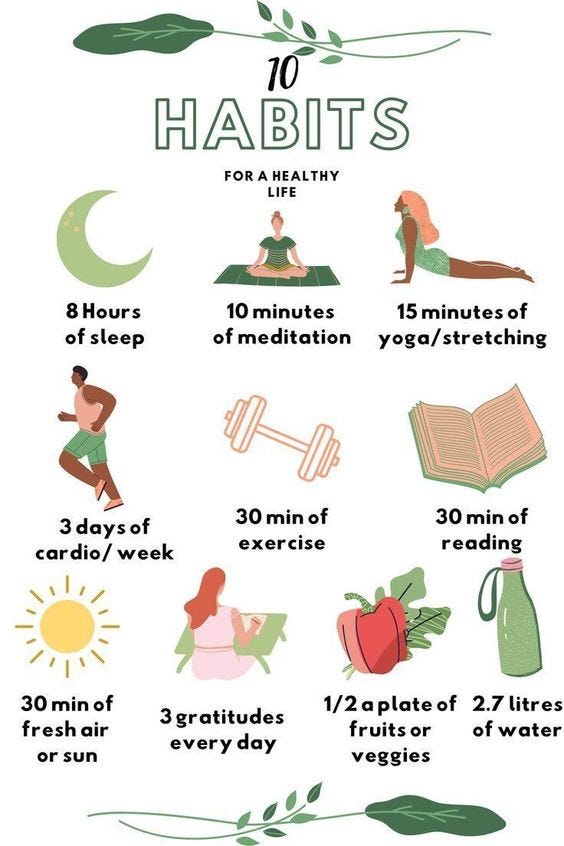
Have you recently thought about how to improve your daily routine for better health and well-being? Implementing simple yet effective habits can have a significant impact on your life. Here are ten healthy habits that you can start today to enjoy a healthier and happier life.
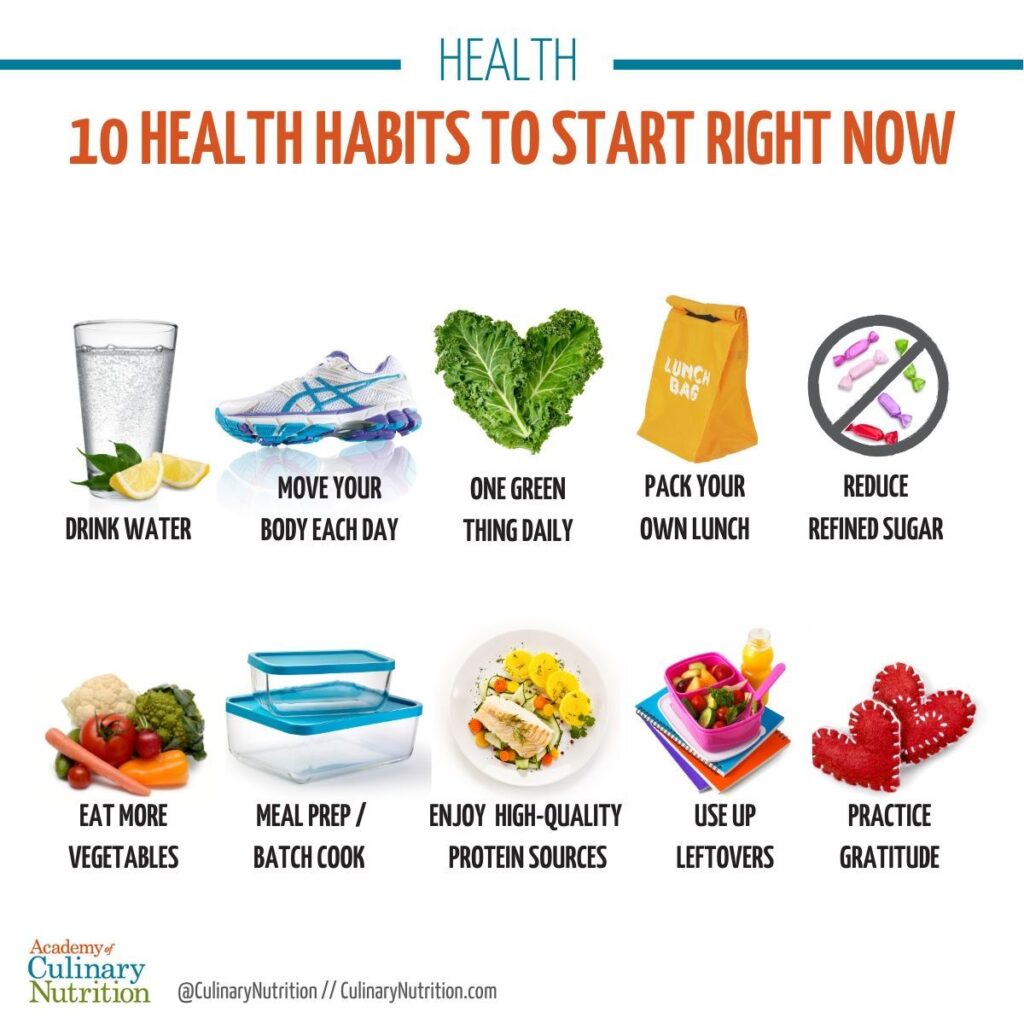
1. Prioritize Hydration
Proper hydration plays a crucial role in maintaining your body’s functions. Water helps in digestion, absorption, circulation, and even temperature regulation.
Importance of Staying Hydrated
Your body is composed of about 60% water. Ensuring you drink enough water daily helps in maintaining your energy levels, improving skin health, and flushing out toxins from your body.
How Much Water Should You Drink?
The amount of water you need can depend on various factors such as age, gender, weight, and activity level. However, a general guideline is to drink at least eight 8-ounce glasses of water a day, which equals about 2 liters or half a gallon.
| Age Group | Daily Water Intake Recommendation |
|---|---|
| Children | 1.7 liters (about 7 cups) |
| Teenagers | 2.4 liters (about 10 cups) |
| Adults | 3.7 liters (about 15 cups) |
Tips for Drinking More Water
- Carry a reusable water bottle with you.
- Set reminders on your phone to drink water.
- Flavor your water with fresh fruits or herbs.
2. Eat a Balanced Diet
A balanced diet consists of a variety of foods in the right proportions to provide all the essential nutrients your body needs.
Components of a Balanced Diet
Your diet should include a mix of macronutrients (carbohydrates, proteins, and fats) and micronutrients (vitamins and minerals).
| Nutrient | Sources |
|---|---|
| Carbohydrates | Fruits, vegetables, whole grains |
| Proteins | Lean meats, nuts, seeds, legumes |
| Fats | Avocado, olive oil, flaxseeds, nuts |
| Vitamins C & A | Citrus fruits, green leafy vegetables, carrots, eggs |
| Minerals | Dairy products for calcium, red meat for iron, bananas for potassium |
Benefits of Eating a Balanced Diet
Eating a balanced diet helps to:
- Maintain healthy body weight.
- Provide energy for daily activities.
- Reduce the risk of chronic diseases.
- Promote overall well-being.
Examples of Balanced Meals
- Breakfast: Greek yogurt with fruits and honey, whole-grain toast.
- Lunch: Grilled chicken breast, quinoa, mixed vegetables.
- Dinner: Baked salmon, brown rice, steamed broccoli.
3. Regular Physical Activity
Incorporating regular physical activity into your routine can help improve your overall health.
Recommended Physical Activity Levels
Experts recommend at least 150 minutes of moderate-intensity exercise or 75 minutes of vigorous-intensity exercise each week.
Types of Physical Activities
- Cardio: Running, biking, swimming.
- Strength Training: Lifting weights, resistance bands, body-weight exercises.
- Flexibility Exercises: Yoga, stretching routines, pilates.
Benefits of Regular Exercise
- Improves cardiovascular health.
- Enhances muscular strength and flexibility.
- Boosts mental health by reducing anxiety and depression.
- Aids in weight management.
4. Get Enough Sleep
Quality sleep is vital for your physical and mental health.
Importance of Quality Sleep
Sleep helps in repairing tissues, boosting the immune system, and consolidating memory.
How Much Sleep Do You Need?
The optimal sleep duration varies by age:
| Age Group | Recommended Hours of Sleep |
|---|---|
| Newborns | 14-17 hours |
| Children (3-5) | 10-13 hours |
| Teenagers | 8-10 hours |
| Adults | 7-9 hours |
Tips for Better Sleep
- Maintain a regular sleep schedule.
- Create a restful environment with limited distractions.
- Limit exposure to screens before bedtime.
- Avoid heavy meals and caffeine close to bedtime.
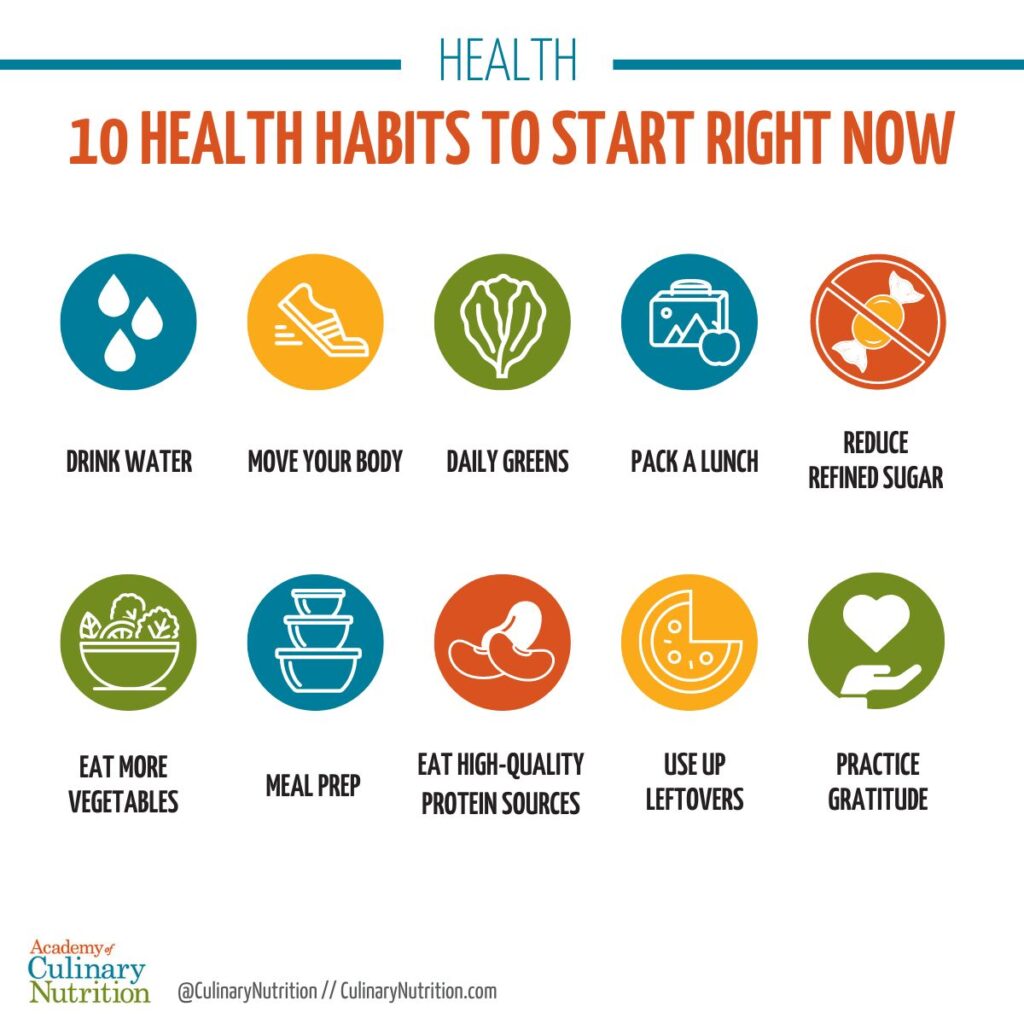
5. Practice Mindfulness and Stress Management
In today’s fast-paced world, stress can be a significant concern. Learning techniques to manage stress is essential for maintaining mental well-being.
Benefits of Mindfulness
Mindfulness can help in reducing stress, enhancing your mental clarity, and improving emotional regulation.
Techniques for Mindfulness
- Meditation: Spend a few minutes each day focusing on your breath.
- Deep Breathing Exercises: This can help calm your mind and reduce stress.
- Journaling: Writing down thoughts and feelings can help you process emotions.
Simple Stress-Relief Practices
- Take short breaks during the day to relax.
- Spend time in nature.
- Engage in hobbies that make you happy.
6. Develop a Skincare Routine
Healthy skin is an indicator of overall well-being. A daily skincare routine can help maintain your skin’s health.
Essentials of a Skincare Routine
- Cleansing: Use a gentle cleanser to remove dirt and impurities.
- Moisturizing: Keep your skin hydrated with a suitable moisturizer.
- Protection: Apply sunscreen to protect your skin from UV rays.
Benefits of a Skincare Routine
- Prevents premature aging.
- Reduces the risk of skin conditions.
- Improves skin texture and appearance.
Additional Skincare Tips
- Stay hydrated.
- Eat a diet rich in antioxidants and vitamins.
- Get enough sleep to allow skin to repair itself.
7. Build Social Connections
Strong social relationships can contribute to better health and a longer life.
Importance of Social Connections
Having a support system can help in managing stress, increasing your happiness, and improving your mental health.
Ways to Build Social Connections
- Join club activities or community groups.
- Volunteer for causes you care about.
- Maintain regular communication with friends and family.
- Attend social events or parties.
Benefits of Social Connections
- Provides emotional support.
- Increases sense of belonging and self-worth.
- Reduces feelings of loneliness.
- Enhances mental well-being.
8. Limit Alcohol and Avoid Smoking
Alcohol and smoking can have detrimental effects on your health. Limiting or avoiding them can significantly improve your well-being.
Harmful Effects of Alcohol Excess
- Liver damage.
- Increased risk of cardiovascular diseases.
- Impaired cognitive function.
Smoking and its Dangers
- Respiratory diseases.
- Increased risk of cancers.
- Reduced lung capacity.
Tips to Reduce Alcohol and Quit Smoking
- Seek support from health professionals.
- Substitute alcohol with non-alcoholic beverages.
- Join support groups or cessation programs.
- Set realistic and attainable goals.

9. Schedule Regular Health Check-ups
Routine health check-ups can help you stay ahead of potential health issues.
Benefits of Regular Check-ups
- Detect health conditions early.
- Monitor existing health conditions.
- Ensure vaccinations and screenings are up to date.
Common Health Screenings
| Age Group | Screenings |
|---|---|
| Children | Growth, development assessments |
| Adults | Blood pressure, cholesterol |
| Seniors | Bone density, vision, hearing |
How Often Should You Go?
It may vary based on age and medical history, but generally:
- Annually for routine physical exams.
- Every 3-5 years for cholesterol and blood pressure checks.
- As recommended for specialized screenings like mammograms or colonoscopies.
10. Practice Gratitude
Cultivating gratitude can lead to a happier and more fulfilling life by focusing on the positive aspects of your day.
How to Practice Gratitude
- Daily Gratitude Journal: Write down things you are grateful for each day.
- Express Gratitude: Thank people in your life regularly.
- Reflect on Positive Experiences: Spend time reflecting on happy moments in your life.
Benefits of Practicing Gratitude
- Enhances mental health.
- Improves relationships.
- Reduces stress and enhances well-being.
Gratitude Exercises
- Write thank you notes.
- Share what you’re grateful for with someone close.
- Meditate on things you appreciate in life.
By integrating these ten healthy habits into your lifestyle, you can enhance your physical, mental, and emotional well-being. Remember, consistency is key. Start small and gradually build up these habits for lasting change. Your health and happiness lie in the choices you make each day, so why not start today?