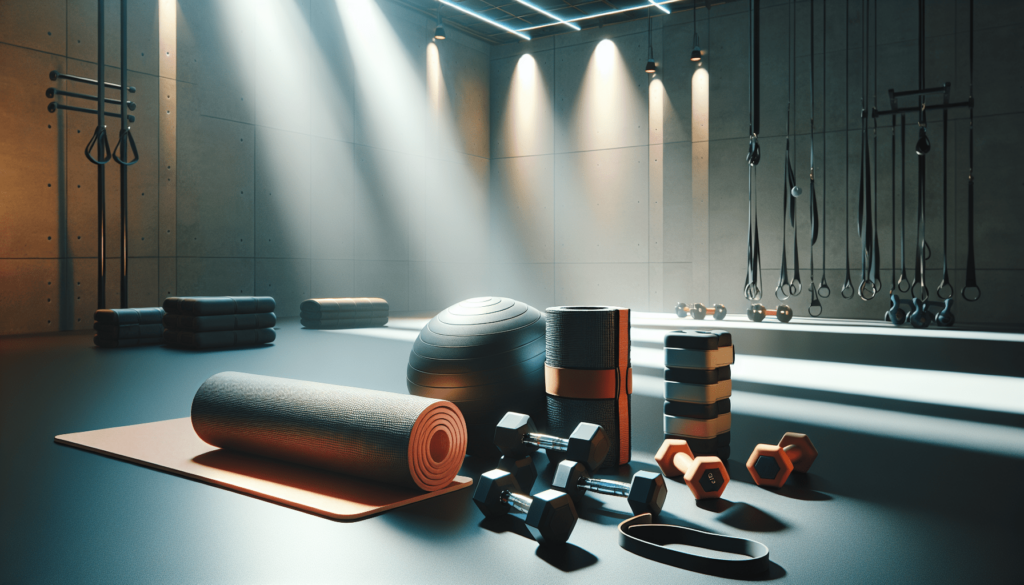
Have you ever wondered why warming up and cooling down are essential parts of your fitness routine? Whether you’re an experienced athlete or just starting your fitness journey, these two components shouldn’t be overlooked. Incorporating a proper warm-up and cool down not only enhances your performance but also helps prevent potential injuries. In this guide, you’ll learn how to efficiently use your fitness equipment to maximize these vital stages.
Why Warm Up and Cool Down?
Before diving into the specifics, let’s consider why warming up and cooling down matter so much.
The Importance of Warming Up
A warm-up gradually increases your heart rate and blood circulation to your muscles. This process makes your muscles more pliable and prepares your body for more strenuous activities. Additionally, a good warm-up can enhance your psychological readiness, helping you mentally prepare for the workout ahead.
The Significance of Cooling Down
Cooling down is equally crucial. After an intense workout, your body needs a phase to transition back to its normal state. This process aids in reducing muscle soreness and stiffness by gradually bringing your heart rate and blood pressure closer to resting levels. Moreover, it helps in the effective removal of metabolic waste products like lactic acid.
How to Warm Up with Fitness Equipment
Cardiovascular Machines
Cardio machines like treadmills, stationary bikes, and rowing machines can be excellent tools for warming up.
Treadmill
- Start Slow: Walk at a slow pace for 3 to 5 minutes.
- Gradual Incline or Speed Increase: Gradually increase the speed or incline to raise your heart rate.
- Dynamic Movement: Incorporate dynamic movements like high knees or slow jogging.
Stationary Bike
- Easy Pedaling: Start with easy pedaling at a low resistance for about 5 minutes.
- Increase Resistance: Gradually increase the resistance or speed.
- Position Changes: Alternate between sitting and standing positions on the bike.
Rowing Machine
- Light Rowing: Start with light rowing at a low resistance.
- Gradual Intensity Increase: Slowly increase the intensity over 5 to 10 minutes.
- Full Range of Motion: Focus on a full range of motion to engage different muscle groups.
Resistance Training Equipment
Warming up before resistance training requires activation and light weight work to prepare your muscles.
Dumbbells and Barbells
- Dynamic Stretches: Perform dynamic stretches like arm circles or leg swings.
- Light Sets: Do light sets of compound exercises like squats or bench presses with minimal weight.
- Repetitions: Aim for 2 to 3 sets of 10 to 15 repetitions.
Resistance Bands
- Band Pull-Aparts: This helps activate your shoulder and back muscles.
- Band Squats: Excellent for activating your legs and glutes.
- Repetitions: Perform 2 to 3 sets of 10 to 15 reps.
| Equipment | Warm-Up Duration | Key Actions |
|---|---|---|
| Treadmill | 5-10 minutes | Start slow, increase speed/incline |
| Stationary Bike | 5-10 minutes | Easy pedaling, increase resistance |
| Rowing Machine | 5-10 minutes | Light rowing, increase intensity |
| Dumbbells/Barbells | 5-10 minutes | Light sets, dynamic stretches |
| Resistance Bands | 5-10 minutes | Light resistance exercises |
How to Cool Down with Fitness Equipment
Cardiovascular Machines
Cardio machines are also beneficial for cooling down.
Treadmill
- Decrease Speed: Gradually reduce the speed to a slow walk.
- Flat Surface: Keep the incline flat.
- Walking: Continue walking at a slow pace for about 5 to 10 minutes.
Stationary Bike
- Reduce Intensity: Gradually lower the resistance.
- Slow Pedaling: Pedal at a slower pace for 5 to 10 minutes.
- Steady Rhythm: Maintain a steady, comfortable rhythm.
Rowing Machine
- Light Rowing: Reduce intensity and row slowly.
- Full Motion: Maintain a full range of movement.
- Duration: Cool down for 5 to 10 minutes.
Flexibility Equipment
Flexibility equipment can further aid in proper muscle relaxation and recovery.
Foam Roller
- Target Areas: Focus on major muscle groups like thighs, calves, and back.
- Slow Movement: Roll slowly to massage and decompress muscles.
- Duration: Spend 1-2 minutes on each muscle group.
Stability Ball
- Stretching: Use the stability ball for deep stretches.
- Focus Areas: Target your back, hamstrings, and shoulders.
- Hold Stretches: Hold each stretch for 15-30 seconds.
Static Stretches
After using the machines, static stretching is essential for elongating muscles.
- Quadriceps Stretch: Hold your ankle and pull it towards your glute.
- Hamstring Stretch: Reach for your toes while keeping your legs straight.
- Shoulder Stretch: Pull your arm across your chest.
| Equipment | Cool Down Duration | Key Actions |
|---|---|---|
| Treadmill | 5-10 minutes | Decrease speed, flat surface walking |
| Stationary Bike | 5-10 minutes | Reduce intensity, slow pedaling |
| Rowing Machine | 5-10 minutes | Light rowing, maintain full motion |
| Foam Roller | 5-10 minutes | Target muscle groups, slow rolling |
| Stability Ball | 5-10 minutes | Deep stretches, focus areas |
| No equipment | 5-10 minutes | Static stretches for major muscle groups |
Combining Warm-Up and Cool Down Protocols
The process for both warming up and cooling down can be personalized to fit your unique fitness goals and current physical condition.
For Runners
- Warm-Up: Start with a brisk walk on the treadmill, followed by dynamic leg swings and lunges.
- Cool Down: Gradually reduce your running speed to a walk, followed by calf and thigh stretches.
For Lifters
- Warm-Up: Utilize resistance bands for activation exercises like band pull-aparts and bodyweight squats.
- Cool Down: Complete your session with light cardio (like an easy spin on a stationary bike) and foam rolling for muscle relaxation.
For Cyclists
- Warm-Up: Begin at a moderate resistance and pace on the stationary bike, followed by leg stretches.
- Cool Down: Transition to easy pedaling with low resistance, followed by hamstring and hip flexor stretches.
Common Mistakes and How to Avoid Them
Skipping the Warm-Up or Cool Down
Neglecting these phases can lead to muscle stiffness and greater risk of injury.
- Solution: Set aside at least 10 minutes at the beginning and end of your workout for proper warm-up and cool down.
Rushing Through the Motion
Fast and hurried movements can do more harm than good.
- Solution: Take your time. Ensure gradual increases in intensity during warm-ups and gradual decreases during cool-downs.
Using Incorrect Form
Incorrect form can negate the benefits of warm-ups and cool-downs.
- Solution: Consult with a trainer to ensure you’re using the correct techniques.
Conclusion
Developing a comprehensive warm-up and cool down routine tailored to your fitness needs is essential. Not only does it prepare your body for the effort ahead, but it also aids in recovery, setting you up for long-term success. By focusing on these often-overlooked stages, you can optimize your workouts, prevent injuries, and improve overall performance. So go ahead, integrate these steps into your fitness routine and reap the numerous benefits that come along with it.