
Have you ever wondered how a well-rounded diet can significantly improve your overall well-being? It’s more than just counting calories or avoiding certain foods. A balanced diet involves a diverse range of nutrients that fuel your body, enhance mental clarity, and even boost emotional health.

Introduction to a Well-Rounded Diet
When we talk about a well-rounded diet, we are referring to a nutritional approach that includes a variety of food groups, offering a broad spectrum of essential nutrients. This approach does not just focus on macronutrients like carbohydrates, proteins, and fats but also emphasizes the importance of vitamins, minerals, and other micronutrients.
What Constitutes a Well-Rounded Diet?
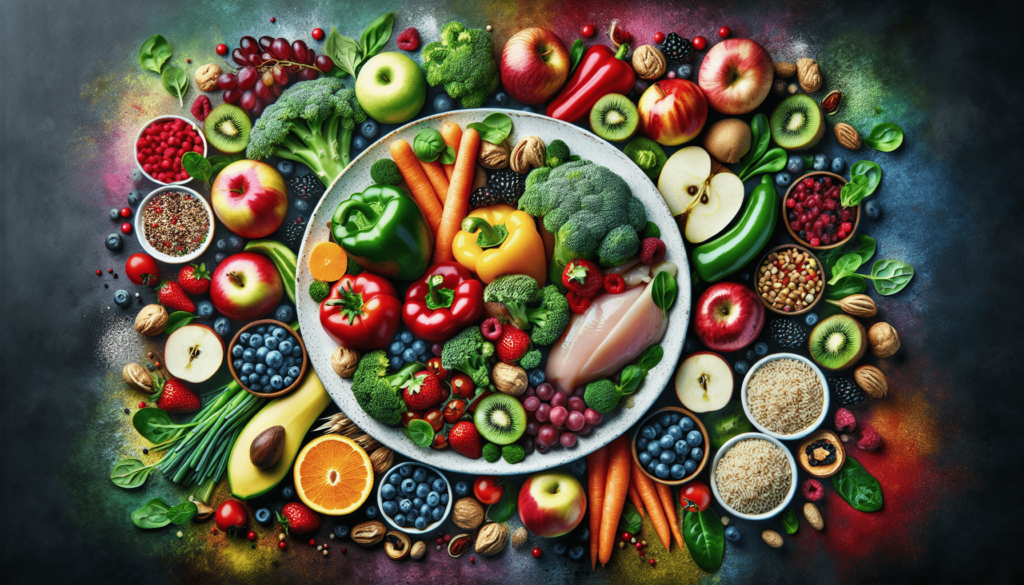
A well-rounded diet includes fruits, vegetables, whole grains, lean proteins, and healthy fats. Each of these food groups plays a crucial role in maintaining your body’s homeostasis.
| Food Group | Essential Nutrients | Examples |
|---|---|---|
| Fruits and Vegetables | Vitamins A, C, E, fiber, antioxidants | Apples, spinach, carrots |
| Whole Grains | Fiber, B vitamins, iron | Brown rice, oats, whole-wheat pasta |
| Lean Proteins | Proteins, B vitamins, iron, zinc | Chicken, tofu, beans |
| Healthy Fats | Omega-3, Omega-6 fatty acids | Avocado, nuts, olive oil |
Physical Benefits
Enhanced Energy Levels
Consuming a balanced diet ensures you receive adequate energy. Whole grains and lean proteins provide sustained energy throughout the day, preventing the sudden drops in blood sugar often associated with high-sugar or highly processed foods.
Improved Digestion
Fibrous foods such as fruits, vegetables, and whole grains aid in digestion and help maintain a healthy gut. Fiber helps in smooth bowel movements and prevents constipation.
Strengthened Immune System
A balanced diet rich in vitamins and minerals helps fortify your immune system. Vitamin C from citrus fruits, Vitamin E from nuts, and zinc from lean meats play pivotal roles in defending against illnesses.
Optimal Weight Management
Balanced diets help prevent excessive weight gain and obesity by providing all essential nutrients without the need to overeat. Whole foods are generally more filling, which helps in controlling appetite.

Mental Health and Cognitive Function
Boosted Brain Function
Certain nutrients like Omega-3 fatty acids, found in fish and flaxseeds, enhance brain function. These nutrients are crucial for neurodevelopment and cognitive performance.
Mood Improvement
Foods rich in complex carbohydrates, like whole grains, help in the production of serotonin, a neurotransmitter that positively affects mood. Moreover, deficiencies in certain nutrients such as Vitamin B12 and iron, prevalent in vegetarians and vegans, can lead to mood disturbances, making a balanced diet essential.
Emotional Well-being
Reduced Stress Levels
Magnesium, abundant in foods like dark chocolate and leafy greens, helps regulate stress hormones. A balanced diet aids in maintaining hormone balance, thereby reducing stress and anxiety.
Better Sleep
Foods rich in tryptophan, such as turkey and almonds, are precursors to melatonin, the hormone responsible for sleep. A balanced diet can contribute to improved sleep patterns.

Long-Term Health Benefits
Reduced Risk of Chronic Diseases
A diet balanced in fruits, vegetables, whole grains, and lean proteins can significantly reduce the risk of chronic diseases such as heart disease, diabetes, and certain cancers. For example:
- Heart Health: Omega-3 fatty acids found in fatty fish improve cardiovascular health.
- Diabetes Prevention: Fiber-rich foods help maintain steady blood sugar levels, reducing the risk of type 2 diabetes.
- Cancer Prevention: Antioxidants from brightly colored fruits and vegetables have been shown to reduce the risk of various cancers.
Longevity
Studies have indicated that a balanced diet can contribute to a longer lifespan. Diets rich in processed foods and poor in essential nutrients can accelerate aging and increase the risk of age-related ailments.
Practical Tips for Maintaining a Well-Rounded Diet
Meal Planning
Planning your meals in advance can help you incorporate a wider variety of food groups into your diet.
- Weekly Shopping List: Create a list of ingredients for your planned meals to avoid impulse buys of less nutritious options.
- Batch Cooking: Prepare large quantities of meals and store them in portions to ensure you always have access to balanced meals.
Portion Control
Using smaller plates, measuring serving sizes, and avoiding eating straight from packaging can help you maintain portion control.
Mindful Eating
Being mindful of what you eat, savoring each bite, and listening to your body’s hunger and fullness cues can improve your eating habits.
Staying Hydrated
Drinking enough water throughout the day is crucial for digestion, nutrient absorption, and overall health.
Addressing Common Dietary Challenges
Dealing with Picky Eaters
If you or a family member is a picky eater, try to incorporate variety subtly. For instance, blend vegetables into sauces or try new recipes that make healthy foods more palatable.
Managing Dietary Restrictions
Whether it’s due to allergies, intolerances, or personal choices, managing dietary restrictions requires creativity:
- Substitutions: Explore alternative ingredients like almond milk for dairy, or quinoa for gluten-containing grains.
- Consulting Experts: Nutritional experts can provide valuable guidance tailored to specific needs or restrictions.
Budget Constraints
Eating a balanced diet on a budget is possible with careful planning:
- Buying in Bulk: Whole grains, legumes, and frozen vegetables can be bought in bulk for long-term savings.
- Seasonal Shopping: Purchase fruits and vegetables in season for better prices and quality.
The Role of Supplements
When Are Supplements Necessary?
While a well-rounded diet should provide most of your nutritional needs, certain conditions might require supplements. For example, vitamin D supplements are often recommended for those living in areas with little sunlight.
Choosing the Right Supplements
Always consult with a healthcare provider before starting any supplements to ensure they’re necessary and safe for you.

Personalizing Your Diet
Understanding Your Body’s Needs
Everyone’s nutritional requirements differ based on age, gender, activity level, and health conditions. Understanding your body’s specific needs can help tailor a balanced diet that works best for you.
Keeping a Food Diary
Maintaining a food diary can be helpful in identifying gaps or excesses in your diet, allowing you to make more informed nutritional choices.
Regular Check-ups
Regular medical check-ups and blood tests can reveal nutrient deficiencies or other health issues, helping you adjust your diet accordingly.
Conclusion
Incorporating a well-rounded diet into your daily routine offers a multitude of benefits for your physical, mental, and emotional well-being. With practical tips, mindful eating practices, and more informed choices, you can achieve a balanced diet that supports your overall health. Remember, it’s not just about what you eat but how you eat that can make a significant difference in your well-being.
So, are you ready to make your diet well-rounded? The journey to improved health starts with the simple step of choosing diverse, nutrient-rich foods for a balanced plate.