
Have you ever wondered how you can strengthen your heart through workouts? Cardiovascular exercise, often referred to simply as cardio, is one of the most effective ways to boost your heart health. There’s no one-size-fits-all approach, and different routines can offer a variety of benefits. Understanding which workouts are best suited for your needs can drastically improve not just your heart but your overall health.
What is Cardiovascular Exercise?
Cardiovascular exercise is any activity that raises your heart rate and pumps oxygen throughout your body. It involves repetitive movement of large muscle groups, which increase your heart rate and force your lungs to work harder. This can include running, swimming, cycling, rowing, or even dancing.
Benefits of Cardiovascular Exercise
Cardio provides several health benefits beyond just a stronger heart. It can help you lose weight, reduce stress, and improve lung capacity. Additionally, regular cardiovascular exercise can lower the risk of chronic conditions such as diabetes and high blood pressure.
How Much Cardio Do You Need?
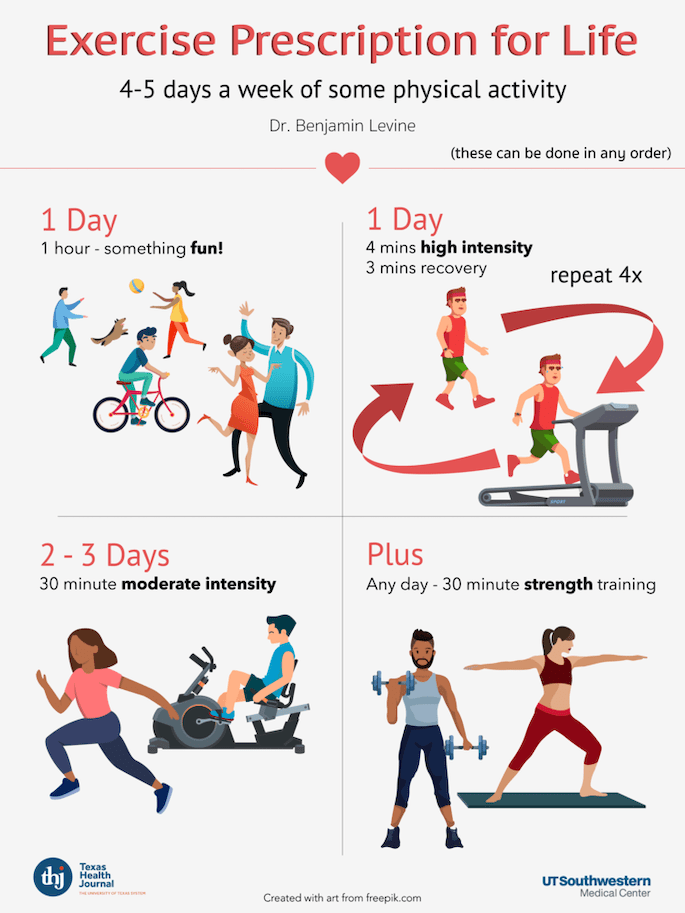
The American Heart Association recommends at least 150 minutes of moderate-intensity aerobic activity or 75 minutes of vigorous activity each week. Breaking this down, it would mean roughly 30 minutes of aerobic activity five days a week. Remember, it’s always beneficial to consult with your healthcare provider before starting any new exercise routine.
Types of Cardio Workouts
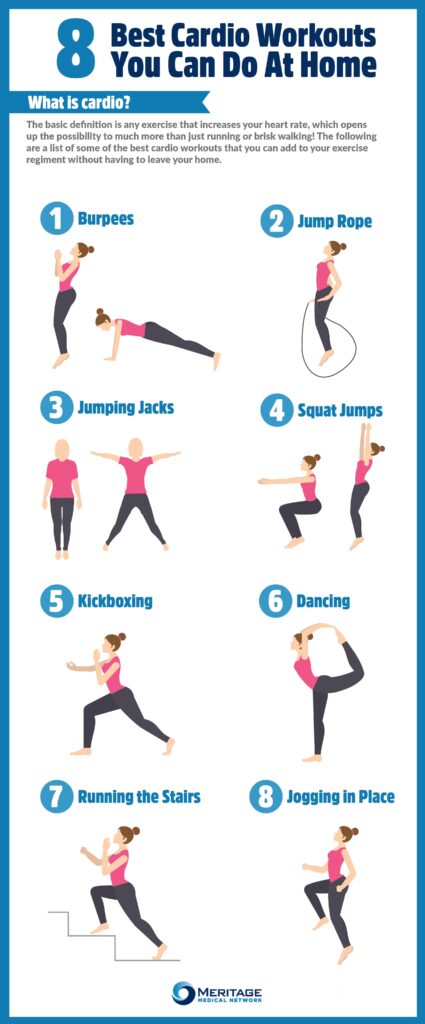
The good news is that there are numerous types of cardio workouts to choose from, each with unique benefits. Here, we’ll explore a variety of cardio exercises that you can incorporate into your routine.
Running and Jogging
Running is one of the most straightforward forms of cardio. It requires no special equipment other than a good pair of running shoes. Jogging, a less intense form of running, is also highly effective.
Benefits:
- Improves cardiovascular capacity
- Burns significant calories
- Strengthens leg muscles
Tips for Beginners:
- Start slow and gradually increase your pace.
- Make sure you are using proper running shoes to avoid injury.
- Incorporate rest days to prevent overuse injuries.
Cycling
Cycling can be done outdoors on a bike or indoors on a stationary bike. It’s a low-impact exercise, making it ideal for those who have joint issues.
Benefits:
- Low-impact and easy on the joints
- Can be done at varying levels of intensity
- Strengthens the lower body
Tips for Beginners:
- Adjust the bike to fit your body properly to avoid discomfort.
- Start with shorter rides and gradually increase the distance.
- Hydrate adequately, especially on long rides.
Swimming
Swimming provides a full-body workout and is excellent for those who need low-impact exercises due to joint problems.
Benefits:
- Works all major muscle groups
- Low-impact and gentle on joints
- Improves lung capacity
Tips for Beginners:
- Consider taking lessons if you are not a proficient swimmer.
- Start with shorter swim sessions and gradually extend your time.
- Use proper gear, such as goggles and swim caps, for an efficient workout.
Brisk Walking
Walking is the simplest and most accessible form of cardio exercise. It requires no equipment and can be done anywhere.
Benefits:
- Low-risk and low-impact
- Can be easily incorporated into your daily routine
- Helps in weight management
Tips for Beginners:
- Aim for at least 30 minutes of brisk walking most days of the week.
- Use comfortable walking shoes with good arch support.
- Increase your walking intensity by incorporating hills or varying your speed.
High-Intensity Interval Training (HIIT)
HIIT involves alternating short bursts of intense activity with rest or low-intensity activity. It’s a time-efficient way to get a good workout.
Benefits:
- Burns a lot of calories in a short amount of time
- Boosts metabolism
- Can be done with various exercises
Tips for Beginners:
- Start with a 1:2 or 1:3 ratio of work to rest (e.g., 30 seconds of sprinting followed by 60-90 seconds of walking).
- Ensure you warm up before starting a HIIT session.
- Monitor your intensity levels to avoid overtraining.
Rowing
Rowing machines provide an excellent full-body workout. It’s a low-impact exercise that effectively improves cardiovascular fitness.
Benefits:
- Low-impact, reducing stress on joints
- Targets multiple muscle groups, including legs, core, and arms
- Enhances both strength and endurance
Tips for Beginners:
- Focus on proper form to avoid injury.
- Start with shorter sessions to build endurance.
- Ensure the resistance setting is appropriate for your fitness level.
Integrating Cardio Into Your Routine
Now that you know the types of cardio exercises, let’s discuss how to integrate them into your life effectively.
Creating a Balanced Schedule
A balanced exercise routine will include various forms of cardio to keep you motivated and prevent monotony. Here’s a sample weekly schedule:
| Day | Activity | Duration/Intensity |
|---|---|---|
| Monday | Running | 30 minutes, moderate |
| Tuesday | Swimming | 30 minutes, moderate |
| Wednesday | HIIT | 20 minutes, high |
| Thursday | Brisk Walking | 30 minutes, moderate |
| Friday | Cycling | 40 minutes, moderate |
| Saturday | Rowing | 30 minutes, moderate to high |
| Sunday | Rest or Light Yoga | Relaxation and recovery |
Listening to Your Body
It’s essential to listen to your body while exercising. Pushing yourself too hard can lead to injury, while not challenging yourself enough may hinder progress.
Recovery and Rest
Rest is crucial for muscle recovery and overall health. Incorporating rest days will allow your muscles to repair and grow stronger. Light activities such as yoga or stretching can also be beneficial during rest days.
Nutrition and Hydration
Fueling your body properly will ensure that your cardiovascular exercises are effective and sustainable.
Pre-Workout Nutrition
Eating the right foods before a workout can significantly impact your performance. Aim for a small meal or snack rich in carbohydrates and moderate in protein about 1-2 hours before exercising.
Example Meal:
- A banana with a handful of almonds
- Greek yogurt with mixed berries
- A small bowl of oatmeal with a dollop of peanut butter
Post-Workout Nutrition
Post-workout nutrition is all about recovery. Consuming a balanced meal with protein, carbs, and healthy fats within 2 hours of your workout can help refuel your body and repair muscle tissues.
Example Meal:
- Grilled chicken with quinoa and steamed vegetables
- A smoothie made with protein powder, spinach, and an apple
- Whole-grain toast topped with avocado and a boiled egg
Hydration
Staying hydrated is equally important. Drink water before, during, and after workouts to maintain fluid balance. Consider electrolyte drinks for lengthy or highly intense workouts.
Monitoring Progress
Keeping track of your progress can keep you motivated and help you adjust your routine as needed.
Use a Fitness Tracker
A fitness tracker can monitor various metrics such as heart rate, distance covered, and calories burned, giving you real-time feedback on your workouts.
Keep an Exercise Journal
Writing down your activities, duration, and how you feel can help you track improvements and identify areas that need adjustment.
Periodic Assessments
Every few weeks, perform a self-assessment to measure your progress. This can include checking your resting heart rate, performing a fitness test, or simply noting how you feel during workouts compared to when you started.
Common Mistakes to Avoid
Being aware of common mistakes can make your cardio sessions more effective and reduce the risk of injury.
Skipping Warm-Up
A proper warm-up prepares your body for exercise by gradually increasing your heart rate and loosening up your muscles. Consider a 5-10 minute warm-up with activities like brisk walking or light jogging.
Overtraining
While consistency is key, overtraining can lead to burnout and injuries. Pay attention to signs of overtraining such as persistent fatigue, decreased performance, and mood swings.
Ignoring Pain
While some discomfort is common, especially if you’re pushing your limits, sharp or persistent pain is a red flag. Listening to your body and addressing pain immediately can prevent long-term damage.
Conclusion
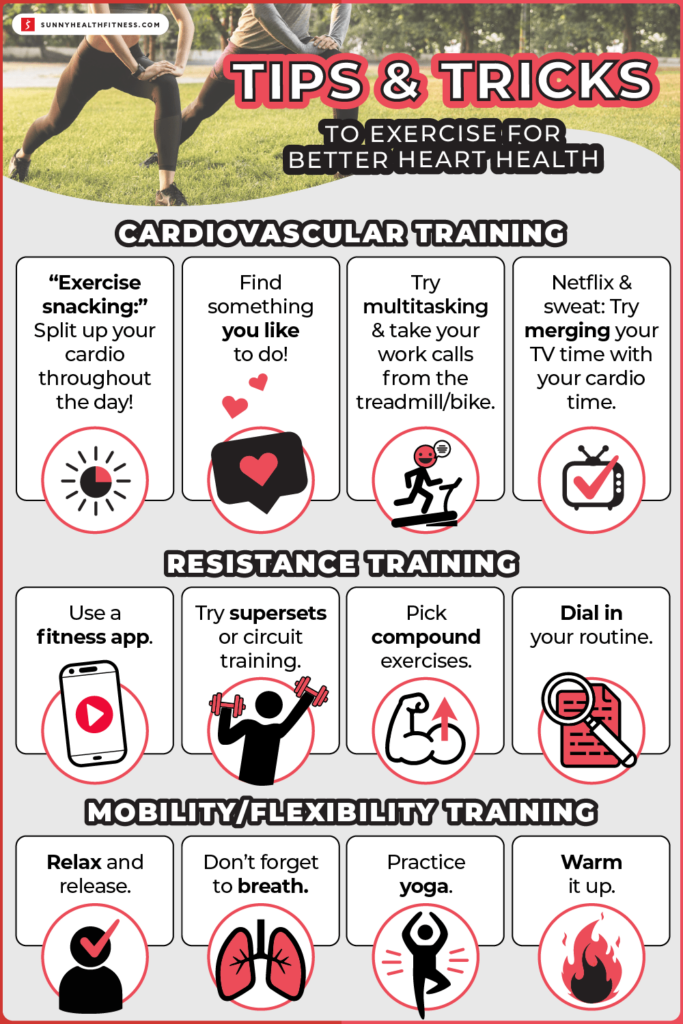
Incorporating a variety of cardiovascular exercises into your routine can significantly improve your heart health, overall fitness, and well-being. Whether you prefer running, swimming, cycling, or HIIT, the key is to stay consistent, listen to your body, and enjoy the process. With the right approach, you can strengthen your heart and live a healthier, more active life.