
Guide To Selecting The Right Yoga Mat For Your Practice
Have you ever wondered how to choose the right yoga mat for your practice? With so many options available, it can be overwhelming to navigate the sea of choices and select the one that perfectly fits your needs. Whether you’re a beginner or a seasoned yogi, the right yoga mat can significantly impact your practice, comfort, and overall experience. In this guide, we’ll walk you through everything you need to know to make an informed decision.
Understanding the Different Types of Yoga Mats
Material
The first thing to consider when selecting a yoga mat is the material. Different materials offer various levels of grip, comfort, and durability.
- PVC (Polyvinyl Chloride): Known for its durability and sticky texture, which provides good grip. However, it’s not the most environmentally friendly option.
- TPE (Thermoplastic Elastomer): A more eco-friendly option compared to PVC. It offers good grip and is often lightweight and easy to clean.
- Natural Rubber: Provides excellent grip and cushioning. It is biodegradable but can be a bit heavier and costlier than synthetic materials.
- Cotton: These mats are very eco-friendly and offer a natural texture. They’re usually used on top of another mat to add more cushioning.
- Jute: Another eco-friendly option, jute mats offer good grip and a unique texture. They are also biodegradable.
Thickness
The thickness of your yoga mat plays a crucial role in your comfort and stability during practice. Here’s a breakdown of common thickness options:
- 1/16 inch (1.5 mm): Ultra-thin mats, often termed as “travel yoga mats,” are very portable and lightweight, perfect for yogis who are always on the go.
- 1/8 inch (3 mm): The standard thickness, offering a good balance of portability and cushioning. Ideal for most users.
- 1/4 inch (6 mm): Thicker mats provide extra cushioning and are great for people who prefer more joint support or have specific preferences for comfort.
| Thickness | Thickness in mm | Description | Best For |
|---|---|---|---|
| 1/16 inch | 1.5 mm | Ultra-thin, lightweight | Travelling yogis |
| 1/8 inch | 3 mm | Standard balance | General use |
| 1/4 inch | 6 mm | Extra cushioning | Those needing additional joint support |
Texture and Stickiness
The texture and stickiness of a yoga mat affect the grip. This is vital for poses where stability is essential.
- Smooth Mats: Provide a sleek, uninterrupted surface. Best for gentle yoga practices but can be slippery when sweaty.
- Textured Mats: Offer a different tactile experience and help prevent slipping, which is beneficial for hot yoga or vigorous practices.
- Sticky Mats: Typically made from PVC, these mats provide excellent grip, ensuring your hands and feet stay in place.
Size
Ensuring your mat is the right size for your body and practice style is essential. Most standard mats are 68 inches long and 24 inches wide, but if you’re taller or require more space, longer or wider mats are available.
Density
The density of your yoga mat impacts its durability and comfort. High-density mats often provide better support and lifespan but can be heavier. Low-density mats may wear out quickly but can be more comfortable and lighter for transport.
Choosing Based on Your Practice Style
Different types of yoga practices may benefit from different types of mats. Here’s how to match your mat to your style.
Hatha and Vinyasa Yoga
For these common styles, which involve a series of poses and transitions, you’ll want a mat that provides a good balance of cushioning and grip. Standard mats (1/8 inch) with moderate texture and stickiness work well.
Ashtanga and Power Yoga
These vigorous styles require mats with excellent grip to maintain poses and transitions without slipping. You might prefer a textured or sticky mat with even more durability to withstand frequent practice.
Bikram and Hot Yoga
In a hot yoga class, you’ll be sweating a lot. Choose a mat that can handle moisture without becoming slippery. A natural rubber mat with a towel on top can be a good option, or you can go for mats specifically designed for hot yoga.
Restorative and Yin Yoga
These gentler styles focus on holding poses for longer periods, requiring more cushioning for comfort. A thicker mat (1/4 inch) would provide the necessary support and comfort for your joints.
Traveling Yogi
If you’re always on the move, a lightweight, foldable mat that’s easy to transport is ideal. Ultra-thin mats (1/16 inch) are perfect for this purpose.
Factors Affecting Comfort and Durability
Cushioning
Cushioning is crucial for comfort, especially if you practice on hard surfaces. It helps protect your joints and enhance relaxation during poses. The material and thickness largely determine the level of cushioning a mat provides.
Durability
Durability depends on the material and density of the mat. High-quality PVC mats and natural rubber mats tend to last longer. If you avoid putting them under direct sunlight and clean them properly, they can serve you well for years.
Maintenance
Your yoga mat’s maintenance will depend on the material. Some mats are easier to clean and require minimal upkeep, while others may need more frequent and meticulous cleaning to maintain their grip and texture.
- PVC and TPE Mats: Generally easy to clean with a damp cloth and mild detergent.
- Natural Rubber Mats: May require specific mat cleaning products to avoid degrading the material.
- Cotton and Jute Mats: Often machine washable but may take longer to dry.
Eco-friendliness and Sustainability
Environmentally Friendly Materials
If you’re concerned about the environmental impact of your mat, opt for materials like natural rubber, cotton, or jute. These materials are biodegradable and involve less harmful processing techniques compared to synthetic options like PVC.
Manufacturing Practices
Consider the brand’s manufacturing practices. Some brands are committed to ethical labor practices and sustainable production methods, which can make a significant difference in your decision.
Certifications
Look for mats with certifications indicating environmental responsibility. For instance, OEKO-TEX ensures the mat is free from harmful substances, and GREENGUARD certification indicates low chemical emissions.
Budget and Brand Considerations
Budget Range
Yoga mats come in a range of prices, from budget-friendly options to high-end models. Here’s a basic breakdown of what you might expect:
| Price Range | Quality/Features |
|---|---|
| Under $20 | Basic mats with minimal features; suitable for beginners or occasional use |
| $20 – $50 | Good balance of quality and features, suitable for regular use |
| $50 – $100 | High-quality materials, better durability, and more advanced features |
| Over $100 | Premium mats with top-notch eco-friendly materials and superior durability |
Popular Brands
Several reputable brands offer high-quality yoga mats. Here’s a quick overview:
- Manduka: Known for durable, high-density mats ideal for frequent practice.
- Liforme: Offers eco-friendly mats with excellent grip and alignment guides.
- JadeYoga: Specializes in natural rubber mats with a focus on sustainability.
- Gaiam: Provides a variety of budget-friendly options with attractive designs.
- Alo Yoga: Offers stylish, high-performance mats often favored by influencers.
How to Test a Yoga Mat
In-Store Testing
Visiting a store allows you to touch and feel the mat before making a decision. Here’s what to check:
- Touch and Feel: Assess the texture and stickiness.
- Cushioning: Try a few poses to test support and comfort.
- Size: Ensure it’s spacious enough for your practice.
Online Shopping
If you prefer online shopping, read reviews to get a sense of the mat’s real-world performance. Many websites offer detailed user feedback that can guide your decision. Some brands also offer return policies if the mat isn’t suitable.
Special Features to Look for
Alignment Guides
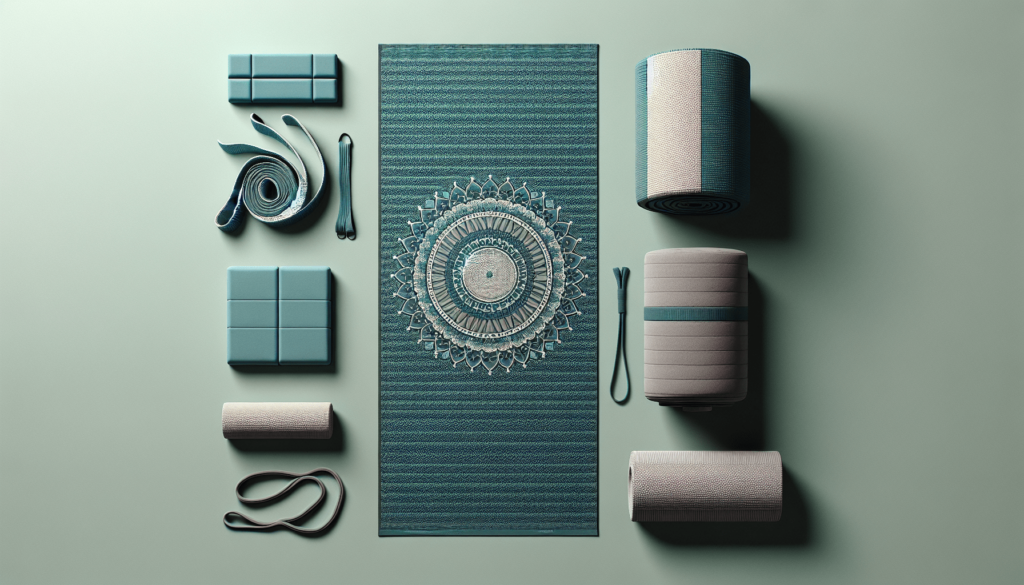
Some mats come with alignment guides printed on them. These are useful for ensuring correct posture and alignment, particularly for beginners.
Dual-Sided Mats
Dual-sided mats offer different textures on each side, providing versatility for various types of practices.
Travel-Friendly Features
For those who travel, consider mats that are lightweight, foldable, or come with a carry strap or bag.
Built-In Handles or Straps
Some mats feature built-in handles or straps for easier transport, making it convenient to carry them to and from your practice space.
Antimicrobial Properties
Mats with antimicrobial properties can help keep odors and bacteria at bay, ensuring a cleaner practice environment.
Accessories You Might Need
Carry Bags and Straps
Having a carry bag or strap makes it easier to transport your mat. Some come with additional pockets for storing essentials like your phone, keys, or water bottle.
Towels
Yoga towels add an extra layer of grip and absorb sweat, making them essential for hot yoga. They can also protect and extend the life of your mat.
Mat Cleaners
Using a mat cleaner specifically designed for your material type can help maintain the mat’s texture and longevity.
Props
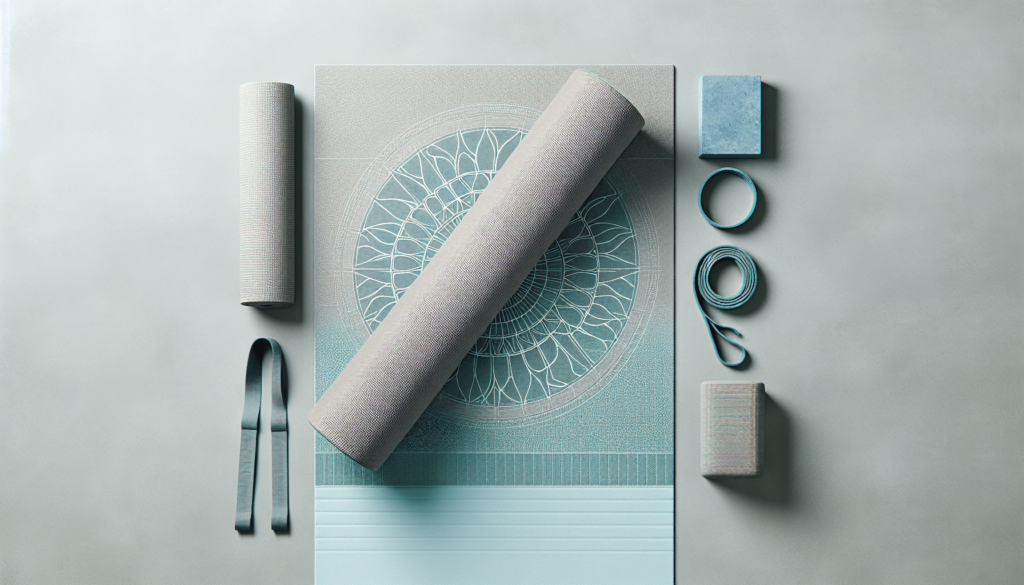
Props like blocks, straps, and cushions can enhance your practice by providing additional support and enabling more advanced poses.
Conclusion
Choosing the right yoga mat is a personalized decision that depends on various factors, including your practice style, comfort preferences, and environmental concerns. By understanding the different types of materials, thicknesses, and special features, you can select a mat that enhances your yoga journey. Remember, the best yoga mat is the one that feels right for you, supporting your practice and helping you connect more deeply with your yoga experience. So take your time, consider your needs, and select a mat that will become your reliable companion on the path to better health and well-being.