
Have you ever wondered about the role nutrition plays in your fitness journey? If you’re just starting out and aiming to boost your fitness, understanding how nutrition works can make a world of difference. This guide is designed to help you get a solid grasp on the basics so you can fuel your body effectively and achieve your fitness goals.
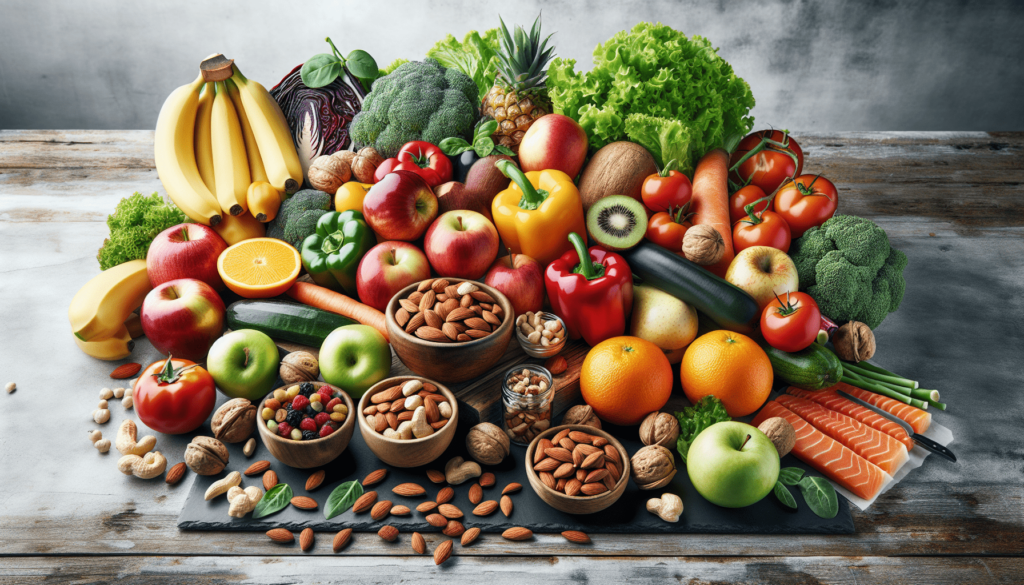
Why Nutrition is Key to Fitness
Nutrition isn’t just about counting calories or sticking to a strict diet; it’s about giving your body the right kind of fuel to function optimally. Whether you want to lose weight, build muscle, or improve performance, the food you eat directly affects your results.
Understanding Macronutrients
Macronutrients, commonly referred to as macros, are the nutrients your body needs in large amounts to function properly. They include carbohydrates, proteins, and fats. Understanding these can help you make informed choices about what to eat.
Carbohydrates
Carbohydrates are your body’s primary source of energy. They break down into glucose, which the body uses for energy.
Types of Carbohydrates
- Simple Carbohydrates: Found in fruits and dairy; these provide quick energy but can spike blood sugar levels.
- Complex Carbohydrates: Found in whole grains, vegetables, and legumes; these offer sustained energy and are packed with essential nutrients.
Proteins
Proteins are crucial for muscle repair and growth. They are made up of amino acids, which are the building blocks of your muscles.
Sources of Protein
- Animal-based: Meat, dairy, and eggs.
- Plant-based: Beans, lentils, and tofu.
Fats
Fats often get a bad rap, but they are essential for your body’s functions, including hormone production and nutrient absorption.
Types of Fats
- Saturated Fats: Found in animal products and some plant oils.
- Unsaturated Fats: Found in nuts, seeds, and fish. These are often considered healthier.
- Trans Fats: Found in some processed and fried foods. Best to avoid these.
Micronutrients: The Little Stuff Matters Too
Micronutrients include vitamins and minerals that your body needs in smaller amounts but are crucial for overall health.
Vitamins
Vitamins are organic compounds divided into water-soluble and fat-soluble categories.
Important Vitamins for Fitness
- Vitamin D: Important for bone health.
- Vitamin C: Helps with tissue repair.
- B Vitamins: Aid in energy production.
Minerals
Minerals are inorganic elements also essential for health.
Important Minerals for Fitness
- Calcium: Strengthens bones.
- Iron: Essential for oxygen transport in the blood.
- Magnesium: Helps with muscle function.
How to Balance Your Diet for Fitness
Balancing your diet involves understanding how much of each macronutrient you should consume. While this can vary based on individual goals, a general guideline might look something like this:
| Macro | Percentage of Daily Intake |
|---|---|
| Carbohydrates | 45-65% |
| Protein | 10-35% |
| Fats | 20-35% |
Pre-Workout Nutrition
What you eat before a workout plays a crucial role in your performance. A balanced pre-workout meal can help to sustain your energy levels, enhance endurance, and improve recovery.
When to Eat
It’s generally recommended to eat a meal 2-3 hours before your workout. If you’re closer to your workout time, a smaller snack 30-60 minutes beforehand can also be effective.
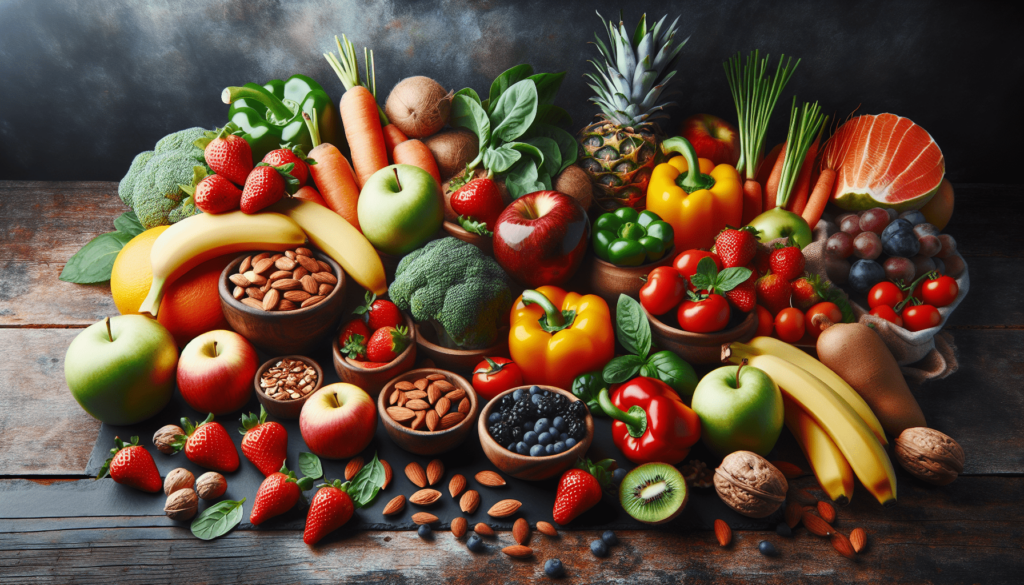
Pre-Workout Meal Ideas
- Balanced Meal: Grilled chicken with quinoa and vegetables.
- Quick Snack: A banana with a spoonful of peanut butter.
Post-Workout Nutrition
After a workout, your body needs the right nutrients to recover and build muscle. This is often referred to as the “anabolic window,” a period where nutrient absorption is enhanced.
When to Eat
Aim to eat within two hours of finishing your workout. This helps replenish glycogen stores and repair muscle tissue.
Post-Workout Meal Ideas
- Balanced Meal: Salmon with sweet potatoes and a side of steamed broccoli.
- Quick Snack: A protein shake with a handful of almonds.
Hydration: The Unsung Hero
Never underestimate the power of staying well-hydrated. Water is crucial for almost every bodily function, from regulating body temperature to aiding digestion.
How Much Water Do You Need?
While the exact amount can vary, a general recommendation is to drink at least 8 glasses of water a day. You may need more if you’re exercising intensively.
Hydration Tips
- Before Workout: Drink about 16-20 ounces of water.
- During Workout: Consume 7-10 ounces every 10-20 minutes.
- After Workout: Drink up to 24 ounces for every pound lost during exercise.
Special Diets and Fitness
The fitness world is full of specialized diets, from Keto to Vegan. Understanding the basics of these can help you decide if one is right for you.
Keto Diet
The Keto diet focuses on high fats, moderate protein, and very low carbohydrates. It aims to put your body into a state of ketosis.
Pros and Cons
- Pros: Can lead to rapid weight loss and improved mental focus.
- Cons: May be hard to sustain and can initially cause fatigue.
Vegan Diet
A Vegan diet excludes all animal products. It can be very beneficial but requires careful planning to ensure you get all essential nutrients.
Pros and Cons
- Pros: Lower in saturated fats and can improve cardiovascular health.
- Cons: May require supplementation, particularly for Vitamin B12 and Iron.
Supplements: To Take or Not to Take?
Supplements can be useful, but they are not a substitute for a balanced diet. Popular supplements in the fitness world include protein powders, BCAAs, and creatine.
Types of Supplements
- Protein Powders: Can help meet protein needs, especially post-workout.
- BCAAs: Help reduce muscle soreness and speed up recovery.
- Creatine: Can increase strength and muscle mass.
Are Supplements Necessary?
While they can aid your fitness journey, it’s crucial to prioritize whole foods. Supplements should fill gaps in your diet, not replace meals.
Meal Planning and Preparation
The key to a successful nutrition plan is organization. Meal planning and preparation can save time and ensure you stick to your nutritional goals.
Tips for Meal Planning
- Plan Ahead: Make a weekly meal plan.
- Batch Cook: Prepare meals in bulk.
- Use a Grocery List: Stick to your list to avoid impulse buys.
Monitoring and Adjusting
Your nutritional needs may change as you progress in your fitness journey, so it’s essential to monitor and adjust your diet as needed.
Keeping a Food Diary
A food diary can help you track what you eat and how it affects your performance and well-being.
Regular Check-ins
Set regular check-ins to assess your progress and make necessary adjustments. Consult a nutritionist or dietitian if you’re unsure about the changes.
Common Nutrition Myths
There are plenty of myths surrounding nutrition and fitness. Clearing up these misconceptions can help you make better choices.
Myth 1: Carbs are the Enemy
Not all carbs are bad. Complex carbs are essential for sustained energy and overall health.
Myth 2: Fat Makes You Fat
Healthy fats are crucial for your body. It’s the type of fat and your overall caloric intake that matter.
Myth 3: More Protein Equals More Muscle
While protein is essential for muscle growth, consuming it in excess won’t lead to additional gains. Balance is key.
Final Thoughts
Embarking on a fitness journey can be overwhelming, but understanding the basics of nutrition can set you on the right path. Remember, there’s no one-size-fits-all approach. What’s most important is finding what works best for you and sticking to it.
At the end of the day, a balanced diet, proper hydration, and consistent exercise are the cornerstones of any successful fitness journey. Happy fueling!