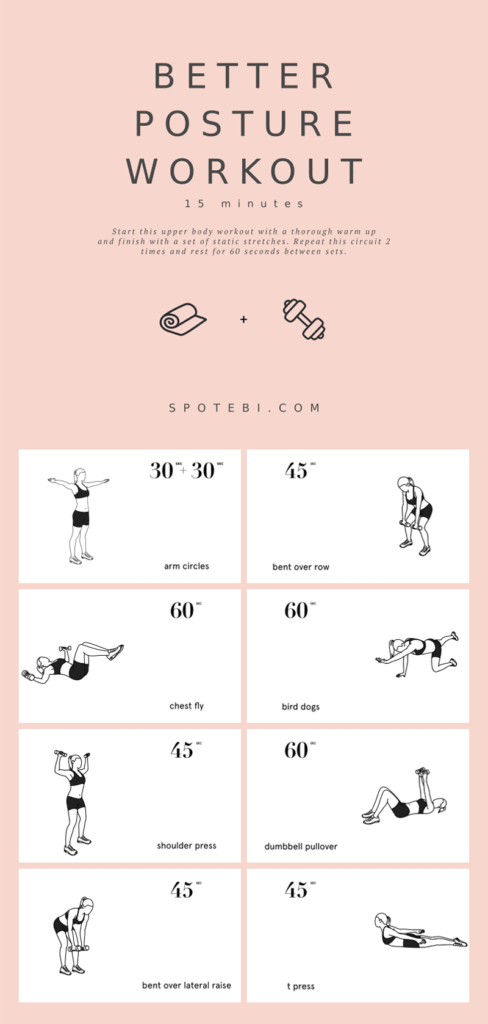
Have you ever wondered why so many fitness experts emphasize the importance of maintaining good posture and having a strong core? These two aspects of physical fitness play a vital role in not only how you look but also in how you feel and function daily. Improving your posture and building core strength can help alleviate back pain, prevent injuries, and even boost your confidence. So, let’s explore some practical workout routines that can help you achieve better posture and a stronger core.
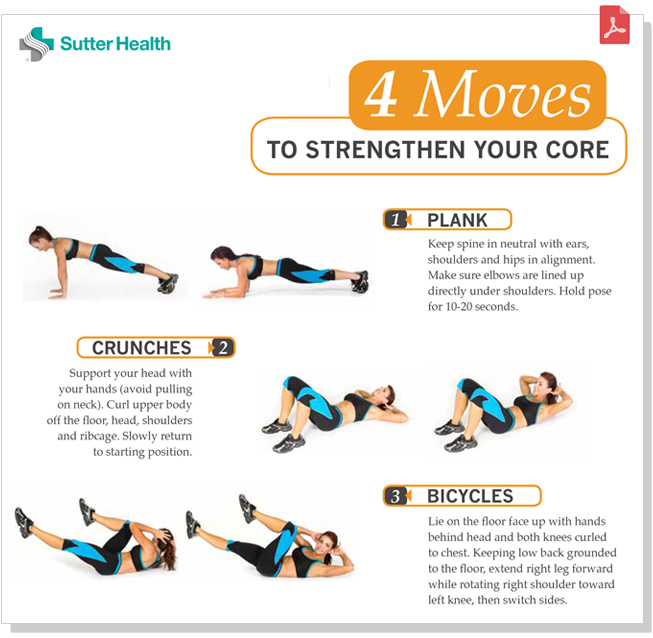
The Importance of Good Posture and Core Strength
Having good posture and a strong core is crucial for your overall health and well-being. Good posture helps ensure that your bones and joints are in the correct alignment so that your muscles can be used effectively. On the other hand, a strong core provides stability to your entire body and supports your spine, which helps reduce the risk of injuries.
Benefits of Good Posture
Good posture is more than just standing up straight. It offers a range of benefits that can improve your physical and mental health:
- Reduces Back and Neck Pain: Proper alignment decreases strain on your muscles and ligaments, alleviating pain.
- Improves Breathing: Good posture allows for better oxygen flow, enhancing your respiratory efficiency.
- Enhances Confidence: Standing tall can boost your self-esteem and project confidence.
Benefits of a Strong Core
Your core muscles include not just your abs but also muscles in your back, sides, and pelvis. Strengthening these muscles offers multiple advantages:
- Enhanced Stability: A strong core stabilizes your body, making physical activities easier and more effective.
- Improved Balance: Core strength helps you maintain better balance, reducing your risk of falls.
- Support for Daily Activities: Whether you’re lifting groceries or playing sports, a strong core makes these tasks easier and safer.
Key Components of Effective Posture and Core Workouts
To develop routines that improve your posture and core strength, focus on exercises that target muscles supporting these areas. These include your back, shoulders, glutes, and of course, your abdominal muscles. The key components include:
- Strength Training: Building muscle strength helps you maintain good posture and stabilize your core.
- Flexibility Exercises: Stretching improves your range of motion and prevents muscle tightness.
- Balance Training: Balance exercises enhance your body’s awareness and coordination.
- Endurance Exercises: Building endurance helps muscles sustain longer periods of activity to support good posture.
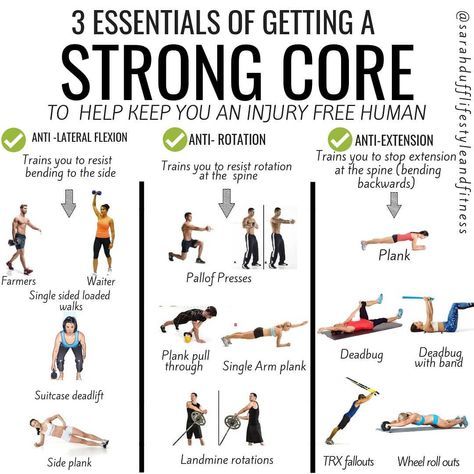
Sample Workout Routines
Let’s break down some workout routines that include exercises targeting different muscles contributing to better posture and core strength.
Routine 1: Beginner Level
This routine is designed for beginners and focuses on establishing a foundation for good posture and core strength.
Warm-Up
- Cat-Cow Stretch (2 minutes): Start on all fours and alternate between arching your back upward (Cat) and letting it sag downward (Cow).
Core Strengthening
- Plank (3 sets of 20-30 seconds): Focus on maintaining a straight line from your head to your heels.
- Bird-Dog (3 sets of 10 reps per side): On all fours, extend one arm and the opposite leg simultaneously.
Posture Improvement
- Wall Angels (3 sets of 10 reps): Stand with your back against a wall and slide your arms up and down as if making snow angels.
- Seated Rows with Resistance Band (3 sets of 15 reps): Sit with your legs extended, holding a resistance band. Pull the band towards you, squeezing your shoulder blades together.
Flexibility Training
- Standing Forward Bend (3 sets of 30 seconds): Bend from your hips, trying to touch your toes. Hold for a stretch.
- Chest Opener Stretch (3 sets of 30 seconds): Interlace your fingers behind your back and stretch your arms backward.
Cool Down
- Child’s Pose (2 minutes): Sit back on your heels with your arms extended forward on the floor.
Routine 2: Intermediate Level
Once you are comfortable with the beginner routine, you can progress to this intermediate workout.
Warm-Up
- Torso Twists (2 minutes): Stand with your feet shoulder-width apart and twist your torso from side to side.
Core Strengthening
- Side Plank (3 sets of 15-20 seconds per side): Hold a plank position on your side, supported by one arm.
- Russian Twists (3 sets of 20 reps): Sit with your legs elevated and twist your torso to move a weight from side to side.
Posture Improvement
- Face Pulls (3 sets of 12 reps): Using a resistance band, pull towards your face, keeping your elbows high.
- Thoracic Extension on Foam Roller (3 sets of 10 reps): Lie on your back on a foam roller and extend your thoracic spine backward over it.
Flexibility Training
- Hip Flexor Stretch (3 sets of 30 seconds per side): Kneel on one knee and push your hips forward to stretch the hip flexor.
- Shoulder Stretch (3 sets of 30 seconds per arm): Pull one arm across your chest to stretch your shoulder.
Cool Down
- Reclining Bound Angle Pose (2 minutes): Lie on your back, soles of your feet together, letting your knees fall open.
Routine 3: Advanced Level
This routine is suited for those who have built a good foundation and are ready to challenge themselves further.
Warm-Up
- Jumping Jacks (2 minutes): A classic warm-up to get your heart rate up and muscles warm.
Core Strengthening
- Hollow Body Hold (3 sets of 20-30 seconds): Lie on your back and lift your arms and legs, maintaining a hollow shape.
- Hanging Leg Raises (3 sets of 10 reps): Hang from a pull-up bar and lift your legs to a 90-degree angle.
Posture Improvement
- Bent-Over Rows (3 sets of 12 reps): Bend at the waist and row a dumbbell towards your waist.
- Deadlifts (3 sets of 10 reps): With proper form, deadlifts can greatly enhance your posture by strengthening your back and core.
Flexibility Training
- Lizard Pose (3 sets of 30 seconds per side): From a lunge position, bring both hands to the inside of your front foot and drop your hips forward.
- Upper Back Stretch (3 sets of 30 seconds): Extend your arms forward while sitting back on your heels to stretch your upper back.
Cool Down
- Supine Twist (2 minutes): Lie on your back and twist your lower body to one side while keeping your upper body facing the ceiling.
Tips for Maximizing Your Workouts
Consistency is Key
Consistency is crucial for seeing results. Ensure you stick to your workout routine and make it a part of your regular schedule. Even a short, daily workout can make a significant difference over time.
Form Over Quantity
When performing exercises, prioritize correct form over the number of reps or sets. Proper form ensures that you engage the correct muscles and reduce the risk of injury.
Mix Up Your Routine
To keep your workouts interesting and engaging, mix up your exercises regularly. This will not only challenge different muscle groups but also keep you motivated.
Listen to Your Body
Pay attention to how your body feels during and after workouts. If you experience pain (not to be confused with muscle soreness), it may be an indicator that you need to alter or take a break from your routine.
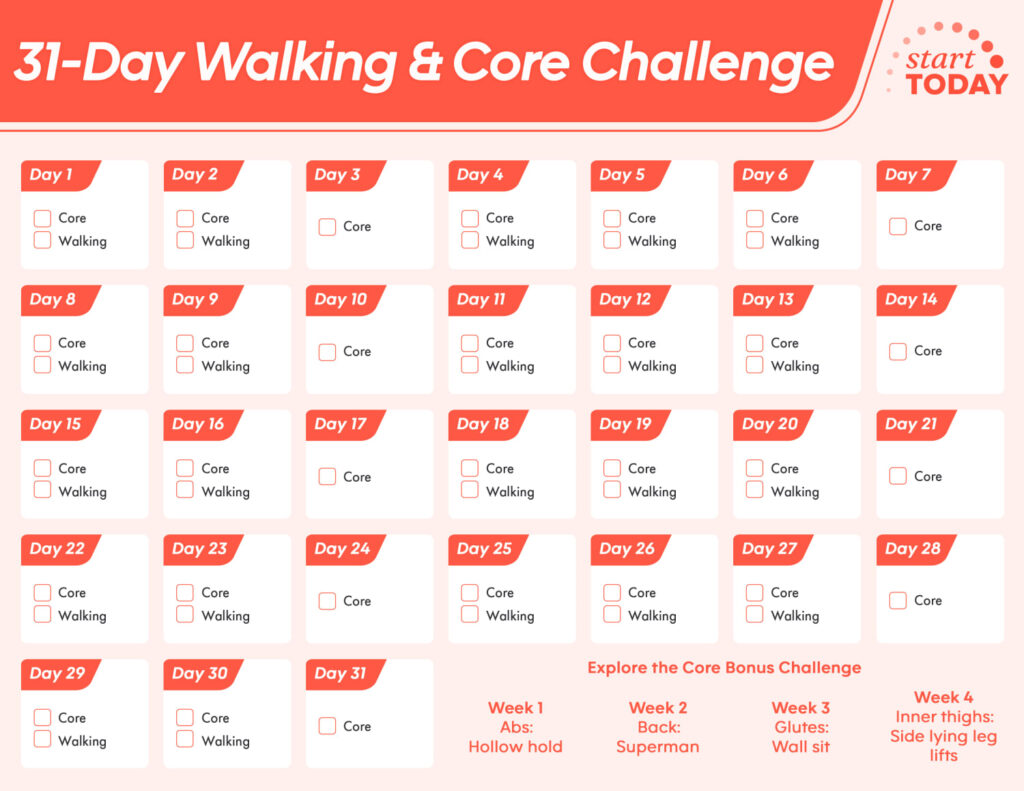
Example Workout Schedule
Here’s an example of how you can structure your week to include these routines:
| Day | Activity |
|---|---|
| Monday | Beginner Routine |
| Tuesday | Rest or light activity (e.g., walking, yoga) |
| Wednesday | Intermediate Routine |
| Thursday | Rest or light activity |
| Friday | Advanced Routine |
| Saturday | Rest or light activity |
| Sunday | Rest or light stretching |
Conclusion
Improving your posture and building a strong core takes time, effort, and consistency. Incorporating the exercises described in these routines into your regular workout can help support these goals. Remember, the journey towards better posture and core strength is a marathon, not a sprint. Enjoy the progress you make along the way and celebrate your improvements, no matter how small they may seem.
With commitment and perseverance, you’ll find yourself standing taller, moving more confidently, and enjoying a healthier, more balanced life.