
Have you ever felt confused about all the different advice surrounding weight loss and dieting? You’re certainly not alone. With so much information—some of it conflicting—circulating about what methods work and which ones are ineffective or downright dangerous, it’s challenging to separate fact from fiction. Let’s unravel some of the most common myths about weight loss and dieting, giving you clear insights that can help you on your journey to better health.
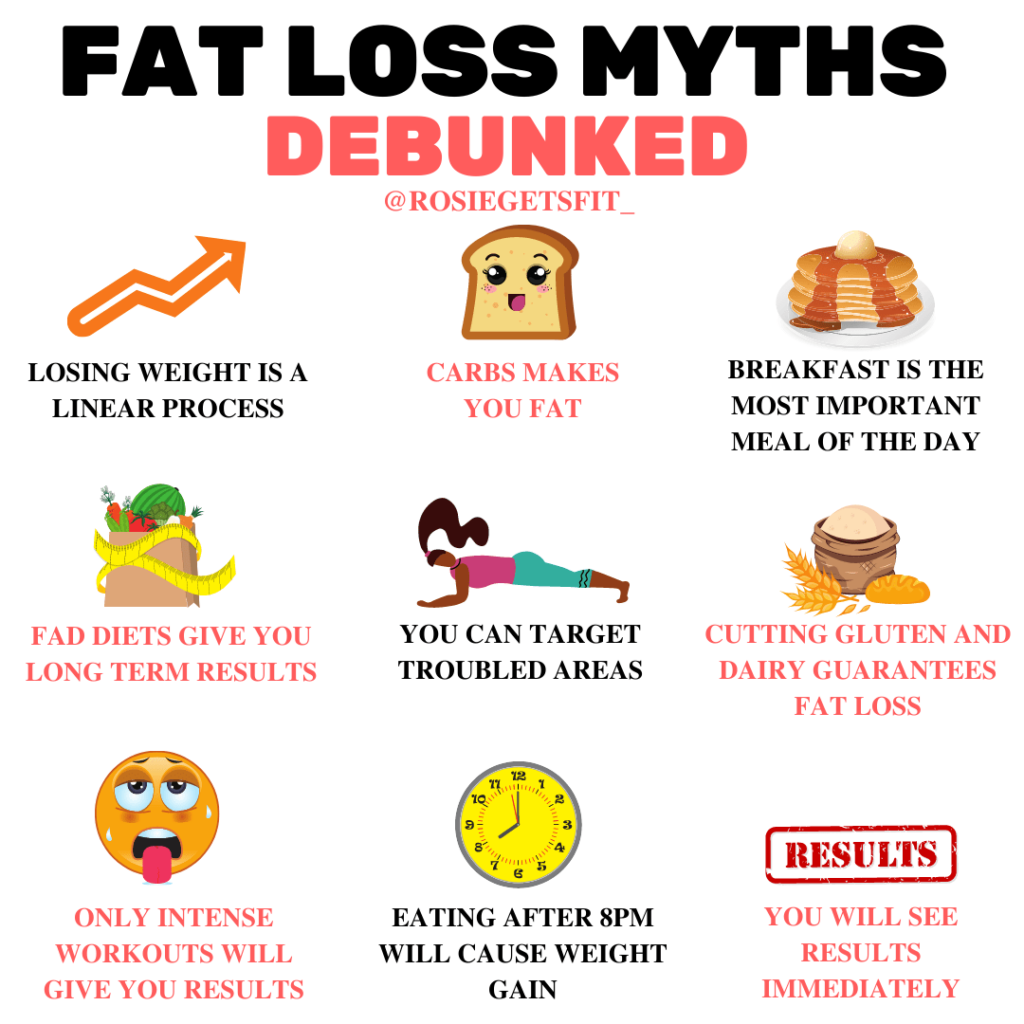
Myth 1: Carbs Are the Enemy
It’s not uncommon to hear that you need to cut out carbs entirely to lose weight. Carbohydrates often get a bad rap, but are they truly the enemy?
The Truth About Carbs
Carbohydrates are essential nutrients that your body needs for energy. Completely eliminating them from your diet can lead to fatigue, poor mental function, and other health problems. Instead of eradicating carbs, focus on consuming complex carbohydrates like whole grains, fruits, and vegetables, which provide essential nutrients and fiber.
Myth 2: Skipping Meals Helps You Lose Weight
Skipping meals might seem like an easy way to cut calories, but it’s not a sustainable or healthy weight-loss strategy.
Why Skipping Meals Doesn’t Work
Skipping meals can lead to extreme hunger, making you more likely to overeat later. Additionally, it can slow down your metabolism, making it harder to lose weight in the long run. It’s usually better to eat smaller, balanced meals and snacks throughout the day to keep your metabolism active.
Myth 3: All Fats are Bad for You
The notion that all fats are harmful and should be eliminated from your diet is another widespread myth.
Good Fats vs. Bad Fats
Your body requires healthy fats for multiple functions, including hormone regulation and nutrient absorption. Unsaturated fats found in avocados, nuts, and olive oil can actually be beneficial for your heart. It’s the trans fats and excessive saturated fats (found in processed foods) that you need to be wary of.
Myth 4: Supplements Can Replace Food
Pill-popping might seem like a hassle-free way to get the nutrition you need, but relying on supplements to replace real food is misguided.
Food is Irreplaceable
Whole foods provide a complex mix of nutrients, fibers, and bioactive compounds that supplements can’t fully replicate. While supplements can be helpful in addressing specific deficiencies, they shouldn’t serve as a substitute for well-balanced meals.
Myth 5: Diet Foods and Drinks Help You Lose Weight
Opting for diet sodas and low-fat foods might seem like an easy way to lose weight, but these products can sometimes do more harm than good.
Hidden Downsides of Diet Products
Many “diet” foods contain artificial sweeteners and additives that can affect your gut health and metabolism. Moreover, low-fat products often contain added sugars to improve taste, which can lead to increased calorie consumption.
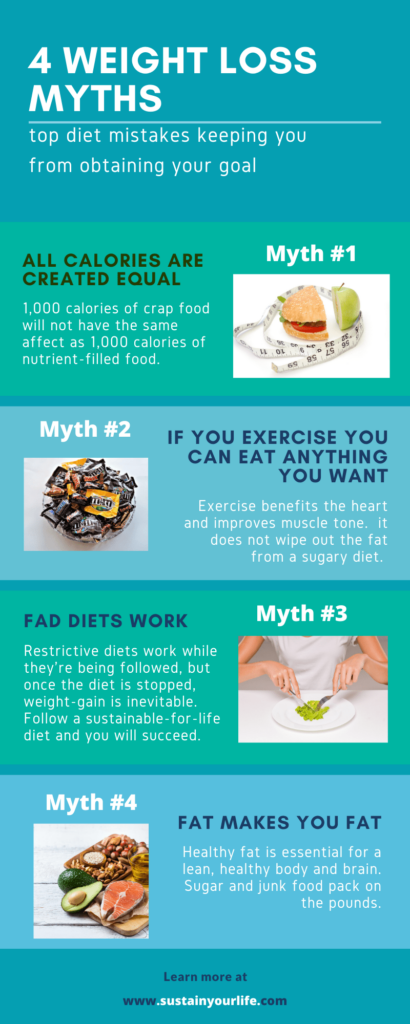
Myth 6: You Can Target Fat Loss
Wouldn’t it be wonderful if you could choose exactly where you want to lose fat? Unfortunately, spot reduction is one of the most enduring myths out there.
Understanding Body Fat
Your body doesn’t burn fat from specific areas just because you target them during exercise. Instead, fat loss occurs throughout your body as you maintain a calorie deficit. Focus on full-body workouts and a balanced diet for overall fat loss.
Myth 7: You Have to Exercise Excessively
Some believe that you need to spend hours at the gym each day to lose weight effectively, but this isn’t necessarily true.
Quality Over Quantity
Effective weight loss can be achieved with regular, moderate exercise. The key is consistency rather than intensity. A mix of strength training, cardio, and flexibility exercises can offer substantial benefits without requiring hours of your day.
Myth 8: You Shouldn’t Eat After 6 PM
You might have heard that eating late at night leads to weight gain, but the timing of your meals is not nearly as important as what and how much you eat.
The Truth About Late-Night Eating
Your body’s metabolism doesn’t shut down after a certain hour. What matters most is your total calorie intake and expenditure for the day. So, if you’re hungry at night, opt for a healthy, balanced snack rather than forbidding yourself from eating.
Myth 9: Detox Diets Are Essential for Weight Loss
Detox diets and cleanses are popular, but they’re often more marketing hype than scientific reality.
What Detox Diets Really Do
Your body has its own natural detoxification systems, primarily the liver and kidneys. Detox diets can sometimes lead to nutrient deficiencies and other health problems. A balanced diet rich in fruits, vegetables, whole grains, and lean proteins is more effective for long-term health and weight management.
Myth 10: Eating Less is Always Better
While creating a calorie deficit is crucial for weight loss, drastically cutting calories is dangerous and often counterproductive.
Balanced Caloric Intake
Severely restricting your caloric intake can lead to muscle loss, nutrient deficiencies, and a slowed metabolism. It’s important to find a balance that promotes steady, healthy weight loss while providing the nutrients your body needs.
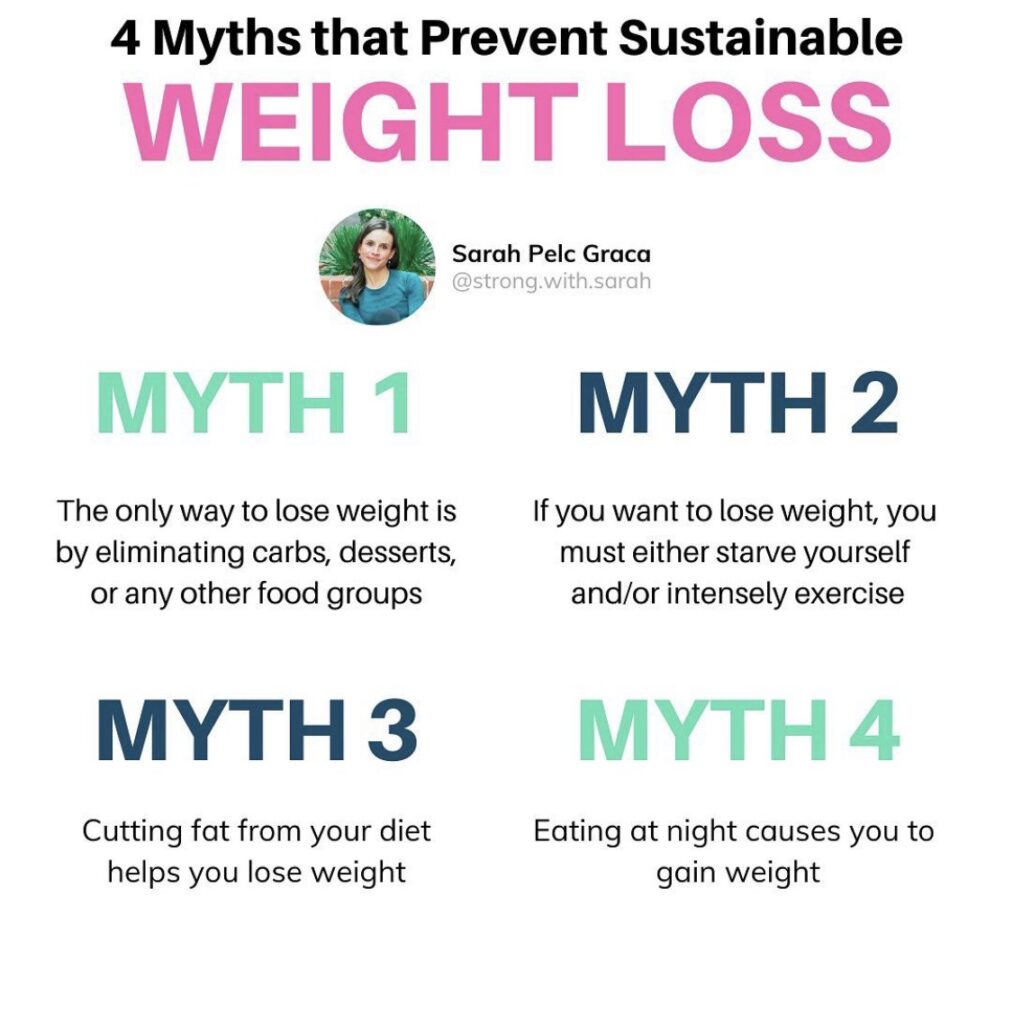
Myth 11: Weight Loss is Linear
You might expect your weight loss journey to be a straight path downward, but that’s seldom the case.
Understanding Weight Fluctuations
Weight loss often happens in cycles. There will be periods of rapid loss, plateaus, or even slight increases. It’s important to stay motivated through these fluctuations and focus on the overall trend rather than daily changes.
Myth 12: Only Drastic Changes Lead to Weight Loss
It’s easy to think that you need to make severe lifestyle alterations to see any results, but small, consistent changes often bring sustainable success.
The Power of Small Changes
Adopting minor adjustments, like reducing portion sizes, walking more, or choosing healthier snacks, can collectively lead to significant results over time. These small changes are more manageable and are easier to maintain long term.
Myth 13: You Have to Give Up Your Favorite Foods
Many people believe that weight loss requires you to sacrifice all your favorite treats.
Moderation, Not Deprivation
You don’t have to completely avoid your favorite foods; it’s about moderation. Allow yourself occasional indulgences while focusing on an overall balanced diet. This approach makes your weight loss journey more enjoyable and sustainable.
Myth 14: Only Cardio Leads to Weight Loss
Cardio exercises like running or cycling are often emphasized, but they’re not the only way to lose weight.
The Role of Strength Training
Incorporating strength training into your routine can boost your metabolism by increasing muscle mass, helping you burn more calories even at rest. A mix of cardio and strength training will provide the best results.
Myth 15: Thinner Equals Healthier
It’s a common assumption that thinness is synonymous with health, but this isn’t always the case.
Health Beyond Weight
Health is multifaceted. Factors like cardiovascular fitness, muscle mass, mental well-being, and other markers often provide a more comprehensive picture of your health. A balanced approach focusing on overall well-being is more beneficial than striving for a certain weight.
Myth 16: You Can’t Enjoy Eating Out
Dining at restaurants often has a bad reputation among those trying to lose weight, but it doesn’t have to be off-limits.
Smart Choices When Eating Out
Many restaurants offer healthy options or can modify dishes to suit your needs. You can ask for dressings on the side, opt for grilled rather than fried, and choose portion sizes that align with your goals. It’s about making smart choices rather than avoiding dining out altogether.
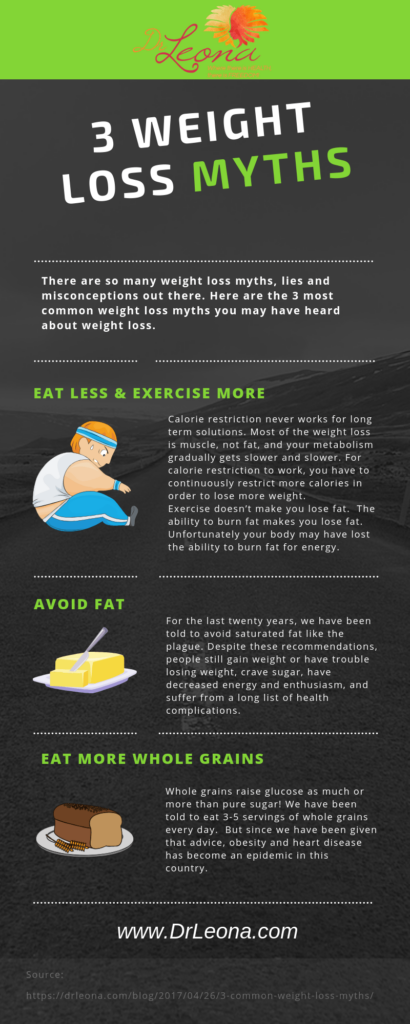
Myth 17: All Calories Are Equal
You might think that as long as you stay within your calorie limit, it doesn’t matter where those calories come from.
Quality of Calories
The source of your calories does matter. 200 calories from a sugary snack does not have the same nutritional value as 200 calories from a balanced meal. Nutrient-dense foods provide essential vitamins, minerals, and fiber that help your body function optimally.
Myth 18: Dieting Alone is Enough
While diet plays a crucial role in weight loss, it isn’t the sole factor.
The Importance of a Holistic Approach
Exercise, sleep, stress management, and hydration all contribute to effective weight loss and overall health. Combining a balanced diet with regular physical activity, adequate rest, and stress management techniques will yield the best results.
Myth 19: Crash Diets are a Good Quick Fix
Crash diets promise rapid weight loss but often at a significant cost.
The Risks of Crash Diets
These diets can lead to muscle loss, nutritional deficiencies, and a slower metabolism. Worse yet, any weight lost is often quickly regained once you return to regular eating habits. Sustainable weight loss takes time and commitment to healthier habits.
Myth 20: BMI is the Best Indicator of Health
Body Mass Index (BMI) is commonly used to assess health, but it has its limitations.
Beyond BMI
BMI doesn’t account for muscle mass, bone density, or fat distribution. Two people with the same BMI can have very different body compositions and health statuses. While it’s a useful tool, it’s not the sole indicator of health. Other factors and measurements should be considered for a more comprehensive assessment.
Myth 21: Drinking More Water Automatically Leads to Weight Loss
Hydration is crucial, but it alone isn’t a magic weight loss solution.
The Role of Water
While drinking water can aid digestion and help control hunger, it needs to be part of a comprehensive weight loss plan that includes a balanced diet and regular exercise. Overhydration can also be harmful, so moderation is key.
Myth 22: Weight Loss is Just About Willpower
Some believe that weight loss is merely about having the willpower to eat less and exercise more, but it’s more complex than that.
Factors Beyond Willpower
Genetics, metabolism, mental health, and lifestyle factors all play roles in weight management. Understanding and addressing these aspects can make a significant difference. Seeking support from healthcare professionals can also provide guidance and motivation.
Myth 23: You Should Weigh Yourself Daily
Daily weigh-ins might seem like a good way to track your progress, but they can be misleading and counterproductive.
Scale Fluctuations
Your body weight can vary day-to-day due to factors like water retention, hormonal changes, and meal timings. Weighing yourself weekly, at the same time each day, gives a more accurate picture of your progress.
Myth 24: Once You Find a Diet that Works, Stick to It Forever
The idea of sticking to one diet for life might seem appealing, but it’s not always practical or necessary.
Evolving Dietary Needs
Your body, lifestyle, and nutritional needs can change over time. It’s important to remain flexible and adjust your eating habits accordingly. Staying informed and consulting with nutrition experts can help you make necessary adjustments to maintain health and weight.
Myth 25: You Can Out-Exercise a Bad Diet
While exercise is essential, it can’t completely compensate for poor eating habits.
Diet and Exercise Balance
Calories burned through exercise are often less than what people assume. A balanced, nutrient-rich diet combined with regular physical activity is the most effective strategy for weight management.
Myth 26: Natural and Organic Foods Are Always Better
Just because something is labeled natural or organic doesn’t mean it’s automatically healthier.
Reading Labels
Organic cookies are still cookies and can contain high levels of sugar and calories. Understanding food labels and nutritional information is crucial for making healthier choices, regardless of how the food is marketed.
Myth 27: Metabolism Can’t Change
You might think that metabolism is fixed and can’t be altered, but this isn’t entirely true.
Boosting Metabolism
While genetics play a role in your metabolic rate, factors like muscle mass, physical activity, and eating habits can influence it. Engaging in regular strength training, eating small frequent meals, and staying hydrated can help maintain a healthy metabolism.
Myth 28: Weight Loss Means Losing Weight Everywhere
Many believe that losing weight means that all excess fat will disappear uniformly across the body.
Individual Fat Storage
Everyone stores and loses fat differently based on genetics and other factors. It’s common for some areas to lose fat more quickly than others. Patience and consistent effort are key.
Myth 29: Health Foods Are Expensive
The perception that eating healthy is costly can deter many people from adopting nutritious diets.
Budget-Friendly Health Food
You don’t have to break the bank to eat well. Buying seasonal fruits and vegetables, cooking at home, and reducing reliance on processed foods can make healthy eating affordable.
Myth 30: Consuming Dairy Hinders Weight Loss
Dairy products often face criticism in weight loss discussions, but should they be off-limits?
Dairy and Weight Loss
Low-fat and fat-free dairy products can be part of a healthy diet. They offer essential nutrients like calcium and vitamin D. The key is moderation and choosing options that fit within your overall dietary goals.
Myth 31: You Must Avoid All Processed Foods
Processed foods often have a bad reputation, but not all are created equal.
Understanding Processed Foods
There’s a difference between minimally processed foods like frozen vegetables and heavily processed items like sugary cereals. Learning to differentiate can help you make better choices without resorting to an all-or-nothing approach.
Myth 32: You Shouldn’t Snack Between Meals
Some believe that snacking is a sure-fire way to gain weight, but healthy snacking can actually be beneficial.
Smart Snacking
Smart snacking can help you maintain energy levels and prevent overeating at meal times. Opt for nutrient-dense snacks like fruits, nuts, or yogurt to stay satisfied and maintain steady blood sugar levels.
Conclusion
Understanding the myths and facts surrounding weight loss and dieting empowers you to make informed decisions. The journey to better health doesn’t require drastic measures, just balanced, consistent, and educated choices. By dispelling these myths, you gain a clearer path to sustainable weight loss. Remember, every small step you take is progress, so stay committed and informed.