
Advanced Techniques For Relieving Muscle Soreness And Tightness
Have you ever experienced muscle soreness and tightness that seems to linger, making daily activities a challenge? If so, you are not alone. Whether you’re an athlete, a fitness enthusiast, or someone who occasionally overdoes it with physical activity, muscle soreness and tightness can affect anyone. Let’s take a look at some advanced techniques that can aid in relief and speed up recovery.
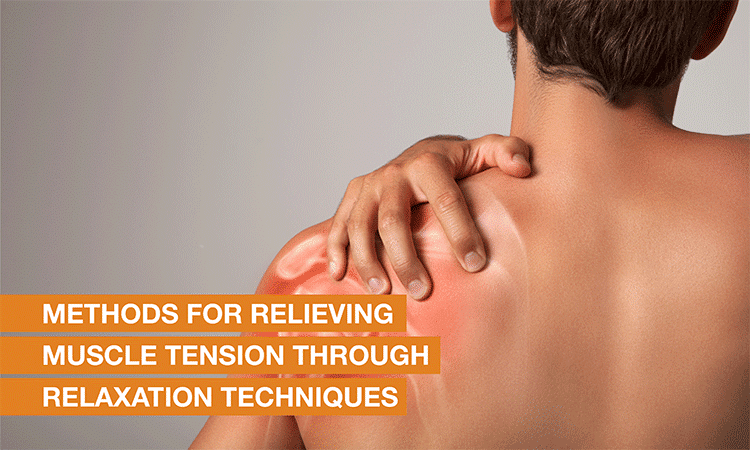
Understanding Muscle Soreness and Tightness
Muscle soreness and tightness occur for various reasons. Sometimes it’s due to physical exertion; other times, it’s the result of poor posture or a sedentary lifestyle. Knowing the cause can help in choosing the most effective relief techniques.
Types of Muscle Soreness
Acute Muscle Soreness
This is the soreness you feel during or immediately after a workout. It’s usually due to the accumulation of lactic acid in your muscles.
Delayed Onset Muscle Soreness (DOMS)
Often, you’ll feel this type of soreness about 24 to 72 hours after exercise. DOMS is due to microscopic tears in the muscle fibers, leading to inflammation and discomfort.
Chronic Muscle Tightness
Chronic muscle tightness is often a result of poor posture, repetitive stress injuries, or conditions like fibromyalgia. This type of muscle ache can be persistent and may require a combination of techniques for effective relief.
Conventional Relief Methods
Before diving into advanced techniques, understanding the basics can provide a well-rounded approach to muscle relief.
Rest and Recovery
The importance of giving your body time to heal cannot be overstated. Adequate sleep and short breaks between intense physical activities ensure that your muscles recover efficiently.
Over-the-Counter Pain Relievers
Medications like ibuprofen and aspirin are commonly used. While they offer temporary relief, they don’t address the root cause.
Stretching and Light Exercise
Gentle stretching improves flexibility and blood circulation, helping in reducing muscle stiffness. Light exercises, like yoga or walking, can maintain muscle elasticity without overexertion.
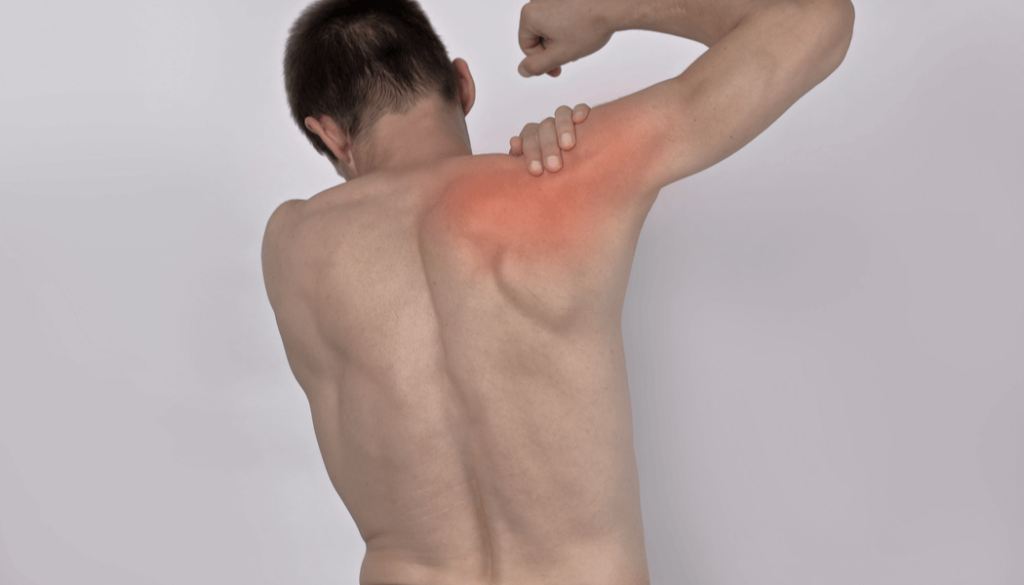
Advanced Techniques for Muscle Relief
Now, let’s explore some advanced methods that offer more targeted and effective muscle relief.
Foam Rolling and Myofascial Release
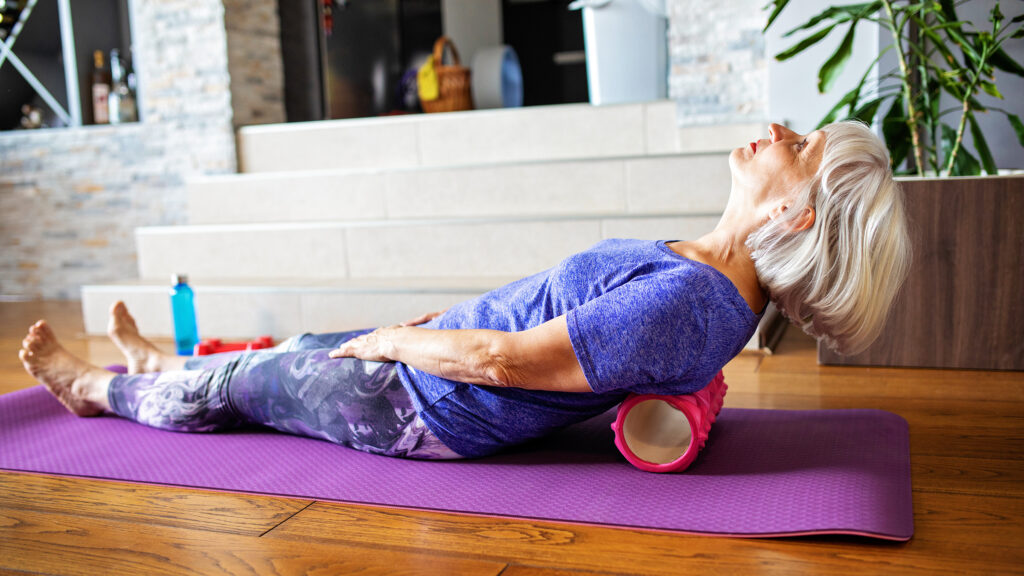
Foam rolling is a self-massage technique that targets muscle tightness. By applying pressure to specific areas, you can release tension and knots.
How to Use a Foam Roller
Here is a simple table to guide you through the foam rolling process:
| Muscle Group | Position | Technique |
|---|---|---|
| Quads | Lie face down with the roller under thighs | Roll back and forth from hips to knees. |
| Hamstrings | Sit with the roller under your thighs | Roll from the bottom of your glutes to the back of your knees. |
| Calves | Sit with the roller under your calves | Roll from your ankles to the back of your knees. |
| Upper Back | Lie down with the roller under shoulders | Roll from your upper shoulder blades to the middle of your back. |
Epsom Salt Baths
Taking a warm bath with Epsom salts can dramatically reduce muscle soreness. Epsom salts contain magnesium sulfate, which can be absorbed through the skin, reducing inflammation and relaxing muscle tension.
Steps for an Epsom Salt Bath
- Fill your tub with warm water.
- Add 2 cups of Epsom salt.
- Soak for at least 20 minutes.
- Rinse off with clean water.
Cryotherapy
Cryotherapy involves exposing the body to extremely cold temperatures for short periods. This technique helps in reducing inflammation, increasing blood flow, and alleviating muscle soreness.
Benefits of Cryotherapy
- Reduces muscle pain and inflammation.
- Improves circulation.
- Enhances mental clarity and focus.
Electrical Muscle Stimulation (EMS)
EMS uses electrical impulses to cause muscle contractions. This can be particularly effective for muscle recovery.
Best Practices for EMS
- Use the device on the lowest setting when starting.
- Limit sessions to 15-20 minutes.
- Focus on sore or tight muscle groups.
Percussive Therapy
Using a massage gun can help in loosening tight muscles and promoting blood flow.
How to Use a Massage Gun
- Choose the right attachment for the muscle group.
- Apply light pressure and move the gun in circular motions.
- Spend about 1-2 minutes on each muscle group.
Nutritional Support
Nutrition plays an essential role in muscle recovery. Consuming the right nutrients can significantly influence your muscle health.
Anti-Inflammatory Foods
Incorporate these foods into your diet to help reduce muscle soreness:
| Food Item | Benefits |
|---|---|
| Turmeric | Anti-inflammatory properties |
| Ginger | Reduces muscle pain and inflammation |
| Fatty Fish | Omega-3 fatty acids, which are anti-inflammatory |
| Berries | High in antioxidants that reduce muscle damage |
| Green Tea | Contains antioxidants that help in muscle recovery |
Hydration
Staying hydrated is crucial for muscle function and recovery. Dehydration can exacerbate muscle soreness and delay recovery.
Specialized Techniques
Active Release Techniques (ART)
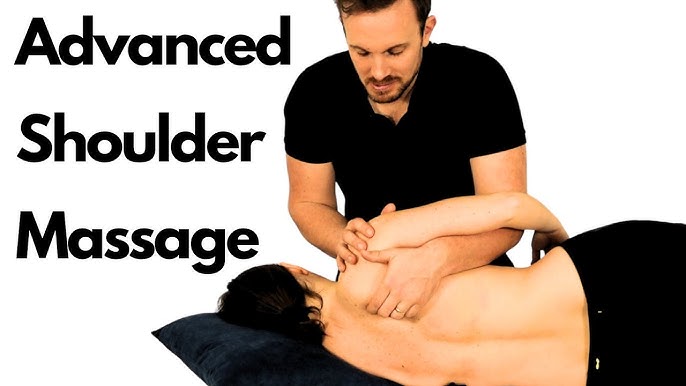
This hands-on treatment targets the underlying causes of muscle tension and pain. By manipulating soft tissues, ART breaks down scar tissue and adhesions.
What to Expect in an ART Session
- Initial assessment to identify problem areas.
- Targeted massage and pressure application.
- Stretching and movement to aid tissue release.
Graston Technique
This technique uses stainless steel instruments to massage areas with muscle fibrosis or chronic tension. It helps in breaking down scar tissue and increasing blood flow.
Benefits of the Graston Technique
- Alleviates chronic muscle pain.
- Improves range of motion.
- Speeds up recovery from muscle injuries.
Prolotherapy
Prolotherapy involves injecting a dextrose solution into the injured or sore area to stimulate a healing response. This can be particularly effective for chronic muscle injuries.
Steps in Prolotherapy
- The area is cleaned and numbed.
- A solution is injected into the targeted area.
- Multiple sessions are usually required for optimal results.
Cupping Therapy
In this therapy, cups are placed on the skin to create a suction effect. This increases blood flow and reduces muscle tension.
Types of Cupping
- Dry Cupping: Only suction is used.
- Wet Cupping: A combination of suction and controlled bleeding.
Acupuncture
Acupuncture involves the insertion of fine needles into specific points on the body to relieve muscle tension and pain.
How Acupuncture Works
- Stimulates endorphin release.
- Increases blood flow to the affected area.
- Balances the body’s energy flow.
Combining Techniques for Optimal Relief
Using multiple techniques can significantly enhance muscle recovery. For instance, following a workout, you might combine foam rolling with an Epsom salt bath and then apply a topical analgesic.
Sample Muscle Recovery Routine
| Time | Activity | Notes |
|---|---|---|
| Post-Workout | Foam Rolling | Focus on major muscle groups |
| 30 Minutes Later | Epsom Salt Bath | Soak for 20 minutes |
| Evening | Light Stretching | Gentle stretching to maintain flexibility |
| Before Bed | Apply Topical Analgesic or Use Massage Gun | Target sore areas |
Preventive Measures to Avoid Muscle Soreness and Tightness
While treating muscle soreness and tightness is crucial, preventing it can save you from future discomfort.
Warm-Up Properly
A proper warm-up prepares your muscles for exercise, reducing the risk of injury and soreness. Spend at least 5-10 minutes on light cardio and dynamic stretches before any workout.
Improve Posture
Poor posture can lead to chronic muscle tightness. Make a conscious effort to maintain correct posture, especially if you have a sedentary job.
Tips for Good Posture
- Keep your feet flat on the floor.
- Align your shoulders with your hips.
- Avoid slouching.
Regular Exercise
Regular, moderate exercise helps in maintaining muscle health, making them less prone to soreness and tightness.
Adequate Sleep
Your muscles undergo most of their repair during sleep. Make sure you get at least 7-9 hours of quality sleep each night for optimal recovery.
Tips for Better Sleep
- Maintain a consistent sleep schedule.
- Create a restful sleep environment.
- Avoid caffeine and heavy meals before bedtime.
Stay Hydrated
Dehydration can worsen muscle soreness. Make it a habit to drink water consistently throughout the day.
Conclusion
You’ve learned about various advanced techniques for relieving muscle soreness and tightness. While conventional methods like rest and over-the-counter medication work, combining them with advanced techniques could provide you with faster and more effective relief.
Remember, the most effective approach often involves a combination of methods tailored to your specific needs. Take the time to listen to your body and provide it with the care it deserves. By incorporating these techniques into your routine, you can enjoy a more comfortable, pain-free life.